Massive Money Laundering Allegations: Trial Against Six Defendants Begins in Germany
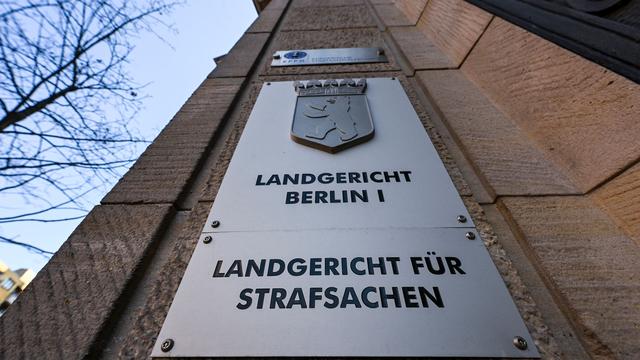
A significant trial has commenced in Germany involving six defendants accused of large-scale money laundering. The proceedings aim to uncover the extent of illicit financial activities and determine the culpability of those involved. The case is expected to shed light on sophisticated methods used to disguise the origins of criminal proceeds. Prosecutors allege that the defendants engaged in complex transactions designed to integrate illegally obtained funds into the legitimate financial system. The trial will examine evidence presented by both the prosecution and the defense. Key aspects will likely include tracing financial flows, identifying beneficiaries, and assessing the legal frameworks that may have been exploited. The outcome could have implications for anti-money laundering regulations and enforcement in Germany and potentially across the European Union. The court will hear testimony and review documentation to establish the facts of the case. The scale of the alleged operation suggests a significant challenge for law enforcement agencies tasked with combating financial crime.
This trial addresses the critical challenge of combating sophisticated money laundering operations, which can undermine financial system integrity and enable further criminal activity. The proceedings will likely scrutinize the effectiveness of current anti-money laundering (AML) regulations and the investigative capabilities of financial intelligence units. Examining the methods employed by the defendants may reveal vulnerabilities in cross-border financial transactions and digital payment systems. The court's decision will not only determine individual accountability but could also inform future policy adjustments aimed at strengthening AML frameworks, enhancing international cooperation, and leveraging technology to detect and prevent illicit financial flows in an increasingly digitalized global economy.
AI-generated to prompt reflection — not editorial opinion, not advice, not a statement of fact. How this works.