Massive PCC Operation Targets Strategic Southern and Midwestern States with 320 Warrants
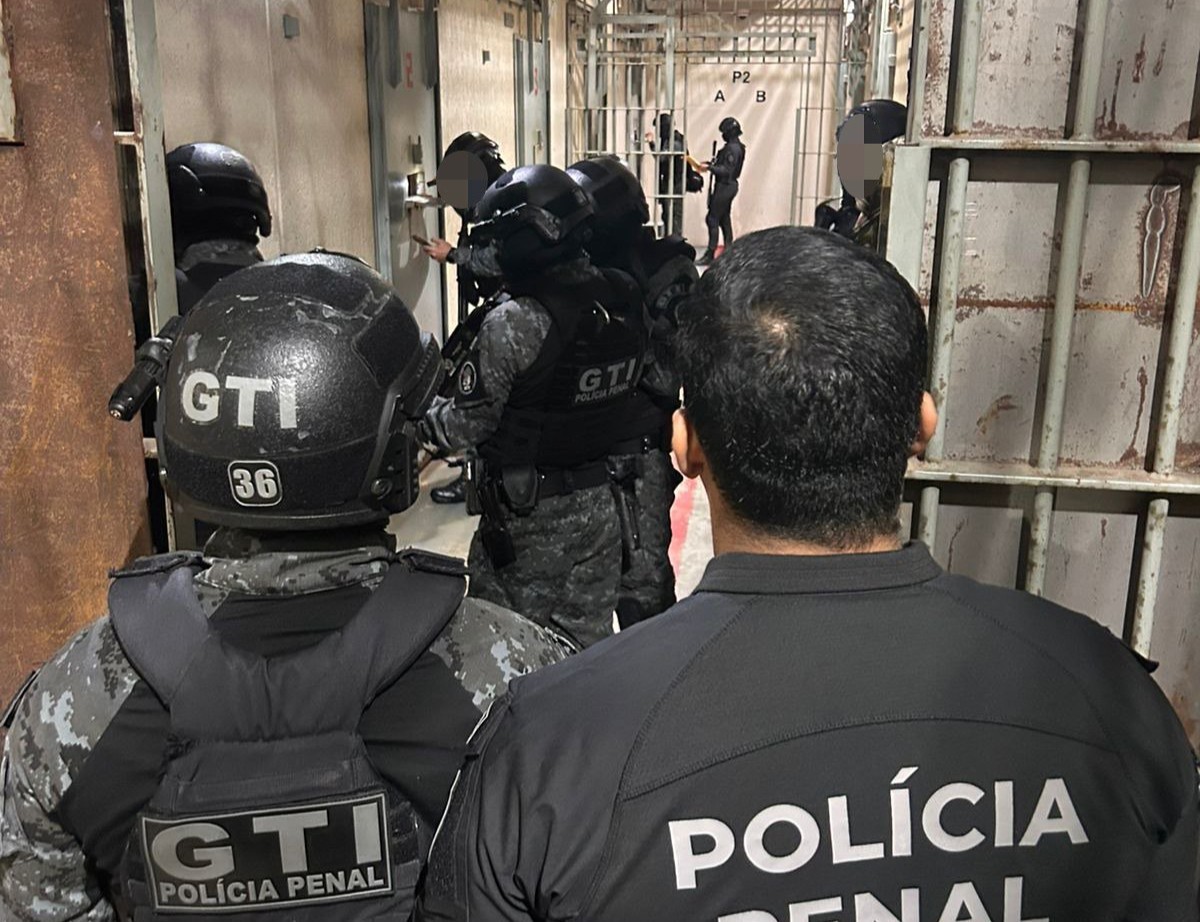
A large-scale, interstate operation named 'Coluna Sul' was launched on Wednesday, November 1st, targeting the criminal faction Primeiro Comando da Capital (PCC). The operation aimed to disrupt the group's control over strategic states in Brazil's South and Midwest regions. A total of 320 judicial orders were executed across six states: Santa Catarina, Rio Grande do Sul, Paraná, São Paulo, Minas Gerais, and Mato Grosso do Sul. The action was coordinated by the Special Action Group to Combat Criminal Organizations (Gaeco) in Santa Catarina and focused on leaders who, despite being incarcerated, continued to direct the faction's activities. In Santa Catarina alone, 71 suspects within prisons had arrest warrants served. Prosecutors noted the use of mobile phones within the prison system by many targets, who were often already incarcerated for various offenses. During the operation, authorities seized weapons, drugs, cell phones, and documents. Overall, 147 individuals were arrested across the participating states, including 111 in Santa Catarina, 6 in Rio Grande do Sul, 10 in Paraná, 16 in São Paulo, 2 in Minas Gerais, and 2 in Mato Grosso do Sul. The operation is a direct follow-up to investigations initiated in 2021 by 'Operação Maserati,' which identified the PCC's efforts to expand its presence in border regions of Santa Catarina and near ports in Santa Catarina and Paraná. Suspects may face charges including criminal organization, drug trafficking, association for drug trafficking, homicide, and illegal firearm possession. In Paraná, one man with an arrest warrant died during a confrontation.
This multi-state law enforcement action against the PCC highlights the persistent challenge of organized crime operating within and beyond correctional facilities. The operation's focus on 'strategic states' suggests a sophisticated understanding by law enforcement of the faction's territorial and logistical ambitions, particularly concerning border regions and port access. The use of phones within prisons indicates ongoing vulnerabilities in correctional security, enabling continued criminal coordination. Future efforts will likely need to address not only external enforcement but also internal prison system reforms and inter-agency data sharing to effectively counter such deeply entrenched organizations. The long-term effectiveness will depend on sustained pressure and the disruption of financial networks, alongside rehabilitation and reintegration programs to reduce recidivism.
AI-generated to prompt reflection — not editorial opinion, not advice, not a statement of fact. How this works.