Massive Wildfires Rage Near Madrid and in France, Forcing Thousands to Evacuate
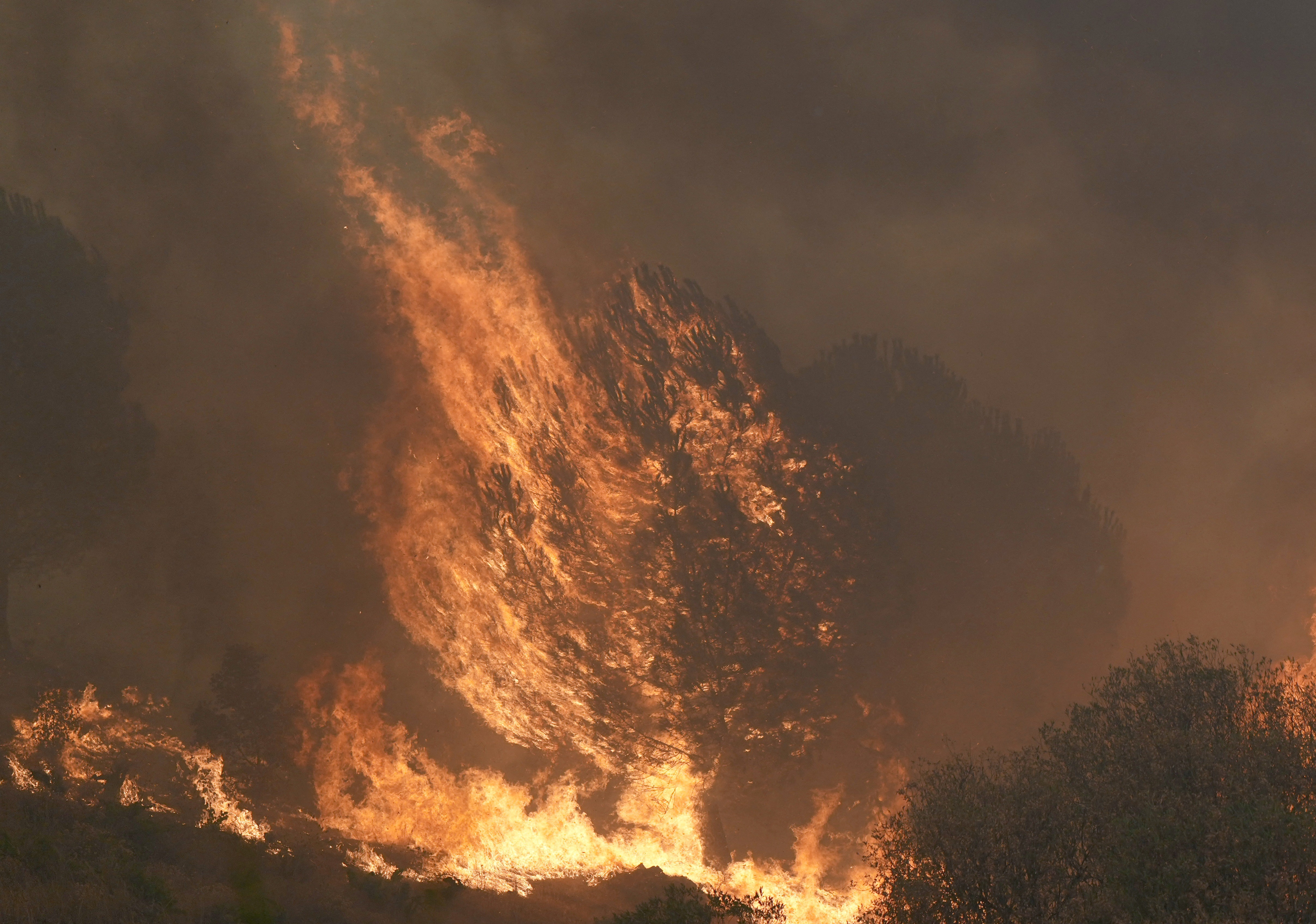
A massive wildfire on the outskirts of Madrid, Spain, has been declared "beyond extinction capacity" by authorities, forcing thousands to flee their homes. The blaze has merged two large fires near the capital into a single incident that had consumed 30 square kilometers by Friday afternoon. The regional president described it as Madrid's worst-ever fire event. Additionally, a separate fire in Ávila, northwest of Madrid, has burned 90 square kilometers, displacing 1,500 people. Spanish authorities have arrested one man and are investigating another in connection with the Ávila fire, suspecting a spark from heavy machinery ignited the blaze on Thursday. The fires are exacerbated by a heatwave with temperatures expected to exceed 39°C. In France, wildfires have also broken out of control, particularly in the southwest. Thousands have been evacuated, with some fleeing by boat from the Cap Ferret peninsula. Over 125 square kilometers have been consumed by a fire near Cap Ferret, destroying 53 homes and a campsite. In total, 92,000 people have been displaced to shelters across both Spain and France due to the widespread fires. Both nations have requested and received assistance from other European Union members, including firefighting aircraft and water-dropping planes from countries like Croatia, Portugal, the Czech Republic, Slovakia, Italy, and Greece.
The concurrent, large-scale wildfires in Spain and France underscore the escalating vulnerability of European regions to extreme weather events, amplified by climate change. The "beyond extinction capacity" declaration highlights the limitations of conventional firefighting resources when faced with rapidly spreading blazes fueled by high temperatures and dry conditions. The reliance on international EU aid for aerial firefighting assets indicates a potential systemic gap in national preparedness for such widespread and intense events. This situation necessitates a strategic re-evaluation of land management practices, early warning systems, and resource allocation to build greater resilience against future fire seasons, considering the projected intensification of heatwaves and droughts in the coming decade.
AI-generated to prompt reflection — not editorial opinion, not advice, not a statement of fact. How this works.