Matariki: Understanding New Zealand's Public Holiday and Star Cluster
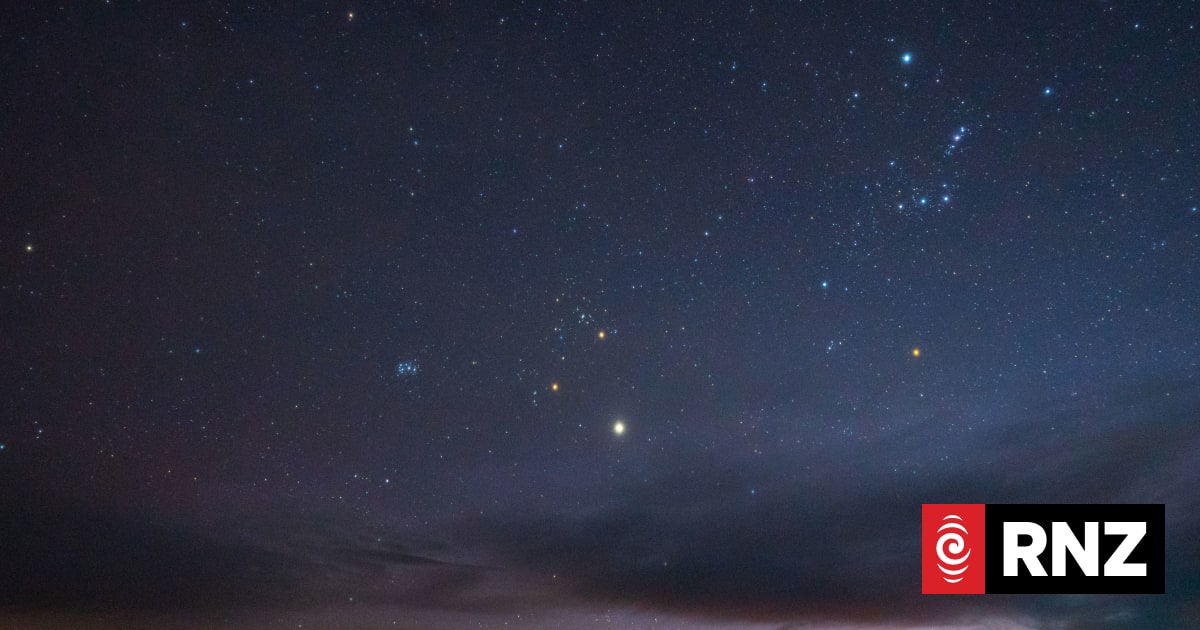
Matariki, a significant cultural event in New Zealand, has been recognized as a public holiday for five years. This observance centers around the Matariki star cluster, also known as the Pleiades. The holiday's timing is determined by the cluster's first visible appearance in the pre-dawn sky after the winter solstice. Its celebration marks the Māori New Year and is a time for reflection, remembrance, and planning for the future. Traditionally, the sighting of Matariki was accompanied by rituals and ceremonies. The holiday encourages people to connect with the land, their ancestors, and their communities. It serves as an opportunity to honor those who have passed away and to welcome the new year with hope and gratitude. The public holiday aims to foster a deeper understanding and appreciation of Māori culture and traditions among all New Zealanders. Many events and activities are organized across the country to commemorate Matariki, often involving feasts, storytelling, and cultural performances. Finding the star cluster involves looking towards the northeastern horizon just before sunrise, especially during the late June and early July period.
The establishment of Matariki as a public holiday represents a significant step in the official recognition and integration of Māori culture within New Zealand's national identity. This institutionalization provides a framework for cultural transmission and public education, potentially fostering greater social cohesion. However, the long-term impact will depend on how the holiday evolves beyond its initial five years, balancing commercialization with authentic cultural practice and ensuring continued engagement with the underlying Māori values and traditions. The challenge lies in maintaining the spiritual and ancestral significance of Matariki while making it accessible and meaningful to a diverse population in the context of a modern, globalized society.
AI-generated to prompt reflection — not editorial opinion, not advice, not a statement of fact. How this works.