Matcha Overload: Understanding the Risks and Recommended Daily Intake
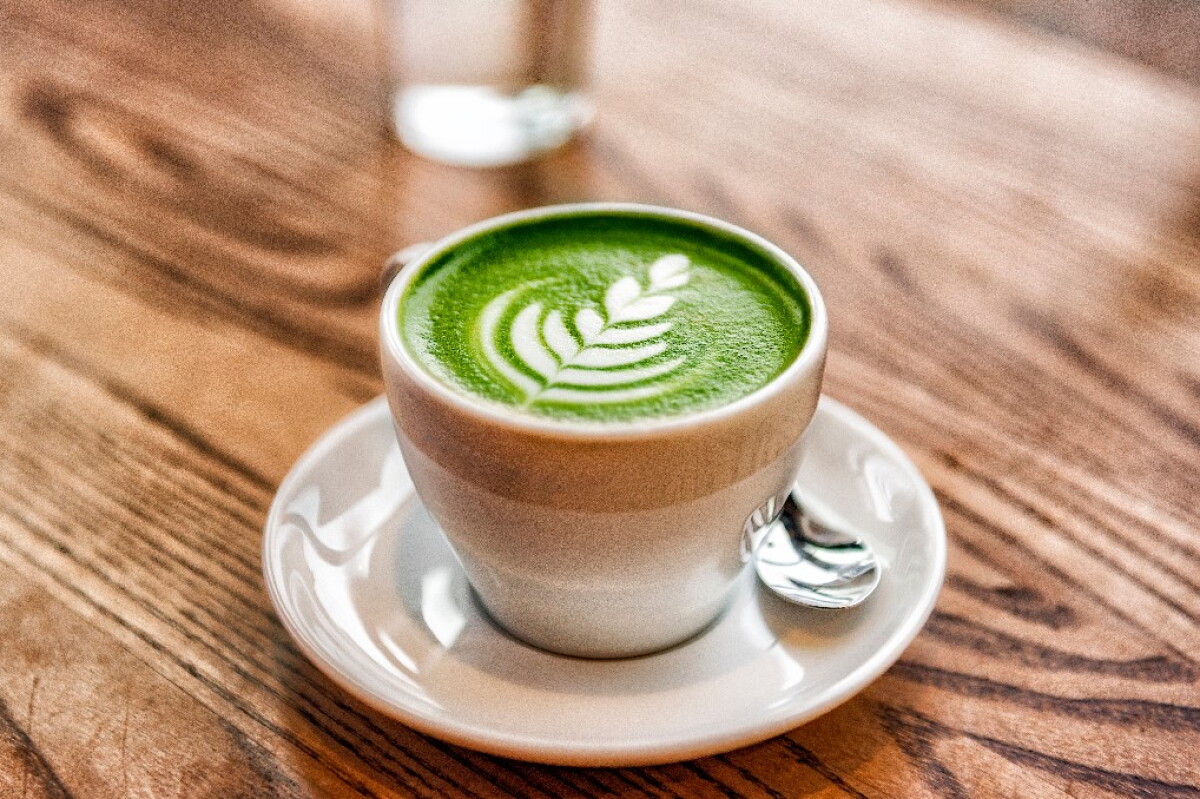
While matcha is celebrated for its health benefits, excessive consumption can lead to adverse effects. The popular green tea powder, rich in antioxidants and L-theanine, may cause side effects if not consumed in moderation. Potential consequences of overindulging include digestive issues such as stomach upset and diarrhea, due to its high fiber and caffeine content. Caffeine overconsumption can also manifest as insomnia, anxiety, jitters, and increased heart rate. Some individuals might experience headaches or dizziness. Furthermore, matcha contains compounds that can interfere with iron absorption, potentially leading to deficiencies in susceptible individuals, especially if consumed with meals. The recommended daily intake for matcha generally ranges from 1 to 2 teaspoons (about 2-4 grams) of powder, which translates to roughly 1-2 cups of prepared tea. It is advisable to start with a smaller dose to assess individual tolerance. Pregnant and breastfeeding women, as well as individuals with pre-existing medical conditions like heart problems or anxiety disorders, should consult a healthcare professional before incorporating matcha into their diet. Moderation is key to enjoying matcha's benefits without experiencing its potential drawbacks.
The widespread popularity of functional beverages like matcha highlights a growing consumer interest in natural health aids. However, the narrative around such products often emphasizes benefits while downplaying potential risks associated with overconsumption. This dynamic creates an information asymmetry where consumers may not fully grasp the trade-offs involved. From a public health perspective, clear, accessible guidelines on safe consumption levels are crucial, especially as these products move from niche markets to mainstream availability. The challenge lies in balancing the promotion of healthy lifestyles with the responsibility to inform consumers about the physiological limits of even beneficial substances. Future market trends may see a greater emphasis on personalized dosage recommendations, informed by individual health profiles and genetic predispositions, moving beyond one-size-fits-all advice.
AI-generated to prompt reflection — not editorial opinion, not advice, not a statement of fact. How this works.