Maternity Security: Protocols to Protect Newborns and Family Roles
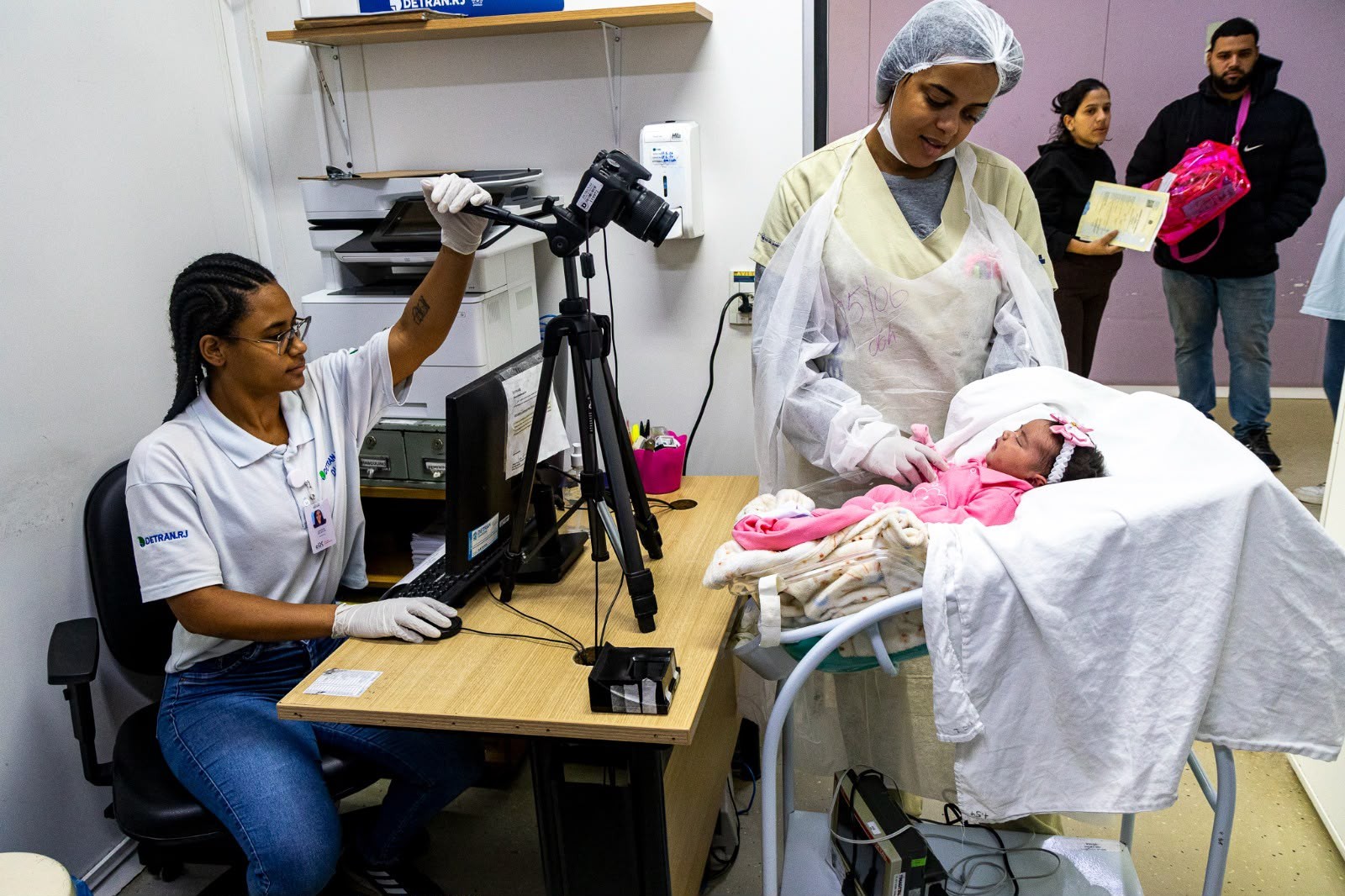
A recent attempted kidnapping of a newborn at the Dona Evangelina Rosa Maternity Hospital in Teresina, Piauí, on June 6 has highlighted the critical need for robust security protocols in maternity wards. The incident led to the arrest of an nursing technician, Auricélia Rocha, and prompted discussions about the measures in place to protect infants and the role families can play. Experts emphasize that no single security measure is foolproof; instead, a combination of identification, access control, clinical protocols, staff training, family involvement, and rapid response is essential.
The Brazilian Ministry of Health, through its National Policy for Patient Quality and Safety and the Rede Alyne, recommends key measures. Foremost among these is the secure identification of mother and baby pairs using bracelets, which must be verified before procedures or care transfers, with family participation encouraged. Maintaining mother and baby in joint lodging whenever clinically feasible is also advised, as it strengthens bonding and reduces infant movement within the hospital. The law guarantees a companion for the mother during childbirth and postpartum. Each maternity ward is responsible for defining its own access control policies based on its structure and risk assessment, with incidents to be registered and analyzed by Patient Safety Centers.
Family involvement is viewed as an additional layer of protection, not a transfer of institutional responsibility. Families are advised to verify bracelets, not hand over infants to unidentified individuals, inquire about professionals' roles and reasons for moving a baby, accompany newborns when possible, and report any unusual situations immediately. National identification protocols mandate at least two identifiers for all patients, with bracelet information including the mother's name and medical record number. Hospitals must have procedures for lost or illegible bracelets and conduct continuous monitoring. Organizations like Febrasgo and the National Accreditation Organization (ONA) stress the importance of multiple security barriers, including immediate infant identification, tamper-proof bracelets, strict access control, visual professional identification, and rapid response protocols. Training should extend to all staff, including support and outsourced personnel, with periodic simulations recommended. Newborns are only to leave joint lodging for necessary exams or procedures, with prior notification and, ideally, accompaniment by a parent or guardian, and all movements must be logged.
The attempted abduction underscores the systemic challenge of balancing open access in healthcare settings with the imperative for infant security. While technological solutions like electronic monitoring and robust identification systems are valuable, their effectiveness hinges on consistent human adherence to protocols and comprehensive staff training across all levels. The emphasis on family participation, while beneficial, must be carefully managed to avoid placing undue burden or responsibility on parents during a vulnerable period. Future security frameworks should integrate advanced AI-driven anomaly detection with clear, universally applied procedural safeguards, ensuring that security is a multi-layered, continuously audited system rather than a collection of discrete measures. This approach can proactively identify deviations from normal operations, thereby mitigating risks before incidents occur and fostering a more resilient healthcare environment.
AI-generated to prompt reflection — not editorial opinion, not advice, not a statement of fact. How this works.