Math 'Golden Rule' Discovered in Abstract Art, Distinguishing Human from AI
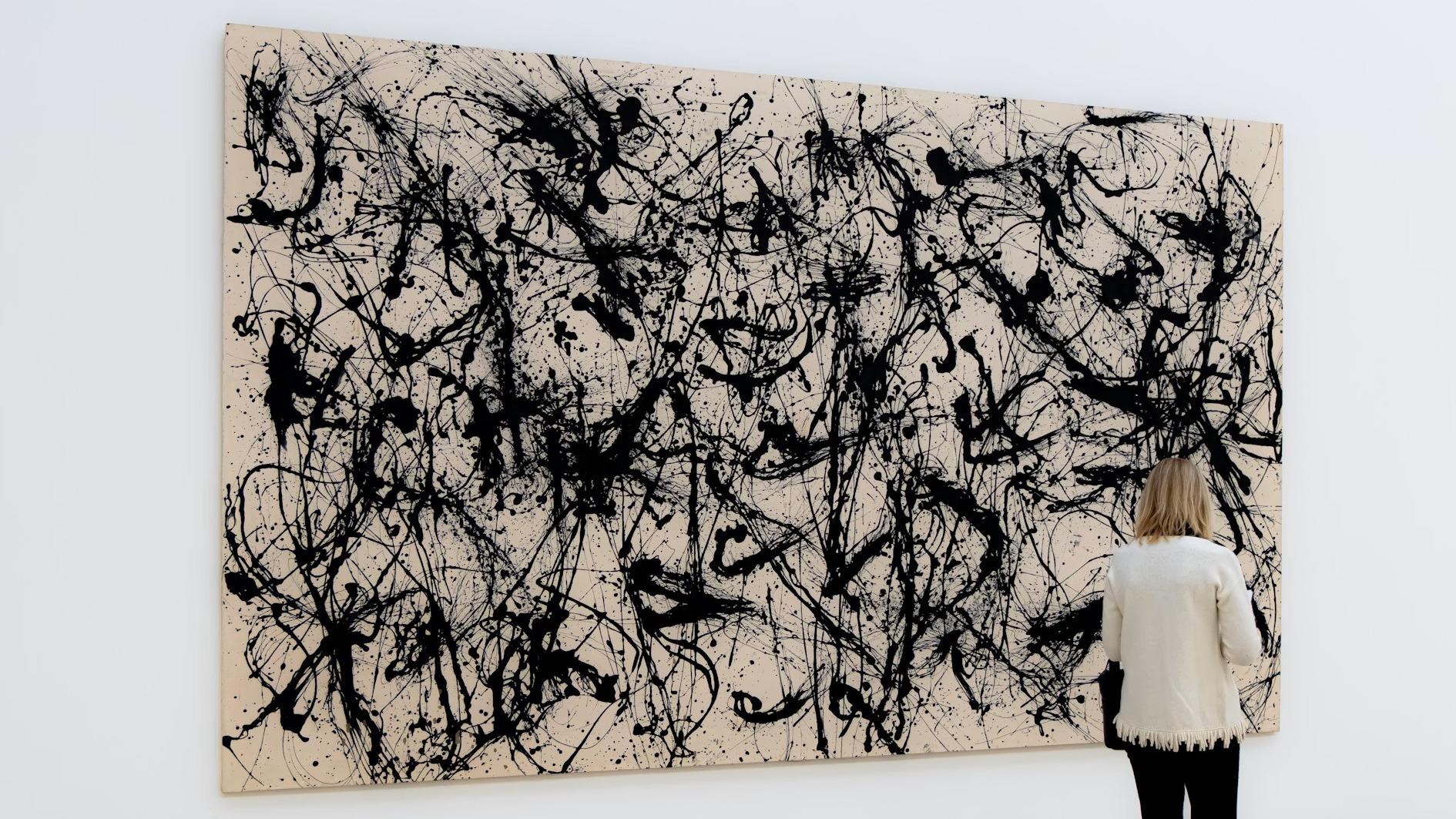
Researchers have identified a hidden mathematical 'golden rule' within abstract artworks, which helps differentiate between pieces created by human artists and those generated by artificial intelligence. The study involved comparing canvases produced by human artists with similar styles of work created by AI. While notable differences were observed, the researchers also found that artworks produced by various human artists exhibited surprisingly similar, yet concealed, mathematical properties.
This discovery suggests that underlying mathematical structures may be characteristic of human artistic creation, even across different artists and styles. The presence of these hidden rules could serve as a marker for human authorship in the evolving landscape of digital and AI-generated art. Further investigation into these mathematical properties may offer new insights into the nature of creativity and the distinctiveness of human artistic expression.
The identification of a distinct mathematical signature in human-created abstract art, as opposed to AI-generated works, highlights a potential frontier in distinguishing authentic human expression from algorithmic output. This finding could have significant implications for intellectual property, art authentication, and the economics of the art market. As AI capabilities advance, understanding these subtle, inherent mathematical patterns may become crucial for preserving the value and recognition of human creativity. The research prompts consideration of how AI models learn and replicate artistic styles, and whether future AI might be trained to mimic these newly discovered human-specific mathematical rules, blurring the lines further.
AI-generated to prompt reflection — not editorial opinion, not advice, not a statement of fact. How this works.