Mathieu Kérékou's Return: The Chameleon's Democratic Comeback in Benin
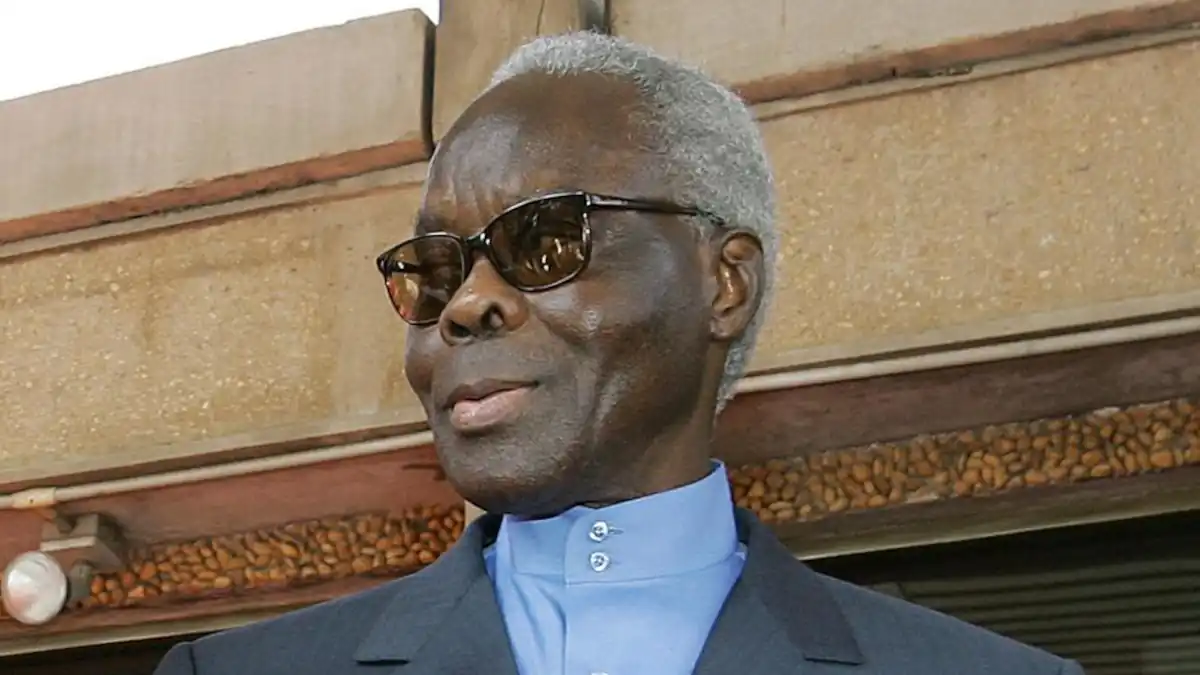
Mathieu Kérékou's political journey in Benin is a remarkable and complex chapter in the nation's history. Following nearly nineteen years of authoritarian rule rooted in Marxist-Leninist ideology, Kérékou experienced a significant electoral defeat in the 1991 presidential election. However, the former military general masterfully engineered a surprising return to power in 1996. Known for his adaptability and often referred to as "The Chameleon," Kérékou's transition from a hardline leader to a figure embraced by democratic processes presents a unique case study. His ability to navigate and ultimately thrive within Benin's evolving political landscape highlights a significant aspect of post-colonial African political transitions. The article suggests his comeback was a strategic maneuver, leveraging democratic frameworks after his earlier authoritarian tenure.
Mathieu Kérékou's political trajectory in Benin offers a compelling study in strategic adaptation within post-colonial governance. The shift from Marxist-Leninist authoritarianism to a democratic electoral victory illustrates the complex interplay of ideology, public perception, and political maneuvering. This case prompts reflection on the durability of leadership personalities and their capacity to redefine their public image across different political systems. Understanding such transitions is crucial for analyzing the evolution of democratic institutions in Africa, particularly how established figures can leverage existing political structures to regain influence, potentially shaping the long-term trajectory of national development and governance.
AI-generated to prompt reflection — not editorial opinion, not advice, not a statement of fact. How this works.