Mati Fire: Eight Years On, Survivors Still Feel 'Half a Person'
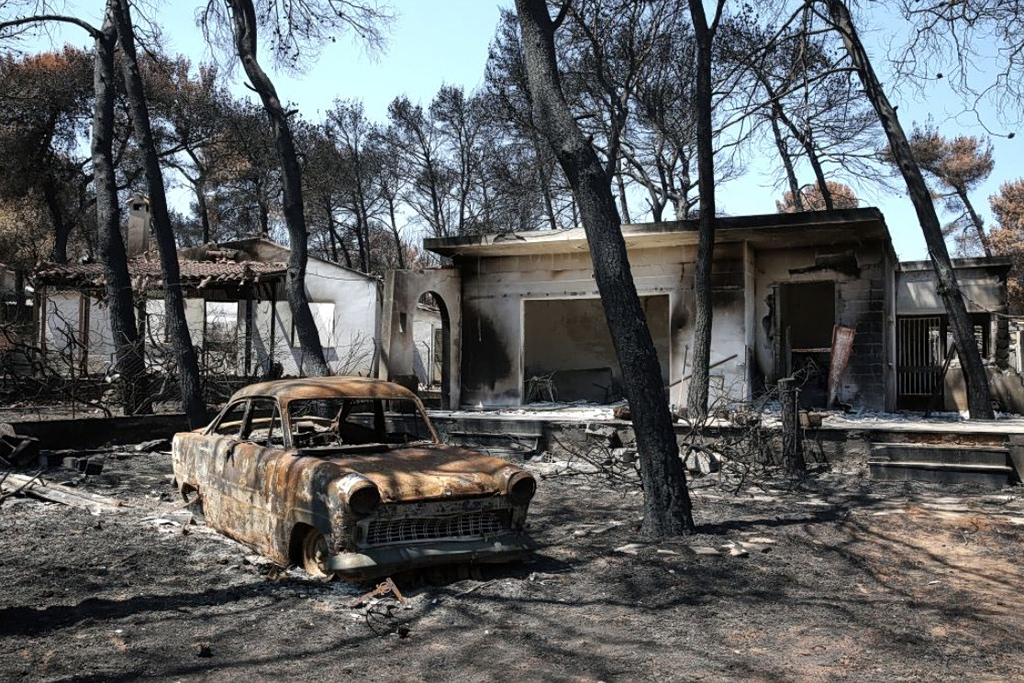
Eight years after the devastating Mati wildfires, survivors and victims' families continue to grapple with the tragedy's aftermath. The fires, which claimed 102 lives and destroyed over 2,500 homes in July 2018, left many feeling incomplete and traumatized. The president of the Association of Relatives of the Dead and Injured, Kalli Anagnostou, spoke to "TA NEA" about the lingering effects and the ongoing search for accountability. She highlighted unresolved aspects of the tragedy and allegations of willful ignorance on the part of authorities. The community still mourns the loss and struggles with the physical and psychological scars left by the disaster. The event remains a stark reminder of the need for effective disaster preparedness and response. Families continue to seek justice and closure, emphasizing the long-term impact on their lives. The collective trauma underscores the importance of supporting survivors and addressing systemic failures that contributed to the scale of the disaster.
The Mati wildfires serve as a critical case study in disaster management and governmental response. Eight years later, the persistent sense of incompleteness among survivors points to the profound and enduring psychological impact of large-scale tragedies, extending far beyond immediate physical recovery. Allegations of official negligence or 'willful ignorance' highlight systemic issues in risk assessment, urban planning, and emergency services coordination, particularly in areas prone to natural disasters. The ongoing search for accountability suggests a societal demand for transparency and justice, underscoring the importance of robust governance structures that ensure preparedness and effective crisis management. Looking ahead, such events necessitate a re-evaluation of infrastructure resilience and community safety protocols, especially in the face of escalating climate-related risks, to prevent recurrence and mitigate future loss.
AI-generated to prompt reflection — not editorial opinion, not advice, not a statement of fact. How this works.