Mato Grosso Cattle Farming Nearly Doubles Output Per Hectare in 15 Years Through Technology
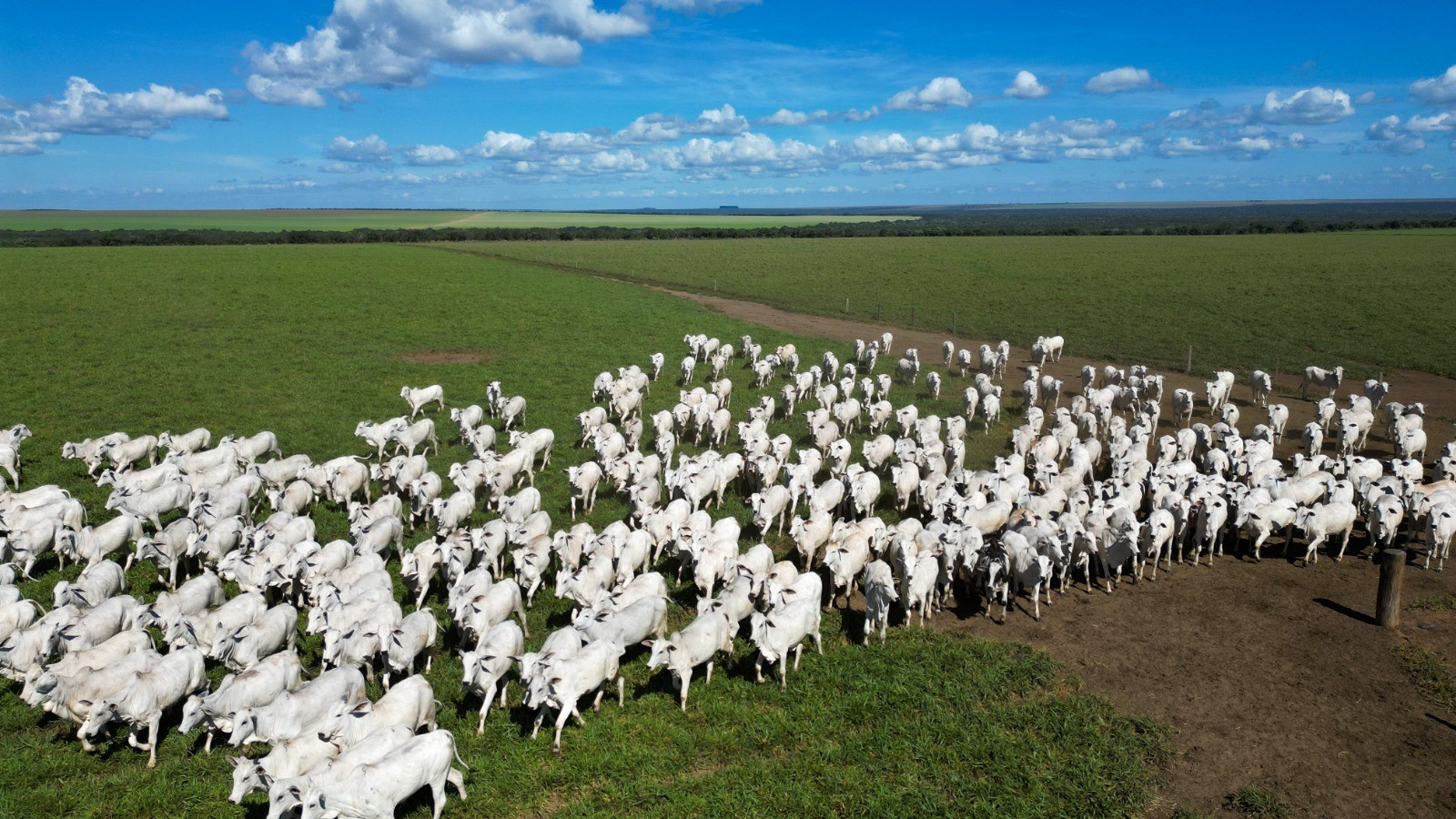
Cattle farming productivity in Mato Grosso, Brazil, has seen a significant surge, increasing by 90.3% between 2010 and 2025. This advancement means the state's production rose from 60.66 to 115.42 kilograms of carcass per hectare over this 15-year period. These gains are attributed to substantial investments in improved genetics, pasture management, animal nutrition, and overall production systems. The productivity metric, measuring meat output per hectare of pasture, is crucial for assessing efficiency and reducing the need for new land development, thereby boosting farm profitability.
Mato Grosso's performance significantly outpaced the national average, which saw a 49.8% increase in productivity during the same timeframe, rising from 51.6 to 77.3 kilograms of carcass per hectare. This remarkable growth has positioned Mato Grosso as the fifth most productive state in Brazil, following São Paulo, Santa Catarina, Paraná, and Rondônia. Cattle ranchers like Alexandre El Hage and Marco Túlio Duarte Soares highlight consistent evolution in genetic improvement and nutrition as key drivers. Soares notes a transformation in animal quality, with a reduction in slaughter age and improved carcass finish, evidenced by an increase in animals under 24 months slaughtered from 13% to 45%. This technological integration ensures consumers receive younger, higher-quality beef, reinforcing the sector's commitment to efficiency and competitiveness in both domestic and international markets.
The data from Mato Grosso illustrates a compelling case of agricultural intensification driven by technological adoption. By focusing on genetic improvements, enhanced nutrition, and refined pasture management, producers have significantly boosted output per unit of land. This approach addresses potential land-use conflicts and enhances economic viability. The trend suggests a broader industry shift towards efficiency, where innovation is paramount for competitiveness. Looking ahead, the challenge lies in sustaining this momentum while ensuring environmental stewardship and adapting to evolving market demands and climate realities. The success in Mato Grosso offers a model for other regions seeking to increase agricultural productivity sustainably.
AI-generated to prompt reflection — not editorial opinion, not advice, not a statement of fact. How this works.