Mato Grosso do Sul Bans Informal Sales in Public Schools
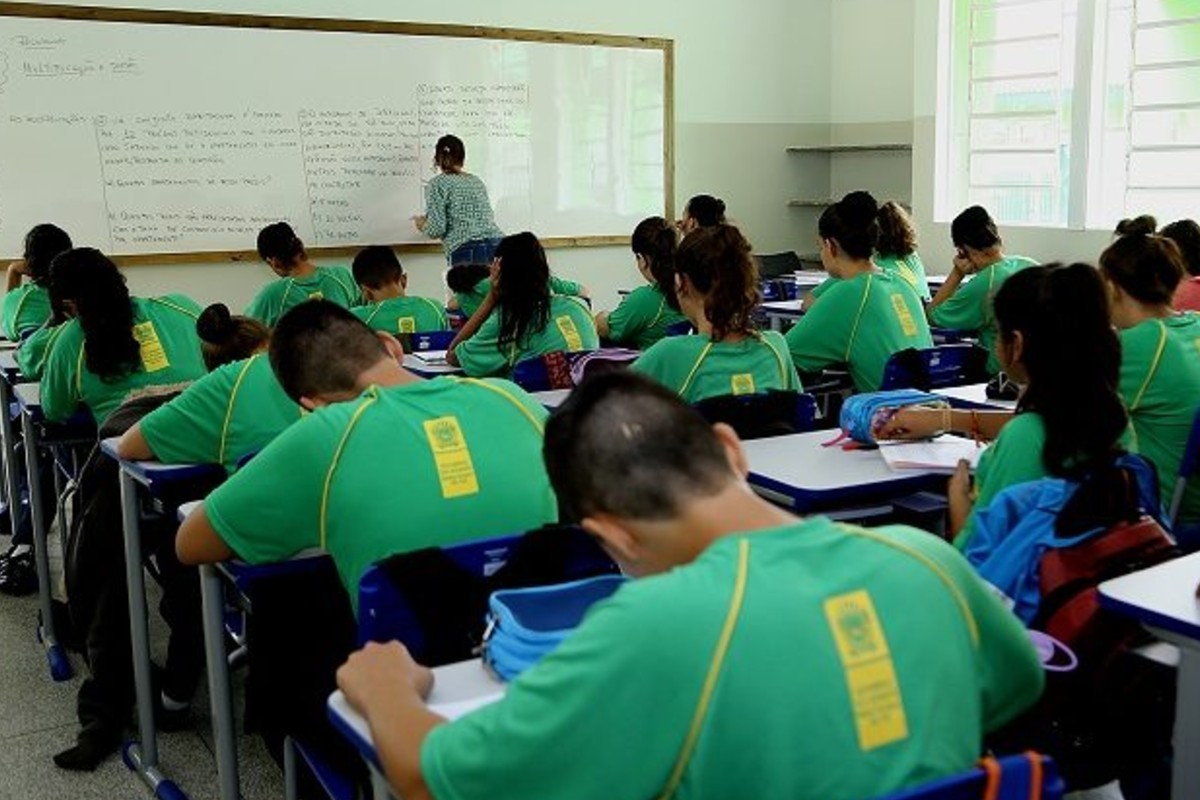
The Secretariat of State for Education of Mato Grosso do Sul (SED) has officially prohibited all forms of informal commerce within state public schools, learning centers, and administrative buildings. This new regulation, published in the Official State Gazette on Wednesday, May 29th, also forbids state employees from selling products or services to colleagues during work hours or on school premises. These updated rules replace previous norms established in 1999 and 2007. The ban specifically targets external vendors such as street hawkers, salespeople, promoters, demonstrators, commercial agents, collectors, and brokers. Exceptions are granted only for services that have been pre-approved and deemed to be in the best interest of the Education Secretariat itself. For internal staff, engaging in any kind of sales activity during their shifts or within the institution's facilities is now considered a disciplinary offense under State Law No. 1.102/1990. Employees found in violation may face an Administrative Disciplinary Process (PAD). To enforce these measures, school principals are mandated to implement access control mechanisms, including visitor identification and entry logs. Individuals not affiliated with authorized educational, administrative, or maintenance activities will be denied entry. The SED has also directed that the resolution be prominently displayed in all schools and administrative buildings to ensure the entire school community is aware of the new regulations.
This policy shift by the Mato Grosso do Sul Secretariat of Education aims to streamline the school environment by eliminating informal commercial activities. By prohibiting both external vendors and internal employee sales, the SED seeks to enhance focus on educational objectives and potentially address concerns related to security, fairness, and the integrity of the learning space. The introduction of access control mechanisms suggests a broader strategy to manage campus access more rigorously. Future considerations might include evaluating the impact of these restrictions on school-community interactions and exploring alternative, authorized channels for essential services or fundraising activities that could benefit the educational institutions without disrupting the primary mission.
AI-generated to prompt reflection — not editorial opinion, not advice, not a statement of fact. How this works.