Mato Grosso do Sul Beef Exports Unscathed by Trump's New US Tariffs
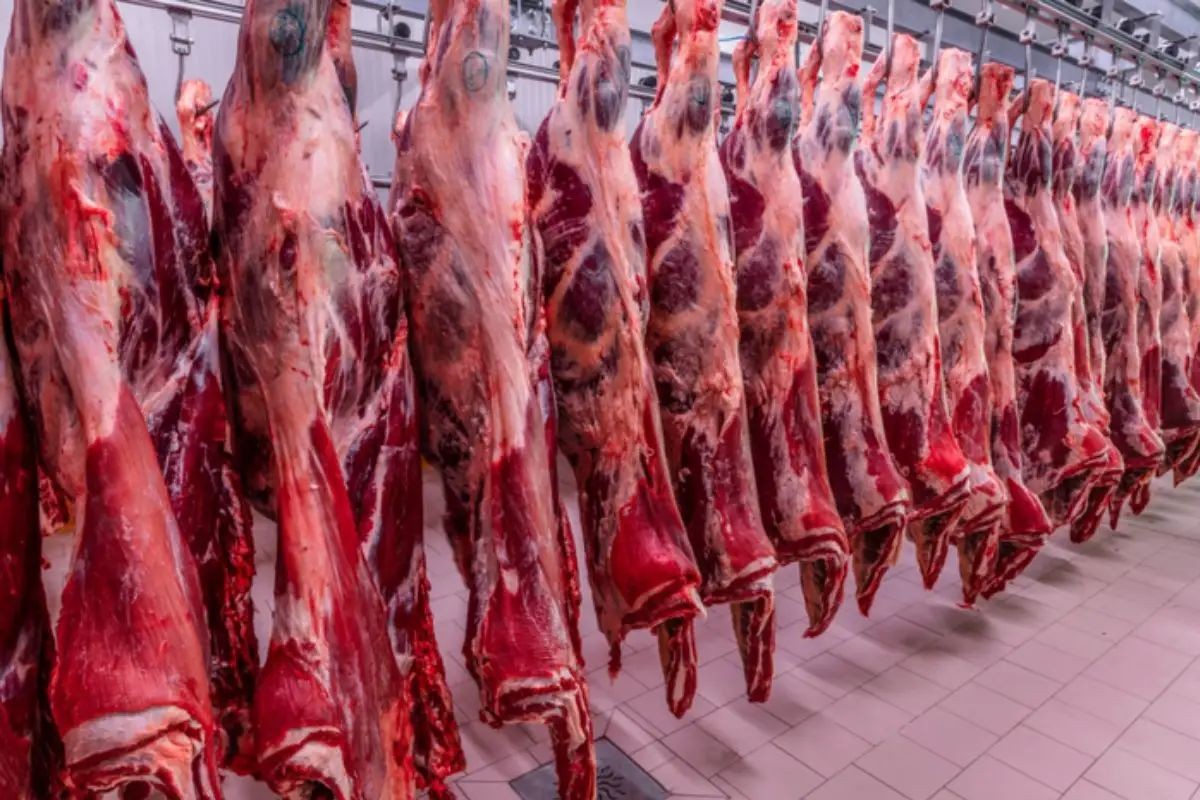
Mato Grosso do Sul's significant beef exports to the United States are unlikely to be affected by the new 25% tariffs imposed by US President Donald Trump, which took effect on Wednesday, September 22. The state's agricultural federation, Famasul, expressed relief, noting that beef, a key export product, was excluded from the new tariffs. Other agricultural products, including tilapia, some fish, lumber, hides, coffee, oranges, orange juice, cocoa, spices, instant coffee, and organic honey, also remain exempt from the charges. Famasul president Marcelo Bertoni stated that the tariffs will have minimal impact on the state, with only some wood products facing taxation. The US accounts for approximately 5% of Mato Grosso do Sul's agribusiness exports, with China being the primary destination, absorbing 52.2% of the state's external sales. While initial concerns existed, Famasul indicated that any potential impact from the US tariffs was mitigated by redirecting some sales to Mexico. The federation emphasized the need to monitor future US trade policy shifts. In a separate development, four beef processing plants in Mato Grosso do Sul had previously suspended production for the US market in 2025 to prevent stock buildup. In 2025, boneless, frozen beef was the leading export from the state to the US, representing 45.2% of the total and valued at over $142 million. In 2024, this product ranked second in exports to the US, accounting for 27.8% and approximately $78 million.
The exclusion of key agricultural commodities like beef from the US tariffs, while impacting other sectors, suggests a targeted approach by the US administration, potentially aimed at minimizing disruption to its own consumers or specific trade relationships. For Mato Grosso do Sul, the reliance on China as a primary export market, rather than the US, provides a degree of insulation from US trade policy shifts. However, the historical precedent of production suspension by frigorificos indicates the inherent volatility of international agricultural markets and the significant influence of US import policies, even when direct tariffs are avoided. Future trade dynamics will likely depend on the evolving geopolitical landscape and the US's broader trade strategy, which could present new challenges or opportunities for Brazilian exporters.
AI-generated to prompt reflection — not editorial opinion, not advice, not a statement of fact. How this works.