Mato Grosso do Sul braces for thunderstorms as cold front ends dry spell
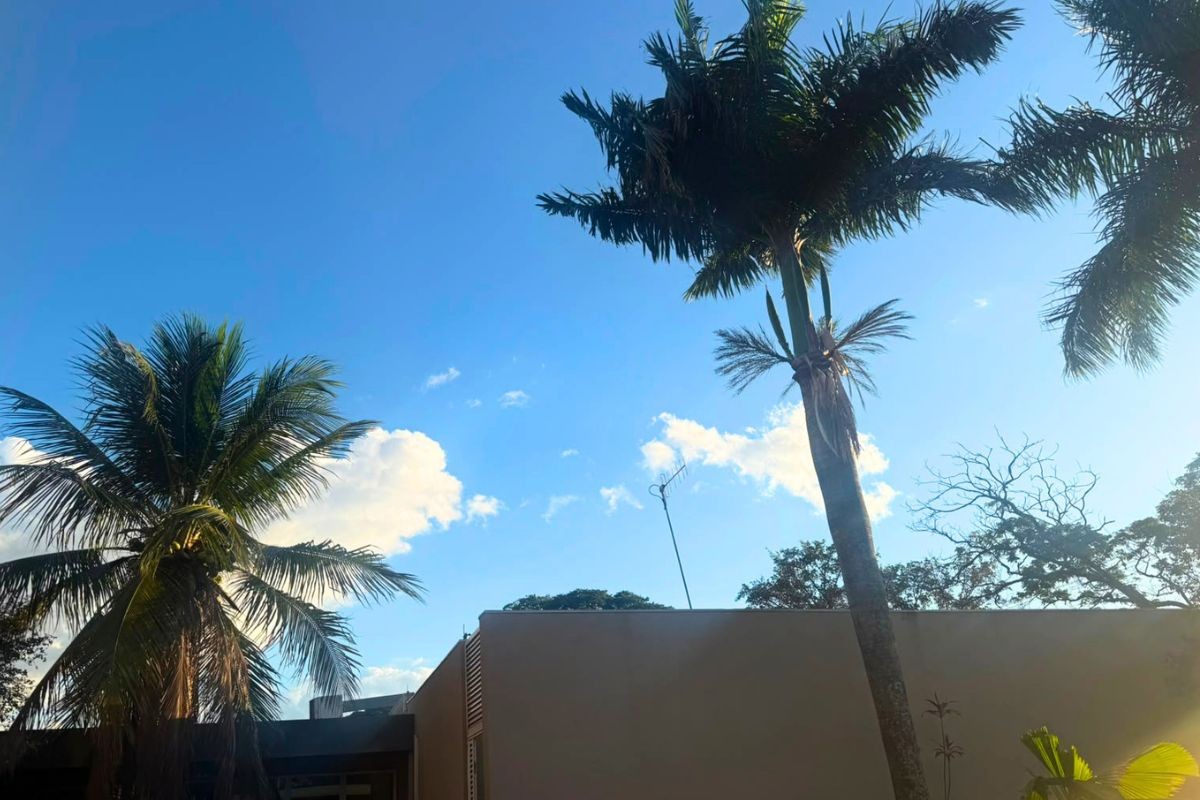
Mato Grosso do Sul is set to experience a significant weather shift starting Wednesday, February 22nd, as a cold front moves in, ending a period of warm, dry conditions. This system is expected to bring thunderstorms and heavy rain, particularly to the southern half of the state. Prior to this change, Monday, February 20th, will see continued sunny and dry weather across the entire state, with high temperatures and low humidity levels. Isolated, brief showers are possible in Corumbá and Porto Murtinho on Monday and Tuesday due to moisture from a system affecting southern Brazil. Strong winds are also anticipated, with gusts ranging from 50 km/h to 70 km/h in the western and southern regions, and 40 km/h to 60 km/h in the central areas, including Campo Grande. The National Institute of Meteorology (Inmet) has issued a potential danger alert for strong winds valid until the end of Monday. In Campo Grande, Monday's forecast includes sun with few clouds, dry afternoons, and temperatures between 23°C and 30°C. High temperatures will reach up to 33°C in cities like Corumbá and Porto Murtinho, while others such as Três Lagoas will see highs of 32°C. Minimum temperatures will generally range from 19°C to 22°C, though Caracol experienced a warm start to Monday with temperatures already at 26°C early in the morning.
The forecast highlights the typical meteorological transition in subtropical regions, where seasonal shifts can rapidly alter weather patterns. The impending cold front signifies a disruption of the prevailing 'veranico' or Indian summer conditions, driven by atmospheric pressure systems and moisture advection. This event underscores the importance of localized weather forecasting for public safety and economic planning, particularly concerning agricultural activities and infrastructure resilience against potential storm damage. As climate systems evolve, understanding these transitional periods becomes crucial for adapting to potentially more extreme weather events, necessitating robust early warning systems and community preparedness strategies.
AI-generated to prompt reflection — not editorial opinion, not advice, not a statement of fact. How this works.