Mato Grosso do Sul Court Orders End to Holding Prisoners in Civil Police Stations
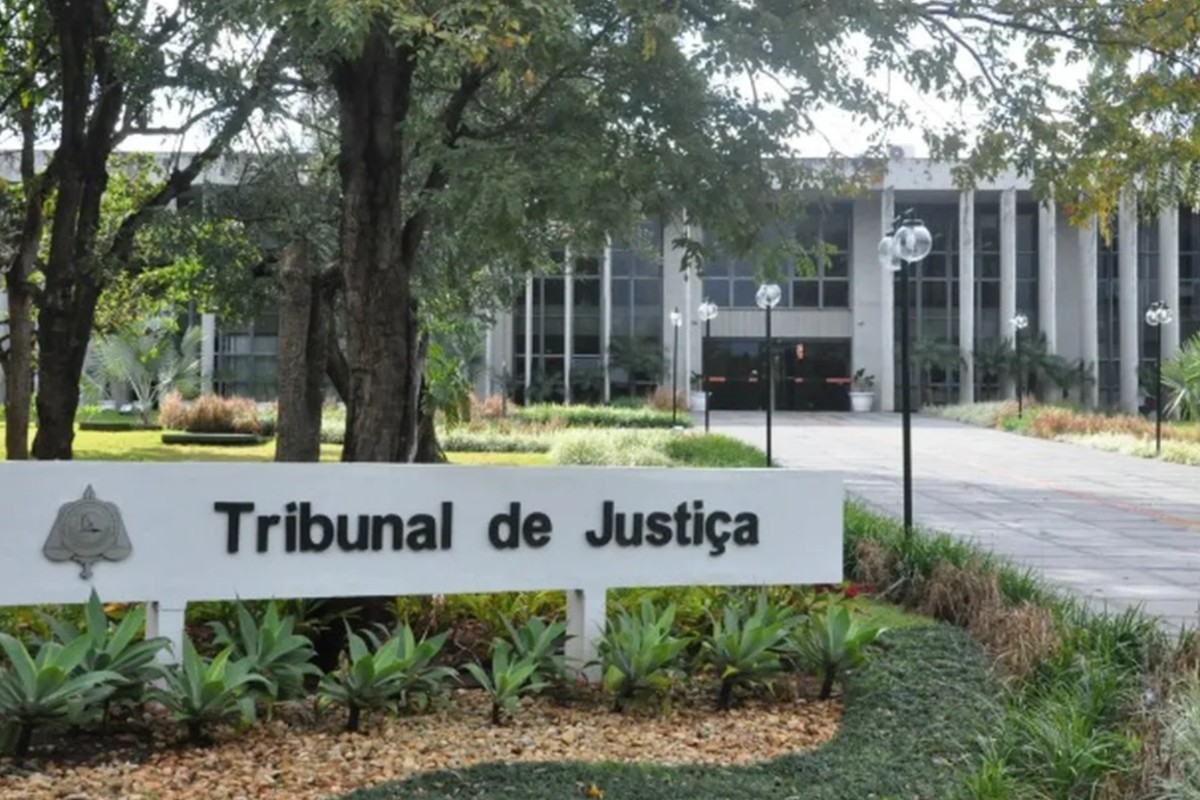
The 5th Civil Chamber of the Court of Justice of Mato Grosso do Sul (TJMS) has unanimously upheld a decision that prohibits the Civil Police from holding prisoners and juvenile offenders in state police stations. This ruling follows a lawsuit filed by the Union of Civil Police Officers of Mato Grosso do Sul (Sinpol/MS), which initially secured a favorable decision in the 1st Court of Diffuse, Collective, and Homogeneous Individual Rights in Campo Grande. The Mato Grosso do Sul State Government appealed this decision, but their appeal was rejected by the TJMS. Federal Law nº 14.735/2023 stipulates that, as a general rule, prisoners and juvenile offenders should not be held in Civil Police facilities. The court affirmed that the Civil Police's role is to investigate crimes and act as judicial police, not to manage inmates. Custody responsibilities lie with the prison system and the Penal Police. Holding prisoners in police stations will now be permitted only in exceptional circumstances, strictly when essential for police investigations. Consequently, police stations will cease to be long-term holding facilities for inmates, who must be transferred to the appropriate prison system or responsible units promptly. The Civil Police can only detain individuals for the time strictly necessary in exceptional cases. The State Government has 180 days to restructure its public security system to comply with this order. Further appeals to higher courts are still possible. Sinpol/MS stated they will monitor the implementation of these changes, viewing the decision as a significant step in valuing the Civil Police and respecting their legal duties, thereby alleviating a long-standing burden on the profession.
This judicial decision addresses a systemic issue of police resource misallocation, redirecting the Civil Police's focus towards its investigative mandate rather than custodial duties. By mandating the transfer of prisoners to dedicated correctional facilities within 180 days, the ruling aims to improve operational efficiency and potentially reduce overcrowding in police stations, which can impede investigative work. The court's reliance on federal law clarifies jurisdictional responsibilities between investigative and penal police forces. This shift could foster greater accountability within the penal system and allow police departments to concentrate on crime resolution, potentially impacting public safety outcomes in the medium term. The state government's compliance will be a key indicator of its commitment to reforming public security infrastructure and inter-agency cooperation.
AI-generated to prompt reflection — not editorial opinion, not advice, not a statement of fact. How this works.