Mato Grosso do Sul Essay Contest Offers Full Scholarships to Public School Students
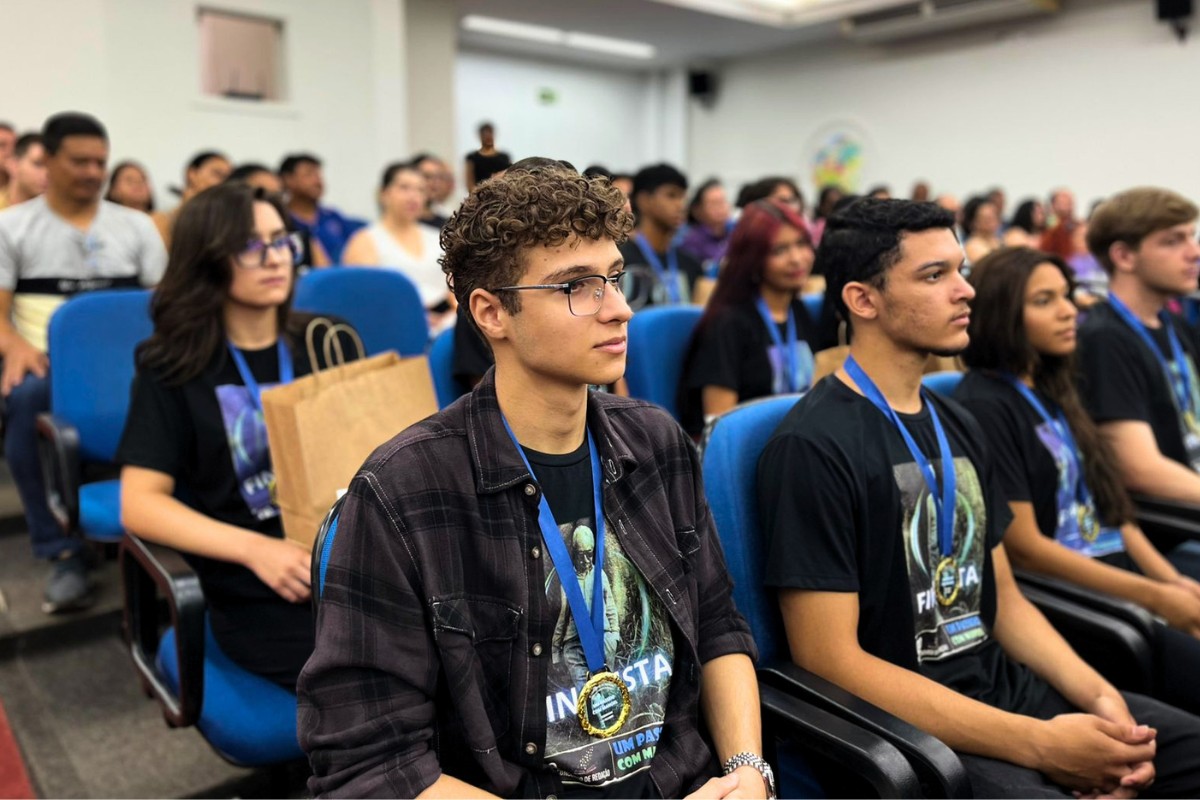
The 10th edition of the "Um Passeio com Manoel" essay contest, organized by the Manoel de Barros Foundation, is now open for registration to 3rd-year public high school students in Mato Grosso do Sul. This competition aims to promote reading, writing, and knowledge of the works of the local poet Manoel de Barros, while also expanding access to higher education. Participants are required to write a dissertation-argumentative essay on the theme "Challenges for the valorization of people in situations of social invisibility in Brazil," incorporating elements from Barros' poems, particularly "O apanhador de desperdícios" and "Matéria de Poesia."
Previously limited to schools in Campo Grande and Dourados, this year's contest is open to public institutions across all municipalities in Mato Grosso do Sul. Students can register via email at [email protected]. The essay submission period is from August 3rd to September 4th. A total of 125 students will advance to a second test on September 25th in Campo Grande, after which 40 semifinalists from the Campo Grande and Dourados regions will be selected. From these, ten finalists will emerge, leading to the top three winners.
The top three winners will receive scholarships for undergraduate courses at Universidade Anhanguera-Uniderp in Campo Grande or Faculdade Anhanguera de Dourados (FAD). The first-place winner receives a 100% scholarship, second place gets 70%, and third place receives 50%. All three will also be awarded a Kindle e-reader. The teacher of the first-place winner will receive a full scholarship for a distance-learning postgraduate course, along with accommodation in Bonito. The available courses vary by location, with options in fields such as Agronomy, Law, Nursing, Psychology, Administration, and Engineering.
This essay contest serves as a valuable mechanism for fostering educational access and cultural engagement within Mato Grosso do Sul. By linking literary appreciation with tangible academic opportunities, the initiative incentivizes critical thinking and writing skills among public school students. The expansion of the contest's reach to all municipalities signifies a positive step towards broader equity in educational outreach. Future iterations could explore digital participation models to further democratize access and potentially reduce logistical barriers for both students and the organizing foundation. Evaluating the long-term impact on participants' academic trajectories and the cultivation of a literary culture would provide further insights into the program's systemic effectiveness.
AI-generated to prompt reflection — not editorial opinion, not advice, not a statement of fact. How this works.