Mato Grosso do Sul expands sewage access for 30,000 residents in one month
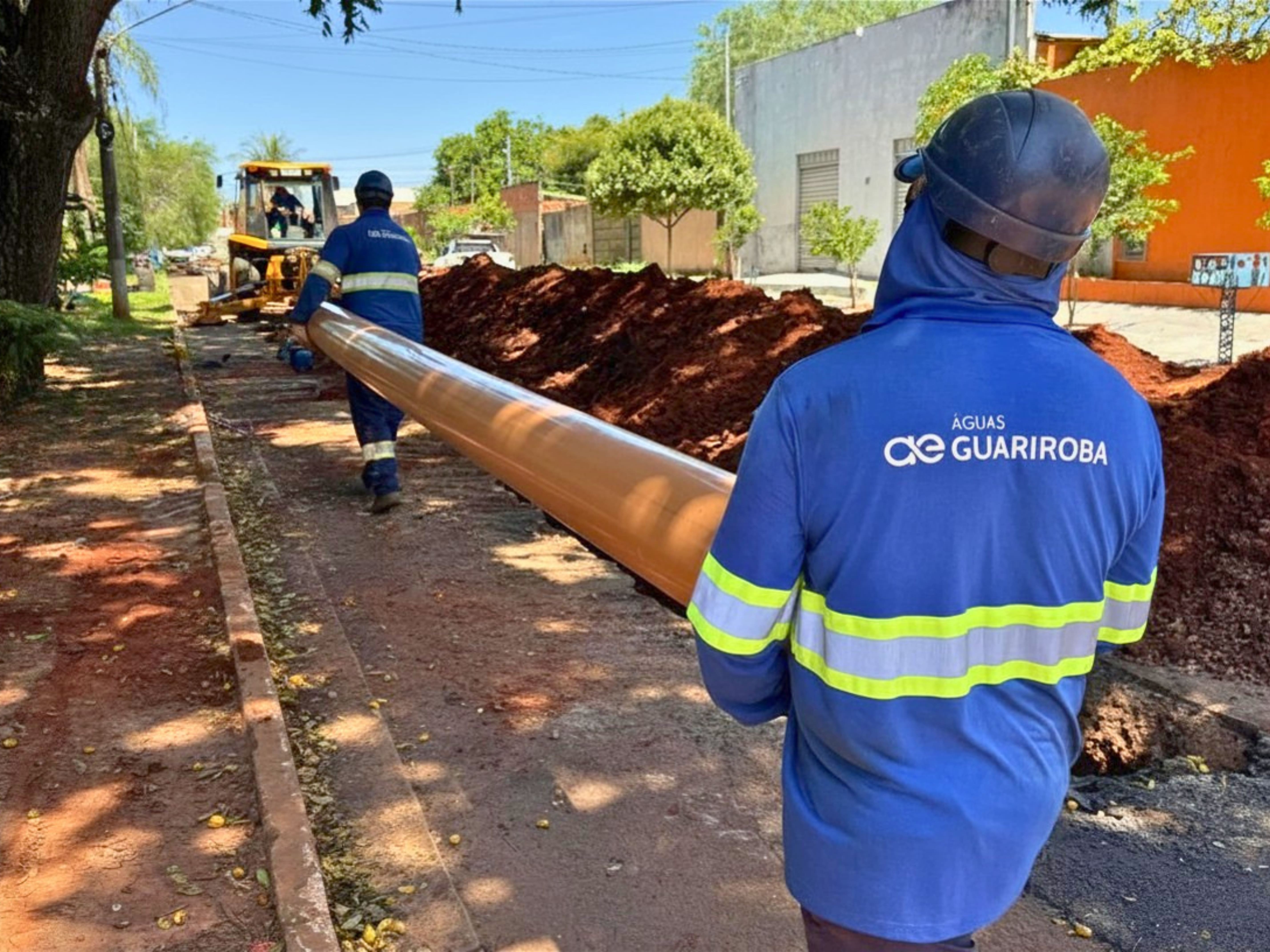
Mato Grosso do Sul, Brazil, has significantly advanced its sanitation infrastructure, with over 30,000 residents gaining access to sewage networks within the past month. This rapid expansion, comparable to connecting an entire medium-sized city, was achieved through substantial investments by Aegea, operating through its subsidiaries Águas Guariroba in Campo Grande and Ambiental MS Pantanal in the state's interior. These companies collaborate with Sanesul and the Mato Grosso do Sul government in public-private partnerships.
Gabriel Buim, CEO of Águas Guariroba and Ambiental MS Pantanal, highlighted that connecting properties to the network is crucial for transforming infrastructure into direct family benefits, ensuring sewage is directed for treatment. In June alone, nearly 10,000 sewage connections were activated. Águas Guariroba facilitated 2,958 connections across six neighborhoods in Campo Grande, while Ambiental MS Pantanal enabled 6,679 new connections in 14 municipalities throughout the interior.
Aegea's operations in Mato Grosso do Sul have already installed 330 kilometers of sewage networks, benefiting over 60,000 people by the end of 2026. The state aims to reach 86% sewage coverage by 2026, up from the current 81%. Residents like Atarcisso de Matos in Campo Grande express gratitude for the improved health and property value brought by the new service. Proper internal connections by homeowners are essential to fully realize these benefits, as emphasized by Rubens Calixto, service coordinator at Ambiental MS Pantanal.
The rapid expansion of sewage infrastructure in Mato Grosso do Sul represents a significant public health and environmental initiative, driven by private investment and public-private partnerships. This model demonstrates a potential pathway for addressing widespread sanitation deficits in developing regions, aligning with long-term sustainability goals. The focus on connecting households to treatment facilities underscores the critical link between infrastructure development and tangible improvements in community well-being and ecological preservation. Future success will likely depend on sustained investment, efficient operational management, and continued public engagement to ensure proper household connections and system maintenance, thereby maximizing the return on infrastructure assets and fostering resilient urban environments.
AI-generated to prompt reflection — not editorial opinion, not advice, not a statement of fact. How this works.