Mato Grosso do Sul Parties Set 2026 Election Convention Dates
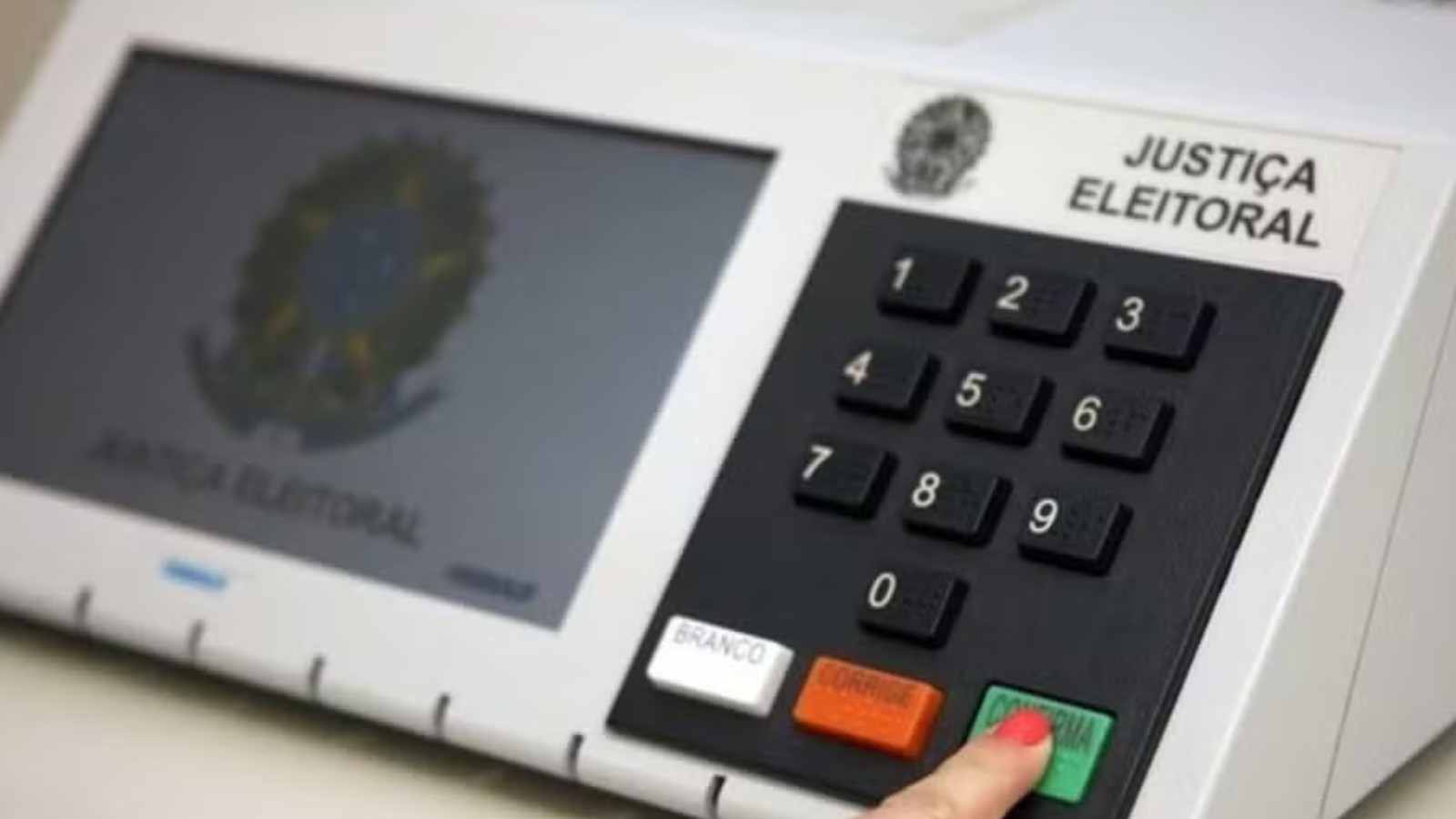
Political parties and federations in Mato Grosso do Sul have begun their convention period, which allows for the officialization of candidacies and the definition of coalitions for the 2026 elections. As of Monday, July 20th, 11 parties and federations have already scheduled their meetings, which can be held in person, virtually, or in a hybrid format. The deadline for these conventions is August 5th.
Several parties have announced their dates, including Agir on July 21st, and PSOL on July 25th. A federation of PT, PV, and PCdoB will convene on July 26th. August 1st is a busy day, with PL, MDB, Republicanos, Avante, a PSDB-Cidadania federation, and a União Brasil-PP federation all holding their conventions. PDT is scheduled for August 4th, and Novo for August 5th. PSD, PRB, and DC have not yet set dates.
Following the conventions, parties must register their candidates with the Electoral Justice system. The election campaign and propaganda period is set to begin on August 16th. Parties will be selecting candidates for president, governor, senator (two per state), federal deputy, and state/district deputy. Electoral conventions must adhere to specific rules, including the submission of minutes and attendance lists to the TSE, and ensuring legal regularity of the party's directing body. Public buildings can be used for free if proper notice is given and damages are covered.
The formalized schedule for party conventions in Mato Grosso do Sul illustrates the structured process by which political actors prepare for upcoming elections. This period is critical for consolidating alliances and presenting unified slates of candidates, reflecting strategic decision-making within Brazil's multi-party system. The adherence to Electoral Justice regulations, such as the timely submission of official documentation and adherence to participation rules, underscores the importance of procedural integrity in maintaining democratic legitimacy. As Brazil navigates its electoral cycles, the efficiency and transparency of these preparatory phases will continue to be key indicators of the health of its political institutions and the public's trust in the electoral process.
AI-generated to prompt reflection — not editorial opinion, not advice, not a statement of fact. How this works.