Mato Grosso do Sul Prosecutors Investigate Eucalyptus Plantations' Environmental Impact
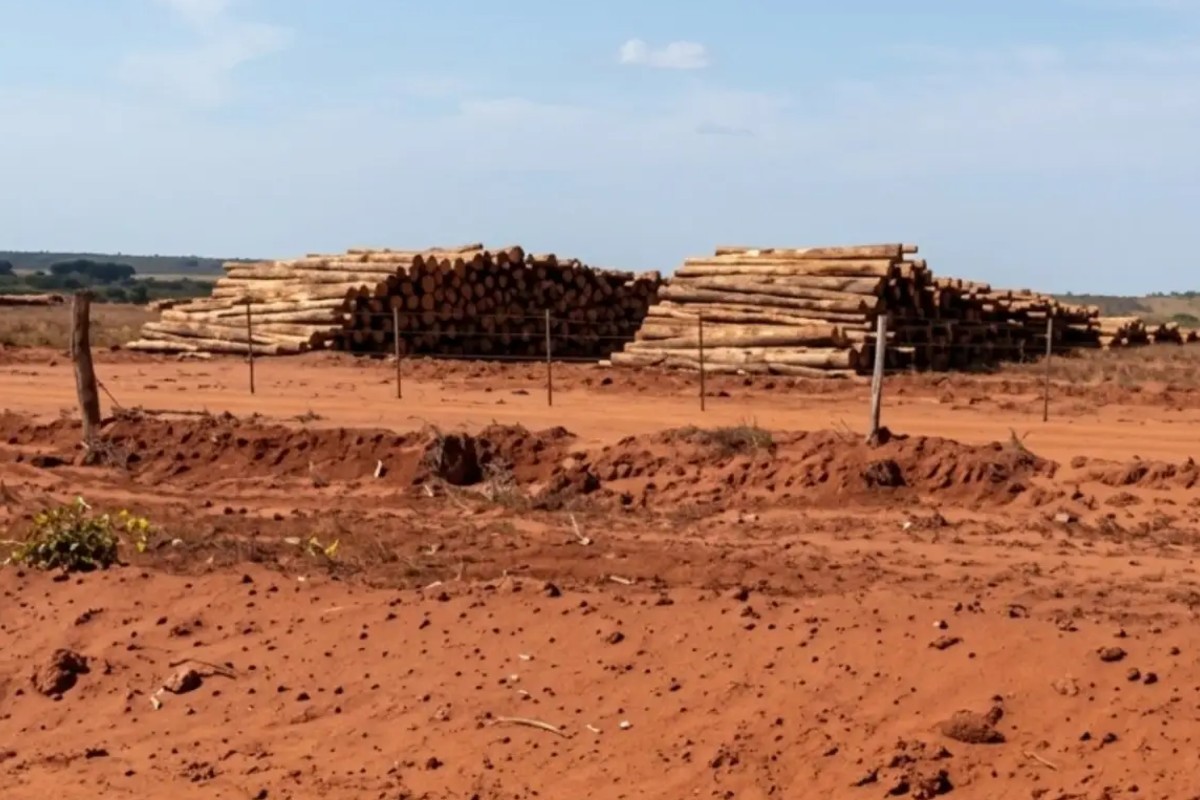
The Public Prosecutor's Office of Mato Grosso do Sul (MPMS) has initiated a civil inquiry to investigate the potential environmental consequences stemming from the expansion of eucalyptus plantations in the eastern region of the state. This investigation, launched by the 1st Public Prosecutor's Office of Três Lagoas, will scrutinize the effects on water resources, local fauna, and flora. The inquiry was prompted by complaints received by the MPMS Ombudsman and the Legislative Assembly of Mato Grosso do Sul (Alems), which cited socio-environmental technical reports from the Costa Leste region. A primary concern is the impact on water sources, with preliminary studies suggesting over 400 springs may have been affected or degraded, particularly in rural settlements of Três Lagoas and Selvíria. The eucalyptus monoculture is advancing into sensitive Cerrado areas and biome transition zones, raising alarms about water consumption from cultivation to cellulose production and its potential disruption of the regional water cycle. The investigation also aims to identify biodiversity impacts, such as damage to native wildlife and plant species resulting from the replacement of natural vegetation. MPMS is conducting field investigations to assess existing environmental damage and future risks, while also examining the compliance of cellulose companies with environmental laws. This includes verifying environmental licenses, water usage permits, forest management plans, environmental compensation fulfillment, and adherence to mitigation measures mandated by the Mato Grosso do Sul Environmental Institute (Imasul) and the State Secretariat of Environment, Development, Science, Technology, and Innovation (Semadesc).
This investigation into eucalyptus plantations highlights a systemic tension between agricultural-industrial expansion and ecological preservation. The inquiry's focus on water resources and biodiversity in sensitive Cerrado transition zones points to the potential for large-scale monoculture to disrupt local ecosystems and hydrological cycles. By examining regulatory compliance, including environmental licensing and water permits, the MPMS is assessing whether current industrial practices align with sustainable development principles. The outcome could influence future land-use policies and corporate environmental stewardship in the region, prompting a re-evaluation of the trade-offs between economic development driven by the cellulose industry and the long-term health of the state's natural environment.
AI-generated to prompt reflection — not editorial opinion, not advice, not a statement of fact. How this works.