Mato Grosso do Sul Residents Can Register for Paternity Recognition Drive Until Friday
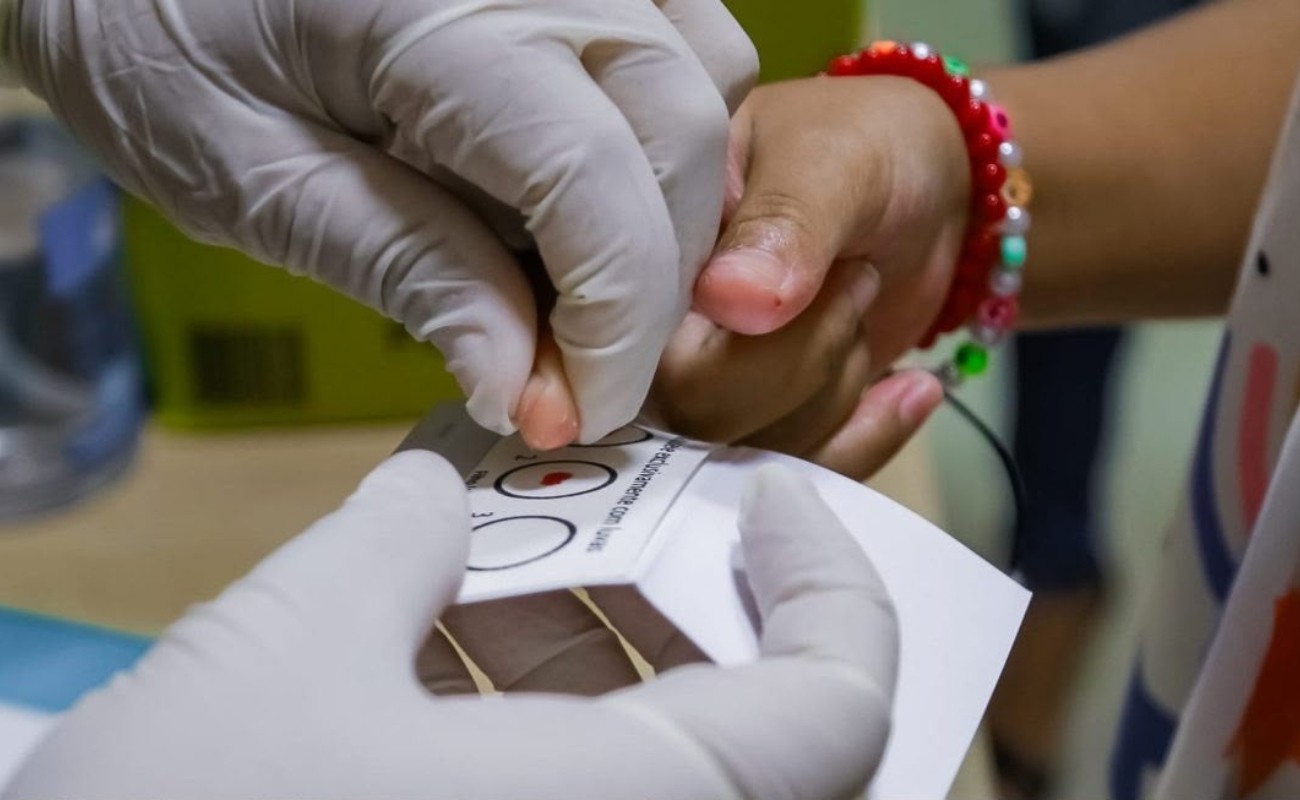
The Public Defender's Office of Mato Grosso do Sul is accepting applications for its 2026 'Meu Pai Tem Nome' (My Father Has a Name) program, which facilitates the recognition of paternity and maternity, including socio-affective bonds. Interested individuals must register via an electronic form by Friday, July 31st. The event itself is scheduled for Saturday, August 1st, from 8 AM to 12 PM. According to the coordinator of the Family and Succession Nucleus (Nufam), pre-registration is mandatory, and walk-ins will not be accommodated. Participants can choose between in-person or fully online services. For those opting for in-person attendance, locations are available in Campo Grande at Unidade Belmar, Dourados at Avenida Presidente Vargas, and Três Lagoas at Rua Alfredo Justino. Residents from other municipalities in Mato Grosso do Sul are also eligible and can select one of these three locations or opt for a completely virtual process. Applicants need to submit a government-issued ID with photo (RG and CPF), a current proof of residence, and the child's birth certificate. If necessary, the mother and the alleged father or socio-affective mother must also provide personal documents for procedures like DNA testing or voluntary recognition. The 'Meu Pai Tem Nome' program provides free legal assistance and guidance to ensure broader access to the right of filiation.
This initiative addresses a fundamental aspect of legal identity and familial rights by providing a streamlined, accessible process for paternity and maternity recognition. The program's focus on both biological and socio-affective ties acknowledges evolving family structures and aims to rectify potential gaps in legal documentation, thereby promoting social inclusion and individual well-being. By offering free legal services and a hybrid online/in-person attendance model, the Public Defender's Office is leveraging technology and public infrastructure to overcome geographical and financial barriers. This approach is crucial in ensuring that all citizens can exercise their right to legal recognition, which has long-term implications for inheritance, social security, and personal identity, particularly for children. The program's success hinges on effective outreach and the efficient processing of applications, highlighting the ongoing need for robust public services that support fundamental human rights in an increasingly complex societal landscape.
AI-generated to prompt reflection — not editorial opinion, not advice, not a statement of fact. How this works.