Mato Grosso Faces Hotter, Drier August: Mixed Impacts for Agriculture and Residents
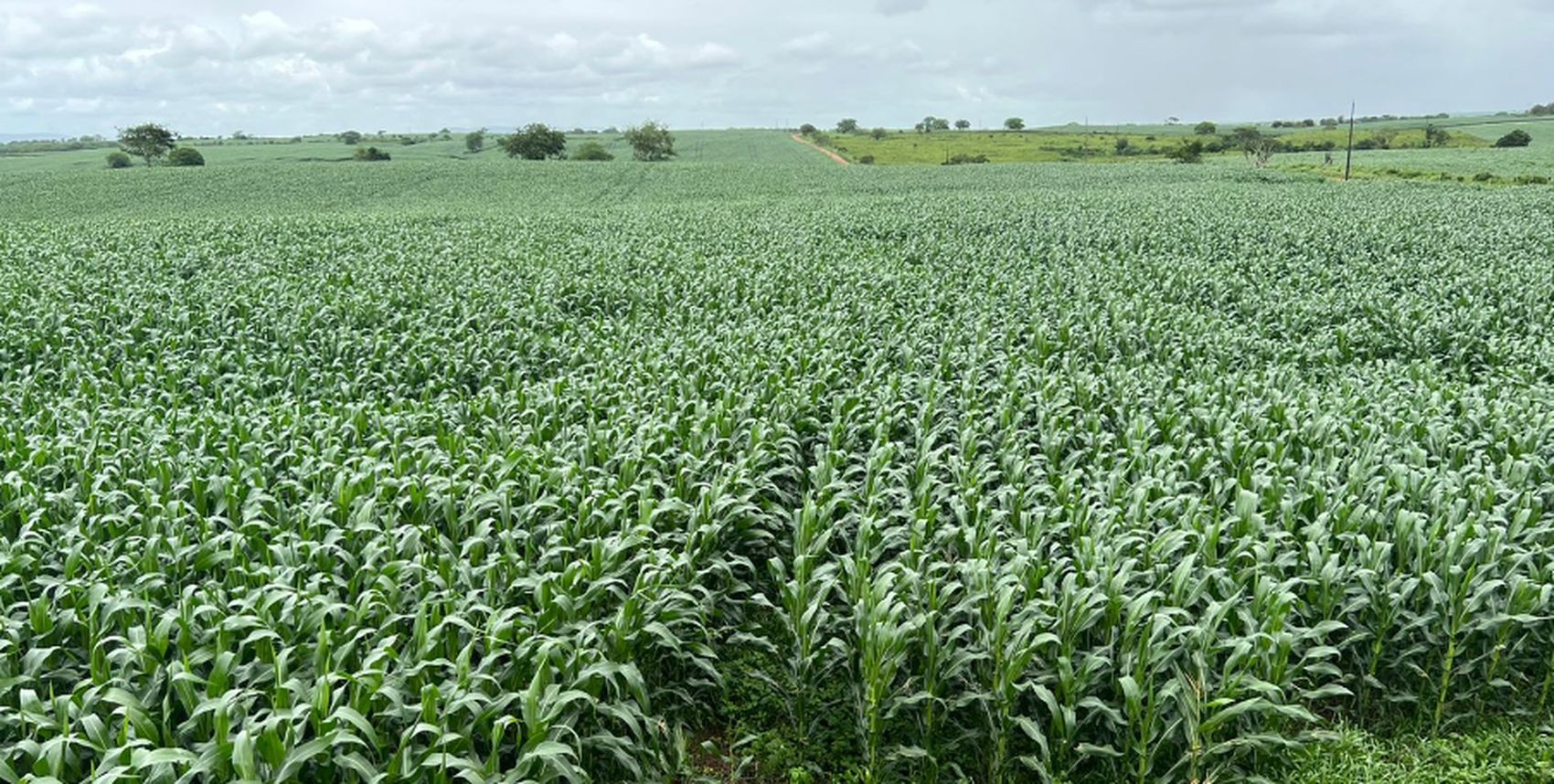
Mato Grosso is expected to experience above-average temperatures and dry conditions throughout August, according to the National Supply Company (Conab). These weather patterns will bring contrasting effects to the state's population and agricultural sector. While residents may face increased discomfort due to the heat and low humidity, the dry climate is predicted to be highly beneficial for the harvest of second-crop corn and cotton. The National Institute of Meteorology (Inmet) forecasts temperatures up to 2°C above the historical average for the Center-West region, with Mato Grosso's northern and western areas likely to see the most significant increases, potentially reaching 36°C in Cuiabá. Concurrently, the state is bracing for a period of minimal rainfall, typical for August, with dry weather dominating the next seven days across much of the Center-West. The dry conditions are advantageous for harvesting corn and cotton as they reduce grain and fiber moisture, facilitate natural drying, and improve conditions for farm machinery. The absence of rain also minimizes disruptions to agricultural activities, aids logistical planning, and lessens soil compaction. However, producers of irrigated beans will need to exercise greater caution. Inmet indicates that rising temperatures will increase the crop's water demand, necessitating enhanced irrigation management to maintain productivity. In Sorriso, a major corn-producing municipality, favorable conditions for harvesting are highly probable, with an 84.1% chance of at least seven suitable harvesting days by late July and 77.6% in early August, enhancing operational predictability.
The confluence of hotter and drier weather in Mato Grosso presents a dual-edged sword for the region. While agricultural producers of corn and cotton stand to benefit from conditions conducive to harvesting, potentially improving yields and operational efficiency, the increased heat and reduced humidity pose challenges for other crops like irrigated beans, demanding more precise resource management. From a broader perspective, this climate pattern highlights the increasing vulnerability of agricultural systems to meteorological shifts, underscoring the need for adaptive strategies. The predictability offered by favorable harvesting windows, as seen in Sorriso, can be a significant advantage for logistical planning and risk mitigation. However, the underlying trend of extreme weather events warrants a long-term assessment of regional agricultural resilience and water resource management practices in the face of evolving climatic conditions.
AI-generated to prompt reflection — not editorial opinion, not advice, not a statement of fact. How this works.
