Mato Grosso inaugurates first free public senior housing complex
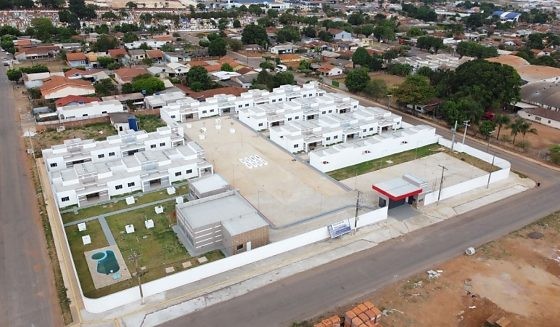
Mato Grosso is set to inaugurate Vila Aconchego, the state's first public, free-of-charge condominium exclusively for seniors, on Friday, March 3rd. Located in Jaciara, approximately 150 kilometers from Cuiabá, the residential complex is designed for individuals over 60 years old facing social vulnerability, offering them housing with specialized infrastructure for enhanced quality of life. The facility spans about 3,000 square meters of built area and comprises 54 semi-detached houses, all adapted for the elderly. These homes will be move-in ready, fully furnished, and will not incur any rent or maintenance fees, according to the municipality. Residents will also have access to daily healthcare services at an on-site clinic staffed by a specialized team. Furthermore, the condominium features extensive leisure facilities, including a swimming pool, gym, party hall, barbecue area, internal plaza, and a walking path, all aimed at fostering social interaction and promoting physical and emotional well-being. Vila Aconchego was a collaborative effort between the Prefecture of Jaciara and the Government of Mato Grosso, with the state contributing approximately R$12 million in investment. The primary objective of this initiative is to combat social isolation, a prevalent issue among the elderly, by providing not just housing but also an environment that encourages community, care, and autonomy. Eligibility criteria for residents included being 60 or older, experiencing social vulnerability, having a family income of up to two minimum wages, being registered in the federal government's Cadastro Único, and not owning property, while residing in rented or provided accommodation. The 54 selected beneficiaries who met all requirements are expected to receive their keys during the inauguration ceremony.
The establishment of Vila Aconchego represents a proactive governmental response to the growing challenges of social isolation and housing insecurity among the elderly. By providing free, furnished housing with integrated health and recreational facilities, the project aims to enhance the quality of life and social integration for vulnerable seniors. This model, funded through state investment and municipal partnership, could serve as a replicable framework for addressing similar demographic and social needs in other regions. Future considerations might involve evaluating the long-term sustainability of such free-access models, exploring potential public-private partnerships for operational efficiency, and assessing the impact on residents' autonomy and community engagement over time, particularly in the context of an aging global population and evolving social care paradigms.
AI-generated to prompt reflection — not editorial opinion, not advice, not a statement of fact. How this works.