Mato Grosso Indigenous Film Selected for Gramado Festival Competition
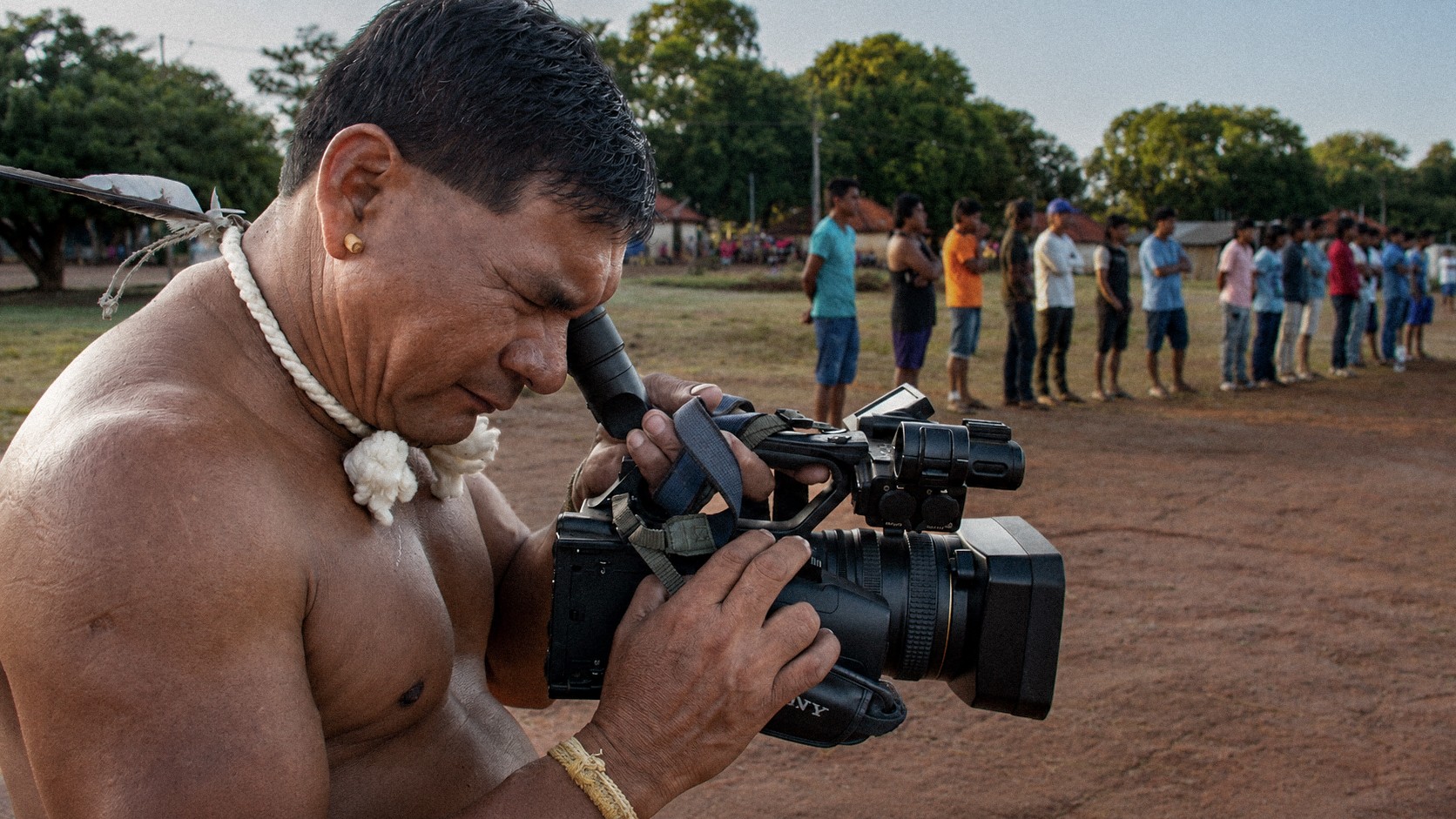
The documentary "Divino: Sua alma, sua lente," which chronicles the life of Xavante filmmaker Divino Tserewahú, has been selected for the 54th edition of the Gramado Film Festival, a prominent Brazilian audiovisual event. The film will compete for the Kikito award in the Brazilian Short Films category alongside eleven other productions. Filmed within the Sangradouro Indigenous Land in General Carneiro, Mato Grosso, the short film explores Tserewahú's journey and the intersection of cinema with the preservation of Xavante culture. It follows the indigenous filmmaker as he revisits archives, photographs, and community memories, highlighting cinema as a tool for resistance, identity, and intergenerational knowledge transfer. The production received funding from the Lei Paulo Gustavo audiovisual incentive program and was a collaboration with the Digital Production Hub of the Federal University of Mato Grosso. Directed by Gilson Costta and Clea Torres, with Divino Tserewahú as co-director, the film involved professionals and students dedicated to advancing filmmaking in Mato Grosso's interior. According to director Clea Torres, this selection signifies the growing maturity and quality of audiovisual productions originating from the Araguaia region. Director Gilson Costa emphasized the Xavante people's central role throughout the creative process, noting Tserewahú's active participation in filming, editing, and post-production, ensuring the work was built collaboratively with the community. The 25-minute documentary has also received recognition at other festivals, including honorable mentions at the Cuiabá Film Festival, selection for the IX Sesc Cinema Showcase, and a distinction at the É Tudo Verdade International Documentary Festival. The Gramado Film Festival is scheduled to take place from August 12 to 22 in Gramado, Rio Grande do Sul.
This documentary's selection for the Gramado Film Festival underscores the increasing recognition of indigenous voices and perspectives within Brazilian cinema. The film's focus on using audiovisual tools for cultural preservation and knowledge transmission highlights a critical function of media in the digital age, particularly for marginalized communities seeking to assert their identity and history. The collaborative production model, involving the filmmaker, community, university, and regional funding, suggests a sustainable approach to creating culturally authentic content. As AI continues to reshape content creation and distribution, films like this demonstrate the enduring power of human storytelling and the importance of diverse cultural narratives in enriching the global media landscape.
AI-generated to prompt reflection — not editorial opinion, not advice, not a statement of fact. How this works.