Mato Grosso Infrastructure Secretary Leaves BRT Hearing, Citing Health Concerns
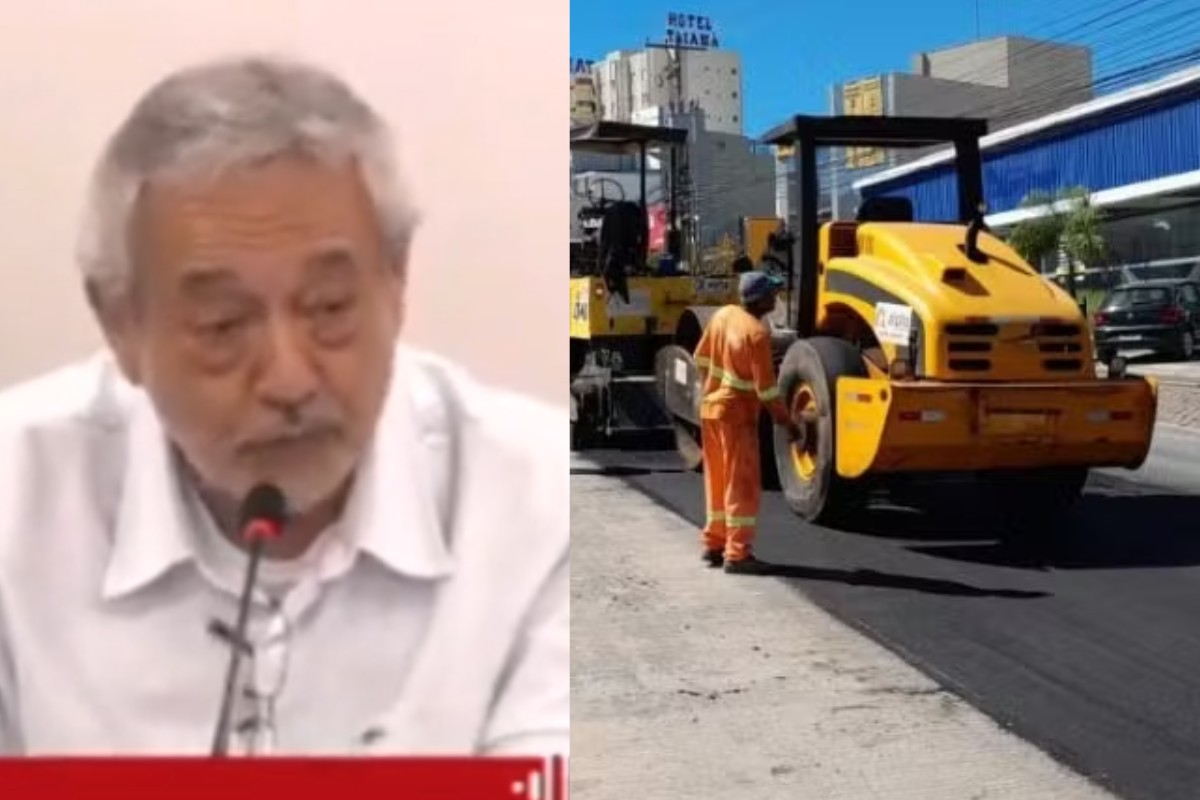
Marcelo de Oliveira, the Mato Grosso State Secretary of Infrastructure and Logistics, abruptly left a hearing at the Legislative Assembly of Mato Grosso (ALMT) on Monday, November 13th. The session, convened by State Deputy Lúdio Cabral, was intended to provide updates on the Bus Rapid Transit (BRT) project. Secretary Oliveira stated he was feeling nervous and feared a heart attack, announcing that the technical team would continue the explanations. He expressed a desire to speak further but refrained due to his health concerns. Following his departure, the deputy secretary of Metropolitan Management and Planning, Isaac Nascimento Filho, addressed the assembly. Nascimento Filho reported that the first phase of the BRT project, covering the route from Terminal do CPA to Marechal Rondon International Airport, is contractually slated for completion by November of this year and is the most extensive part of the work. The second phase, involving the construction of air-conditioned stations, has seen only one bidder, with completion expected by December. The third phase, encompassing terminals and stops between Várzea Grande, Porto, and CPA, has attracted seven interested companies, with the selected winner already contracted to develop executive projects and secure permits. Regarding the Avenida Fernando Corrêa da Costa section, projects are complete, but the government has postponed construction to mitigate traffic impacts in the capital, deferring execution to the next state administration.
The abrupt departure of a high-ranking official from a public hearing, citing health reasons, raises questions about transparency and accountability in infrastructure project oversight. While personal health is a valid concern, the timing and context suggest potential underlying pressures or disagreements regarding the BRT project's progress and challenges. The subsequent explanation by a deputy secretary highlights the complexities of managing large-scale public works, including procurement issues, potential traffic disruptions, and the political realities of project timelines extending beyond current administrations. Future administrations will need robust governance frameworks to ensure continuity and public trust in critical infrastructure development, regardless of political shifts or unforeseen circumstances.
AI-generated to prompt reflection — not editorial opinion, not advice, not a statement of fact. How this works.