Mato Grosso Launches 'Pai Presente' Initiative for Paternity Recognition and DNA Testing
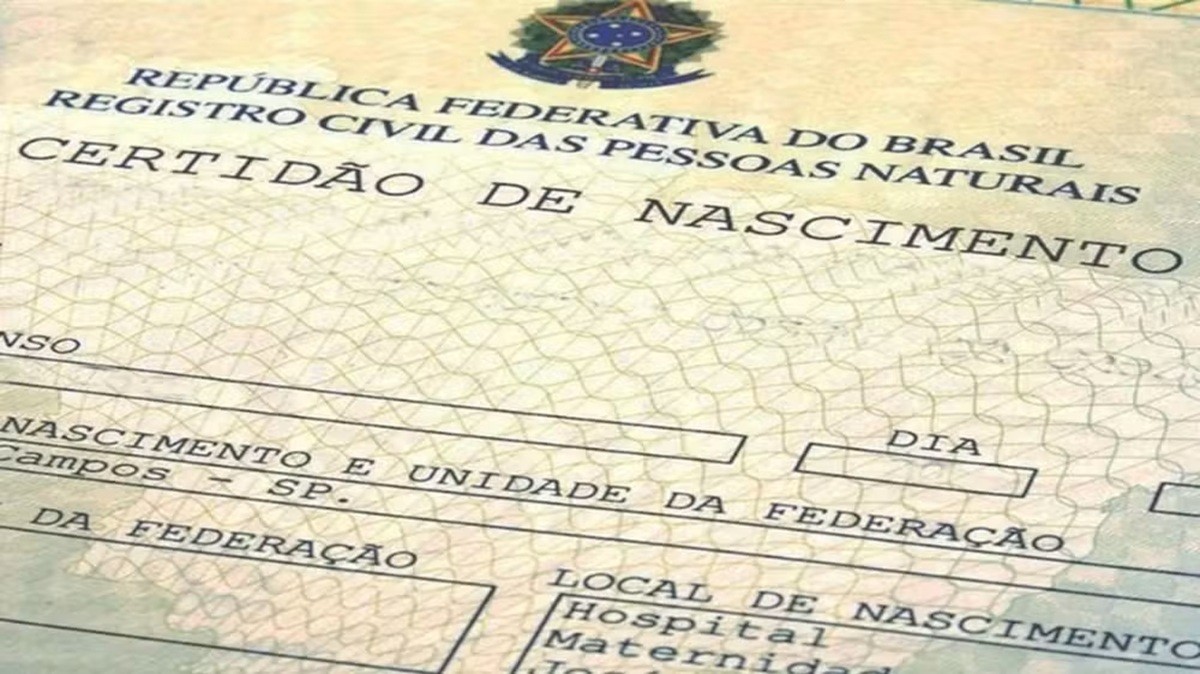
The Court of Justice of Mato Grosso (TJMT) is hosting the 'Mutirão Pai Presente' initiative from August 3rd to August 8th, offering free paternity recognition, DNA testing, and birth certificate updates. This program aims to secure fundamental rights for children, including identity, family life, child support, and inheritance. The initiative goes beyond mere civil registry updates, focusing on strengthening family bonds and ensuring legal rights. When necessary, DNA testing will be conducted to confirm paternity.
The 'Mutirão Pai Presente' is overseen by the General Corregedoria of Justice (CGJ) and the Permanent Center for Consensual Dispute Resolution Methods (Nupemec), with support from the Central Laboratory of Public Health of Mato Grosso (Lacen-MT). Services include voluntary paternity recognition, paternity investigation, DNA sample collection, inclusion of the father's and paternal grandparents' names on birth certificates, and civil registry regularization. It also covers socio-affective paternity recognition and mediation for consensual solutions, with judicial homologation of paternity recognition. DNA test results from the event can expedite ongoing legal cases by being directly attached to case files.
Furthermore, the program facilitates genetic reconstruction for cases where the alleged father is deceased or absent, as stipulated by Law No. 14.138/2021. For individuals needing to address paternity or birth certificate matters outside of the specific event, the Judiciary provides year-round free services through Cejuscs and forum directorates. The Cejusc in Cuiabá highlights that consensual solutions expedite processes, reduce costs, and allow parties to reach agreements. DNA sample collection for ongoing judicial processes occurs on the last Friday of each month.
The 'Mutirão Pai Presente' initiative addresses critical legal and social rights related to paternity, aiming to provide children with essential documentation and familial connections. By offering free services like DNA testing and birth certificate updates, the program seeks to reduce barriers to legal recognition, potentially impacting child support, inheritance, and overall family stability. The inclusion of socio-affective paternity and mediation suggests a move towards more holistic family recognition processes. From a systemic perspective, such initiatives can alleviate burdens on the judicial system by resolving disputes efficiently and proactively establishing legal parentage, thereby contributing to social welfare and potentially reducing future legal complexities. The program's design, including year-round services and specific provisions for deceased or absent fathers, demonstrates an effort to create a more inclusive and accessible legal framework for family matters.
AI-generated to prompt reflection — not editorial opinion, not advice, not a statement of fact. How this works.
