Mato Grosso Medical Examiner's Office Shut Down Over Expired Products and Improper Bone Storage
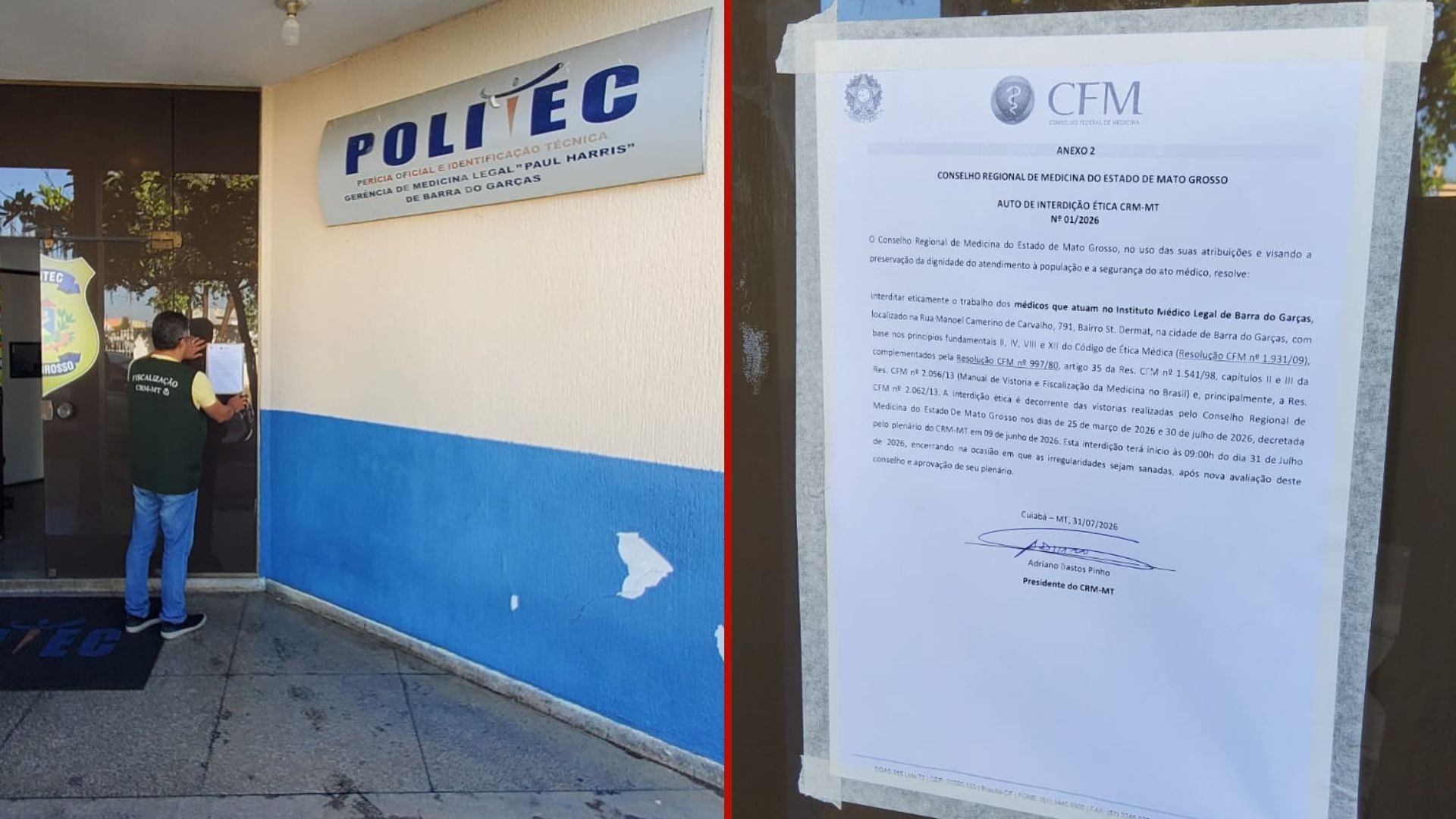
The Regional Council of Medicine of Mato Grosso (CRM-MT) has officially shut down the Medical Legal Institute (IML) in Barra do Garças, Mato Grosso, Brazil, following a thorough inspection that uncovered severe irregularities. The ethical interdiction, approved unanimously by the CRM-MT board in late May, was finalized on Friday, March 31st. This decision stemmed from a March 25th inspection that revealed expired chemical products, some over a decade old, and outdated materials used in examinations. Most disturbingly, human bones were found improperly stored in an open container within a room used for cleaning supplies. The inspection report also detailed a lack of basic necessities, including potable water, adequate restrooms for staff, and essential hygiene items. Further deficiencies included accessibility issues, missing mandatory equipment, absence of valid sanitary and fire prevention permits, and a lack of formal registration with the CRM-MT and a designated technical director. The report highlighted precarious conditions in autopsy rooms and for biological sample storage, inadequate infectious waste management, insufficient personal protective equipment for staff, and a lack of proper facilities for examining sexual assault victims. CRM-MT President Adriano Pinho stated that ethical interdiction is an exceptional measure for situations lacking minimal conditions for medical practice, emphasizing the council's duty to protect both medical professionals and the public from unsafe environments. This measure prevents medical acts at the facility until all identified issues are rectified. The CRM-MT also indicated that other units of the Official Expertise and Technical Identification (Politec) in Mato Grosso are under review, with potential for further action if similar problems are found.
The closure of the Barra do Garças IML highlights critical systemic failures in public health infrastructure and regulatory oversight. The discovery of expired chemicals, improperly stored human remains, and a lack of basic sanitation points to significant governance and resource allocation challenges within the official expertise and technical identification services in Mato Grosso. Such conditions not only compromise the integrity of forensic investigations but also pose direct risks to public health and the dignity of the deceased. Moving forward, a comprehensive review of operational standards, supply chain management for medical and forensic materials, and consistent enforcement of regulatory compliance across all such facilities is imperative. Addressing these systemic issues proactively will be crucial to prevent recurrence and ensure that essential public services meet ethical and safety benchmarks, particularly in the face of evolving public health demands and technological advancements in the coming decade.
AI-generated to prompt reflection — not editorial opinion, not advice, not a statement of fact. How this works.
