Mato Grosso Police Arrest Suspects in Drug Trafficking Operation
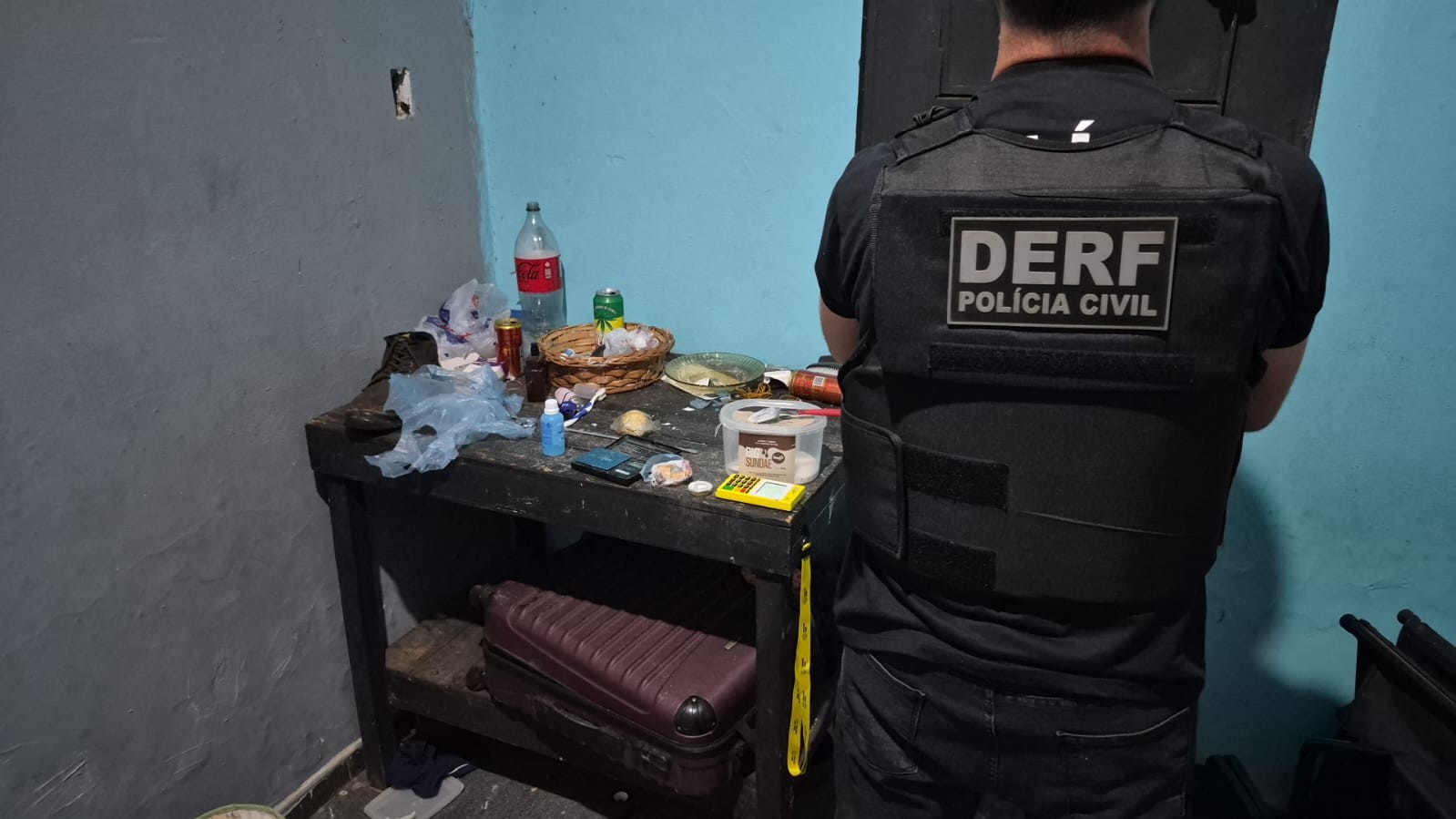
The Civil Police of Mato Grosso launched "Operation Asfixia" on Thursday, May 23rd, targeting a group suspected of drug trafficking and criminal association. Authorities executed eight judicial orders in Rondonópolis and Poxoréu, located in the southeast of the state. The operation involved three preventive arrest warrants and five search and seizure warrants issued by the Rondonópolis Police Inquiries Nucleus. During the execution of these orders, police seized narcotics, mobile phones, cash, precision scales, and other materials that will be analyzed and added to the ongoing investigation. The primary goal of this action is to disrupt the activities of the suspected criminal group and gather further evidence for prosecution. Support for the operation was provided by police units from Primavera do Leste and Poxoréu. Investigations are ongoing to identify additional members of the group and expand the inquiry. The investigation began after a man was arrested in Rondonópolis for drug trafficking, leading to the seizure of evidence. Analysis of seized mobile phones revealed the existence of other suspects involved in the scheme, particularly in the Bom Pastor neighborhood. These findings allowed the Civil Police to gather sufficient evidence to request the judicial measures that were subsequently authorized and executed.
This operation highlights the ongoing efforts by law enforcement in Mato Grosso to combat drug trafficking networks. The systematic approach, involving intelligence gathering from previous arrests and subsequent judicial authorization for searches and seizures, demonstrates a procedural adherence to evidence-based policing. The focus on dismantling organized groups rather than isolated incidents suggests a strategic intent to address the systemic nature of drug distribution. Future effectiveness will likely depend on sustained inter-agency cooperation and the ability to adapt to the evolving tactics of criminal organizations, particularly in leveraging digital forensics for identifying broader networks and financial flows.
AI-generated to prompt reflection — not editorial opinion, not advice, not a statement of fact. How this works.