Mato Grosso Prosecutors Investigate Mental Health Care for Inmates in Cuiabá Prison
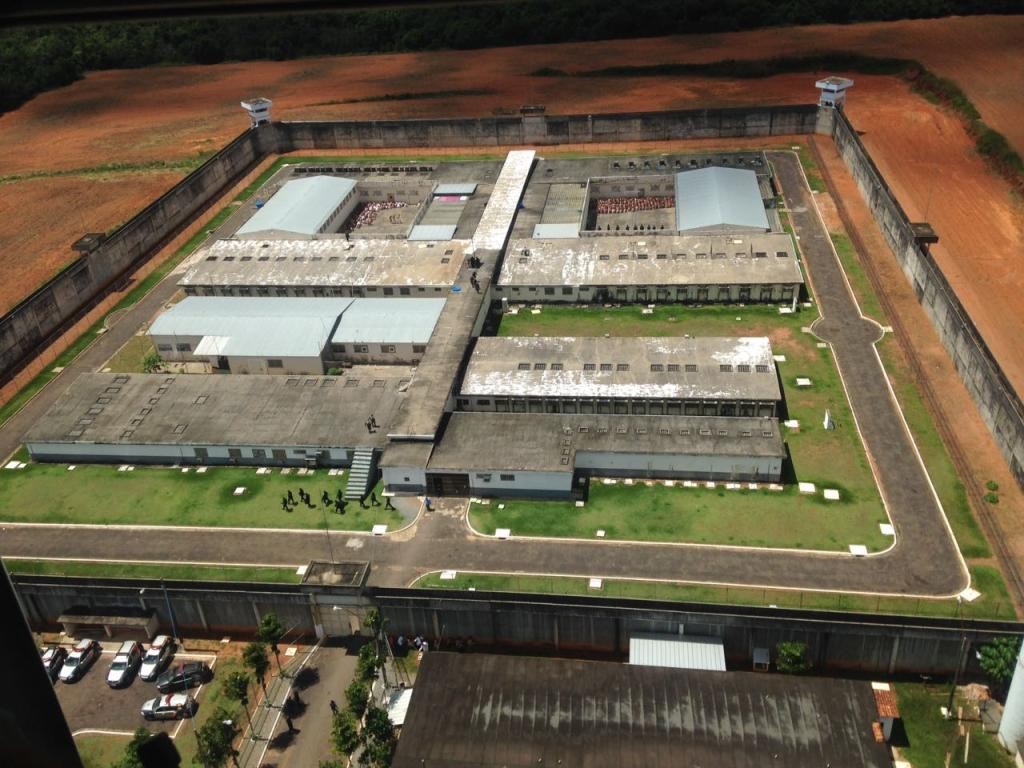
The Public Prosecutor's Office of Mato Grosso (MPMT) has launched a civil inquiry to investigate the situation of inmates with mental disorders held at the Central State Penitentiary (PCE) in Cuiabá. The investigation aims to ensure these individuals are transferred to appropriate therapeutic treatment facilities. The inquiry was initiated by the 5th Criminal Prosecutor's Office of the Capital, through its Penal Execution Nucleus, following reports that numerous prisoners with mental health conditions remain in the correctional facility due to a lack of available beds in specialized psychiatric units. According to the MPMT, some of these inmates are under provisional detention or security measures but should be housed in specialized care units, such as the Adauto Botelho Hospital, which is the reference center for psychiatric treatment in Mato Grosso. The Penal Execution Law stipulates that penitentiaries are for those sentenced to closed-regime imprisonment, while individuals deemed non-imputable or semi-imputable should be directed to psychiatric custody and treatment hospitals. The MPMT also cited norms from the National Council of Justice (CNJ) and state ordinances that assign the public health network responsibility for the therapeutic care of individuals with mental disorders who are in conflict with the law. Through this inquiry, the Public Prosecutor's Office intends to assess the condition of these inmates and guarantee their transfer to suitable treatment locations as mandated by law. The procedure was formally opened by prosecutor Rodrigo de Araújo Braga Arruda.
This investigation highlights a systemic challenge in Brazil's penal and healthcare systems: the inadequate provision of specialized care for incarcerated individuals with mental health conditions. The inquiry by the Mato Grosso Public Prosecutor's Office seeks to align prison practices with legal mandates, which prioritize therapeutic treatment over incarceration for those with mental disorders. The core issue appears to be a deficit in specialized facilities, leading to a conflict between correctional objectives and public health responsibilities. Future policy considerations should focus on inter-agency collaboration to expand psychiatric hospital capacity and develop integrated care models. This approach could not only ensure legal compliance but also promote more humane and effective rehabilitation outcomes, addressing a critical gap in the justice and health sectors over the next decade.
AI-generated to prompt reflection — not editorial opinion, not advice, not a statement of fact. How this works.