Mato Grosso Public Defender Sues State Over Inadequate Prison Conditions and Healthcare
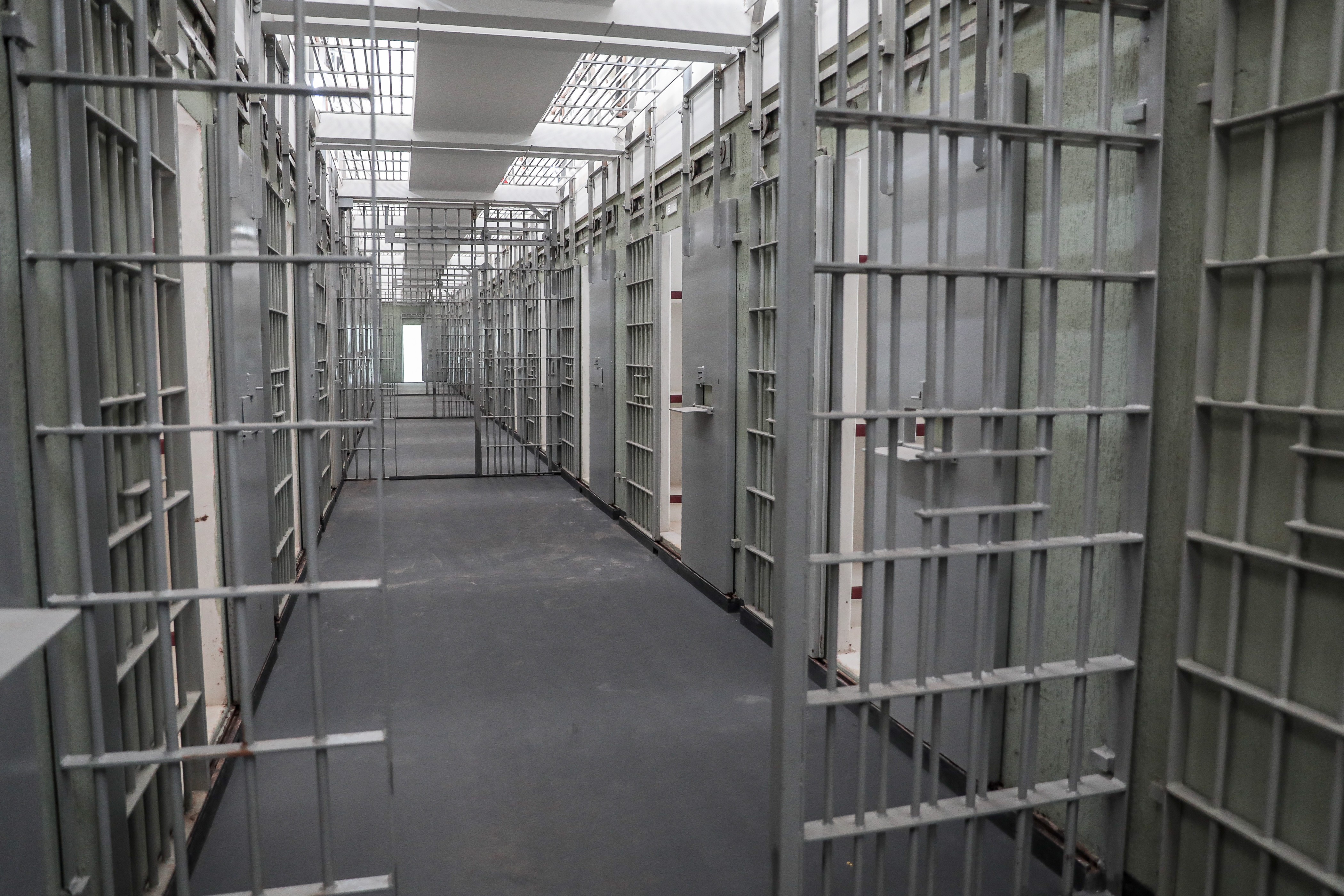
The Public Defender's Office of Mato Grosso (DPEMT) has filed a lawsuit against the state of Mato Grosso, Brazil, seeking to improve conditions and healthcare for inmates at the Central State Penitentiary (PCE) in Cuiabá. The legal action was initiated on July 10th by public defender Fábio Barbosa in the Specialized Court of Public Finance of Cuiabá. This step was taken after repeated administrative attempts to address issues within the prison failed, with numerous official requests to the Penitentiary Administration going unanswered.
During their visits, defenders observed that some inmates lack mattresses or are forced to use deteriorated and unsuitable bedding. In terms of healthcare, the DPEMT highlighted significant delays in medical appointments and specialized examinations for inmates, as indicated by data from the Regulation System (Sisreg III). The lawsuit cites the Federal Constitution, the Law of Criminal Execution, and the UN's Mandela Rules, which mandate state responsibility for the health of incarcerated individuals.
The DPEMT is requesting immediate improvements, including the provision of adequate mattresses and timely medical care. They also seek a daily fine of R$10,000 against the responsible authority for non-compliance and the potential freezing of public funds. Furthermore, the office demands that the state provide structural data demonstrating its commitment to properly supplying healthcare and essential materials within the facility.
This legal action by the Mato Grosso Public Defender's Office highlights a systemic challenge in ensuring basic human rights and adequate living conditions within correctional facilities. The lawsuit's reliance on constitutional mandates, specific penal laws, and international standards like the Mandela Rules underscores the gap between legal obligations and on-the-ground realities. The state's alleged failure to address issues administratively, leading to judicial intervention, suggests potential governance or resource allocation deficiencies. Moving forward, the case prompts consideration of accountability mechanisms for state-run institutions and the long-term implications of underfunded or poorly managed correctional healthcare systems. The demand for structural data indicates a push for transparency and evidence-based policy to prevent future deterioration of inmate welfare.
AI-generated to prompt reflection — not editorial opinion, not advice, not a statement of fact. How this works.