Mato Grosso Public Prosecutor Appeals for Press Access to Carlinhos Bezerra Murder Trial
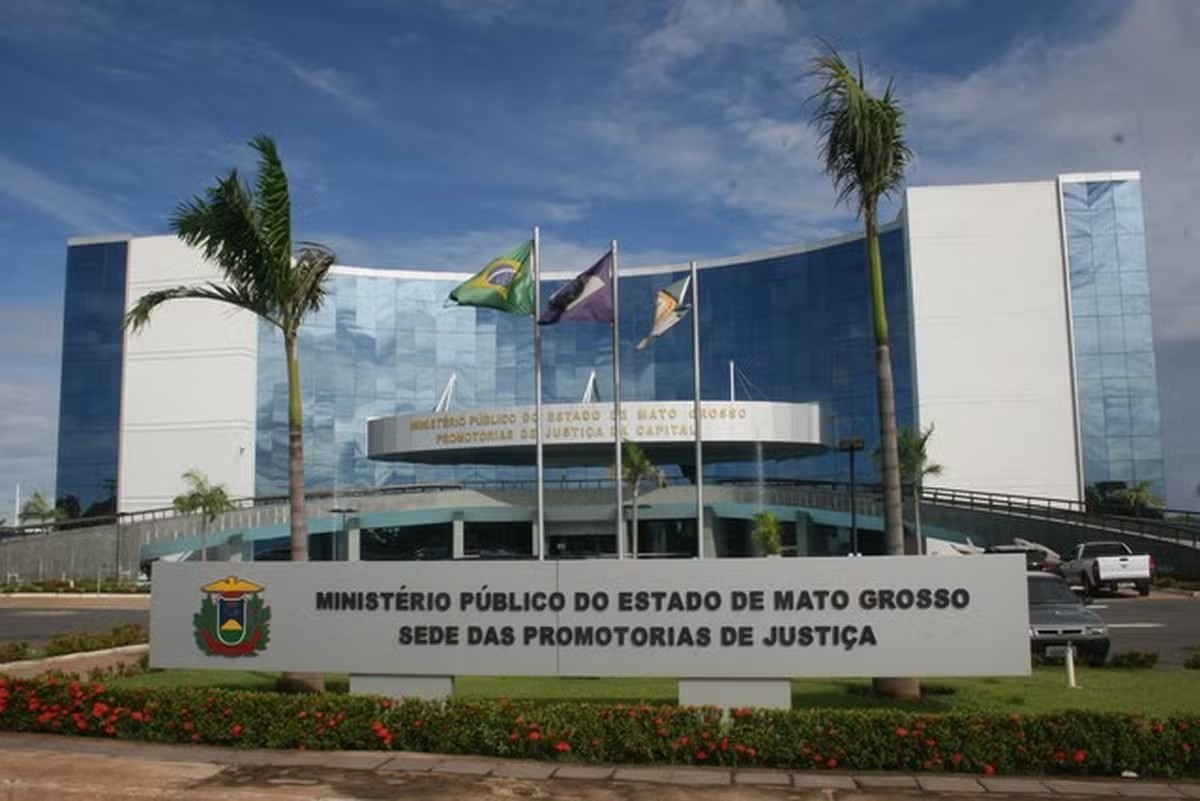
The Public Prosecutor's Office of Mato Grosso (MPMT) has filed an appeal to overturn a decision that restricts media and public access to the upcoming jury trial of Carlinhos Bezerra. Bezerra is accused of murdering his ex-partner, Thays Machado, and her boyfriend, Willian César Moreno, in Cuiabá. The trial is scheduled for Tuesday, January 7th. The appeal was lodged by prosecutor Élide Manzini de Campos, who argues that there are insufficient grounds for secrecy and that the trial should be open to the public, upholding the principle of judicial publicity. This restriction was initially imposed by Judge Mônica Perri, who is presiding over the case. The judge's order permits only individuals directly involved in the proceedings to be present in the courtroom. The Mato Grosso Court of Justice (TJMT) stated that the restriction was requested by Bezerra's defense, citing the case's confidential status. Consequently, the press will be barred from the courtroom, and updates will be provided by the magistrate's office and the TJMT's communication team. Image capture will be limited to the exterior of the Cuiabá Forum to minimize disruption. Bezerra, son of former federal deputy Carlos Bezerra, is charged with feminicide for the January 18, 2023, murders. Thays Machado had filed a police report against him on the day of the crime. Investigations suggest Bezerra premeditated the killings due to jealousy, monitoring Machado's activities and obtaining location data and screenshots of her frequented places.
The Public Prosecutor's Office's appeal highlights a tension between the principle of judicial transparency and the defendant's right to a fair trial, particularly in high-profile cases involving alleged domestic violence. While restricting access might aim to prevent jury contamination or protect privacy, it can also obscure the judicial process from public scrutiny. The defense's request for secrecy, coupled with the judge's decision, raises questions about the proportionality of such measures. Moving forward, judicial systems must balance the need for confidentiality in sensitive investigations with the fundamental right to open justice, especially as public trust in legal proceedings is paramount in the digital age. The case underscores the ongoing challenge of managing information flow in trials that attract significant media attention, requiring clear protocols to ensure both fairness and accountability.
AI-generated to prompt reflection — not editorial opinion, not advice, not a statement of fact. How this works.