Mato Grosso Sees Lowest July Fire Incidents in Over Two Decades
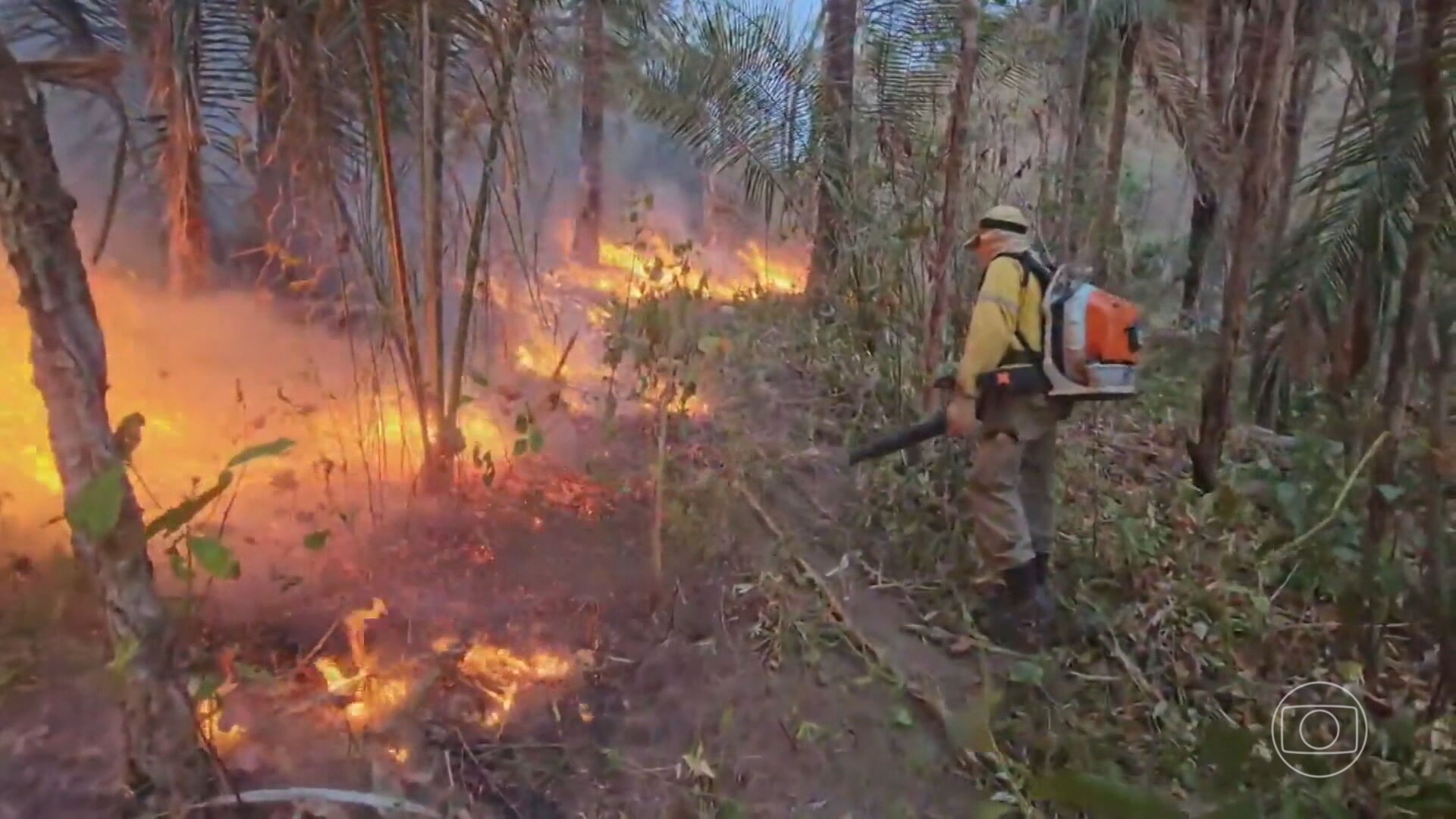
Mato Grosso recorded its lowest number of heat hotspots in July since INPE's historical data began in 1998, with 746 incidents. This represents a significant decrease of 78.15% compared to the historical average of 3,414 hotspots and a 26.65% drop from July 2025's 1,017 incidents. Approximately 60% of these hotspots occurred on federal lands, including indigenous territories and settlements, where the federal government is responsible for combating fires. Despite this reduction, the Fire Department warns that the dry season continues to pose a significant risk due to high temperatures, low humidity, and strong winds, which increase the likelihood of forest fires. Lieutenant Colonel Heitor Alves de Souza, commander of the Environmental Emergencies Battalion, attributed the decline to preventative measures, inspections, and guidance implemented earlier in the year. He emphasized that while the number of incidents has decreased, the risk persists and public cooperation is crucial to prevent fires during the dry period. The public is urged to report illegal burning via emergency numbers 190 and 193 and to adhere to the fire ban. May recorded 831 hotspots, June had 1,440, and July saw a further drop to 746. A statewide ban on using fire for land clearing and management is in effect from July 1st to November 30th, with violations punishable as environmental crimes.
The reported decrease in heat hotspots in Mato Grosso during July, reaching a 20-year low, suggests that preventative and enforcement measures may be gaining traction. However, the concentration of incidents on federal lands highlights ongoing challenges in managing fire risk in protected areas, potentially indicating resource or coordination gaps. The continued warning from authorities underscores the persistent environmental vulnerability during dry seasons, emphasizing that reduced numbers do not equate to eliminated risk. Future policy effectiveness will likely depend on sustained investment in monitoring, inter-agency cooperation, and public education, particularly as climate change may exacerbate dry conditions. The legal prohibition on fire use and associated penalties aim to deter illegal activities, but consistent enforcement remains critical for long-term success in mitigating wildfire threats.
AI-generated to prompt reflection — not editorial opinion, not advice, not a statement of fact. How this works.