Mauritania: 3 Tons of Expired Drugs Destroyed in Tiris Zemmour
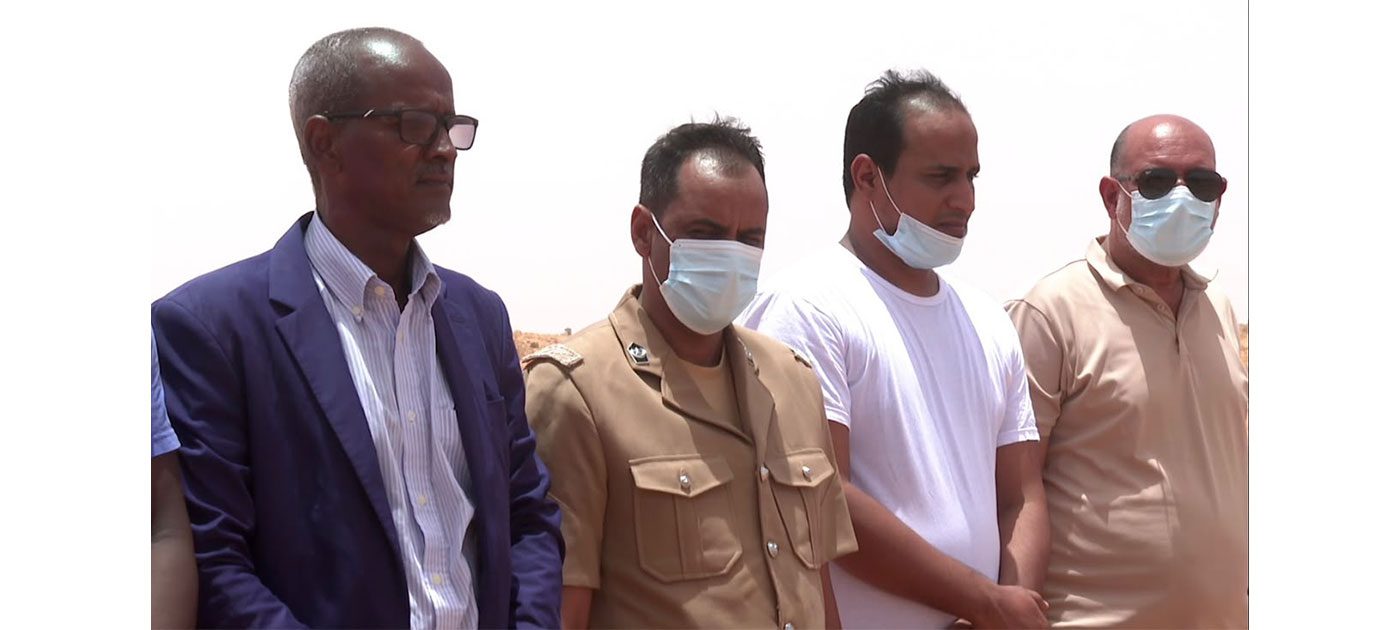
The Director of the Office of the Governor of Tiris Zemmour, Mr. Al-Hussein Ould Habibi, oversaw the destruction of three tons of expired medicines on Tuesday. The operation took place on the outskirts of the city of Tijikja. During the event, the Director of the Governor's Office emphasized that this action is part of the state's efforts to adhere to health standards. These standards mandate the neutralization of expired drugs due to the significant risks they pose. The destruction process is intended to ensure public health and safety by removing potentially harmful substances from circulation. This initiative reflects the government's commitment to maintaining quality control within the pharmaceutical sector. The event underscores the importance of regulatory compliance in safeguarding citizens' well-being. The proper disposal of expired medications is a critical component of public health infrastructure. This effort aims to prevent the misuse or accidental consumption of these unsafe products. The authorities are taking steps to enforce regulations and protect the population from health hazards associated with substandard or expired pharmaceuticals.
This event highlights a governmental effort to uphold public health standards by destroying expired pharmaceuticals. Such actions are crucial for preventing the circulation of potentially harmful substances and maintaining consumer safety. From a public health perspective, the systematic disposal of expired medications is a necessary component of regulatory oversight in the pharmaceutical supply chain. The initiative demonstrates a commitment to compliance with national and international health guidelines. Looking ahead, the effective management of pharmaceutical waste and the prevention of counterfeit or expired drugs entering the market will remain critical challenges. Robust regulatory frameworks and enforcement mechanisms are essential to ensure the integrity of healthcare systems and protect populations from health risks.
AI-generated to prompt reflection — not editorial opinion, not advice, not a statement of fact. How this works.