Mauritania's Food Security Commission Distributes Cash Aid to Over 13,000 Families
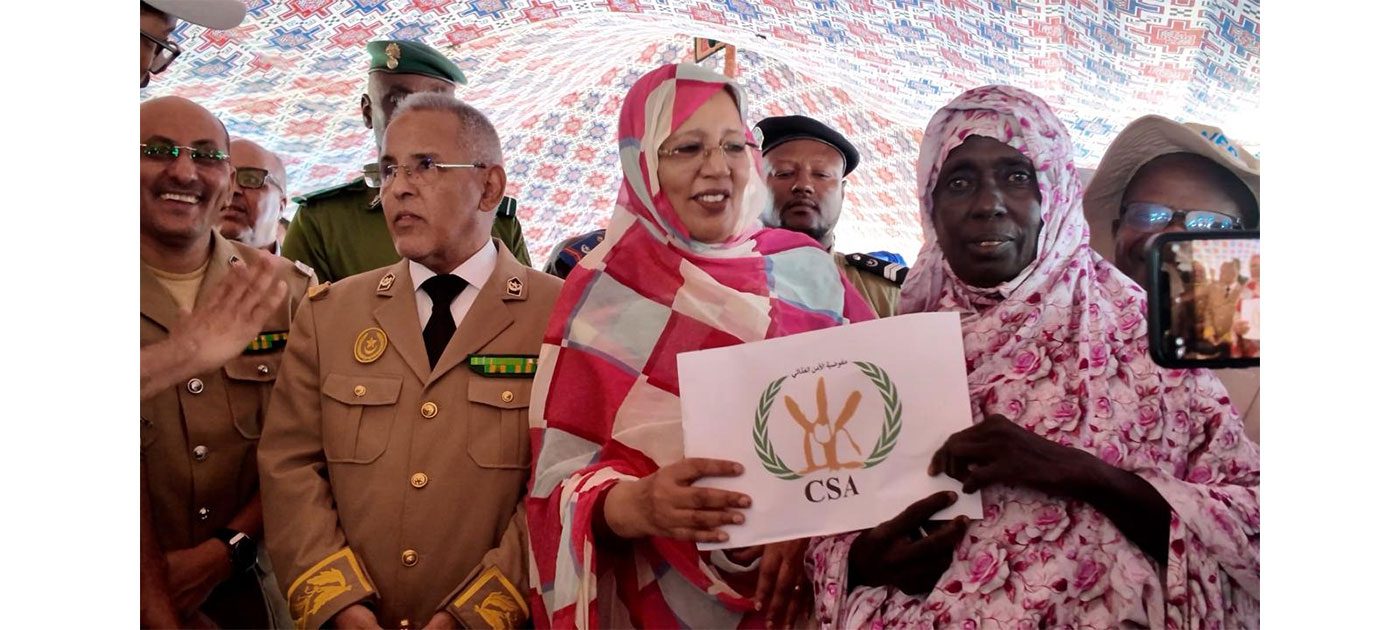
The Commissioner for Food Security, Ms. Fatimetou Mint Khairi, oversaw the launch of cash transfers for more than 13,000 families in the regions of Assaba and Guidimaka. The initiative, which began on Sunday in the municipality of Sani, Kankossa Department, involved a financial package exceeding 1.45 billion old Mauritanian Ouguiyas. The event was attended by the Governor of Assaba, Ahmedou Addahi Ekhneifir, and the Resident Representative of the World Food Programme in Mauritania. This program aims to provide direct financial assistance to vulnerable households, supporting their access to essential goods and services. The distribution is part of broader efforts to enhance food security and economic resilience within these communities. The specific details of who benefits beyond 'families' are not elaborated upon in the provided text, but the scale of the financial allocation suggests a significant impact on the recipients' immediate welfare. The program's implementation in Assaba and Guidimaka highlights a targeted approach to addressing food insecurity in specific regions of the country. The involvement of the World Food Programme underscores the international recognition of the challenges and the collaborative nature of the response.
This initiative represents a direct cash transfer program designed to bolster food security and economic stability for a significant number of households in Mauritania's Assaba and Guidimaka regions. By providing over 1.45 billion old Ouguiyas, the program leverages financial aid as a tool to empower recipients, allowing them to meet immediate needs and potentially stimulate local economies. The collaboration with the World Food Programme indicates a recognized need and a structured approach to humanitarian aid, aligning with global best practices in development assistance. Future evaluations could assess the program's long-term impact on household resilience, market dynamics, and the reduction of dependency, considering potential inflationary pressures or leakage within the distribution chain. The effectiveness will hinge on transparent implementation and mechanisms for accountability.
AI-generated to prompt reflection — not editorial opinion, not advice, not a statement of fact. How this works.