Mauritania's Water Minister Outlines Two-Pronged Approach to Drinking Water Supply
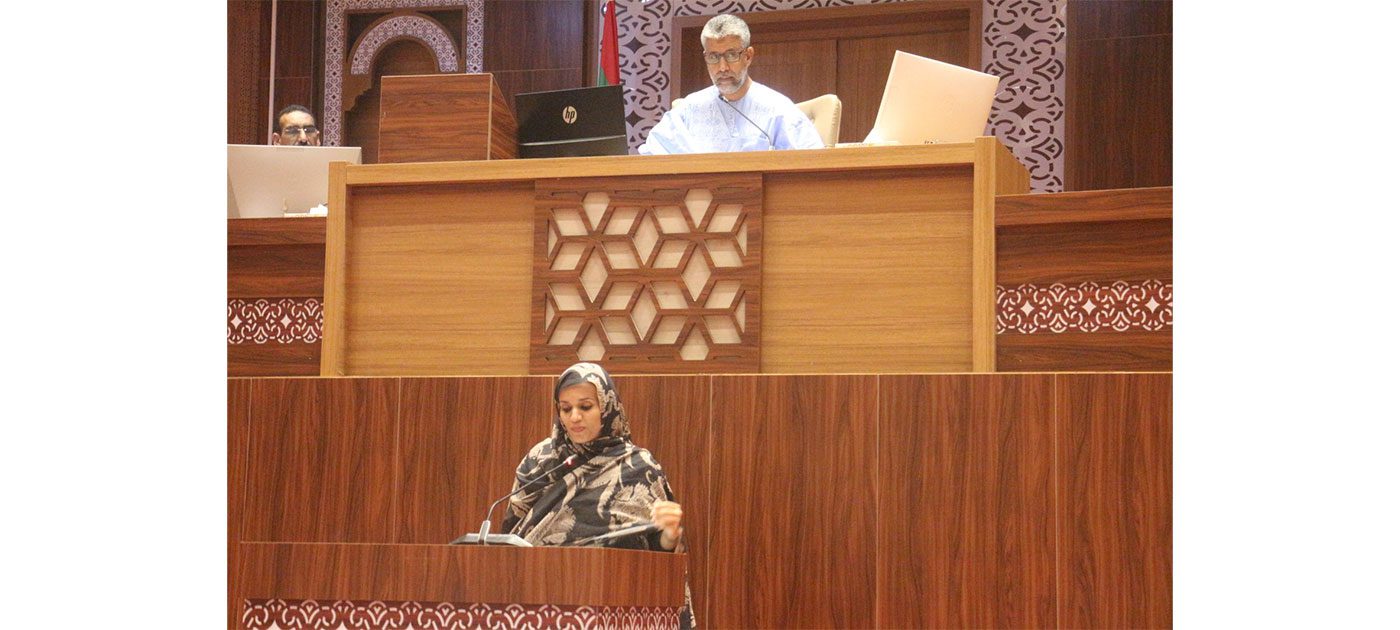
The Mauritanian National Assembly held a public session on Thursday, presided over by Deputy Speaker Ahmedou Ould Mohamed Mahfoudh Embaleh. The session focused on addressing two oral questions, accompanied by discussions, posed by MPs Mohamed Yahya Mestapha and Khally Mamadou Diallo. The questions were directed to the Minister of Water and Sanitation, Ms. Amal Mint Mouloud, concerning the state of drinking water availability in Mauritania. Minister Mint Mouloud detailed the government's strategy for ensuring access to potable water. She explained that the administration has adopted a dual-track approach to tackle the challenges related to water provision. This strategy aims to improve the current situation and guarantee a more reliable supply for the population. The specific details of the two tracks were discussed during the parliamentary session, allowing for a thorough examination of the government's plan. The exchange highlighted the importance of water security for the nation and the government's commitment to addressing it.
The Mauritanian government's adoption of a two-pronged strategy for drinking water supply reflects a common approach to addressing critical resource management challenges. This dual-track method likely aims to balance immediate relief with long-term infrastructure development and policy reform. Such strategies often involve immediate interventions like water trucking or temporary source development, alongside sustained investments in water treatment plants, distribution networks, and sustainable water source protection. The parliamentary discussion indicates a commitment to transparency and accountability in addressing public needs. Looking ahead, the success of this approach will depend on effective implementation, adequate funding, and the integration of climate resilience measures, given the increasing pressures on water resources in many arid and semi-arid regions.
AI-generated to prompt reflection — not editorial opinion, not advice, not a statement of fact. How this works.