Mauritanian National Assembly Approves Laws to Fund Development Programs
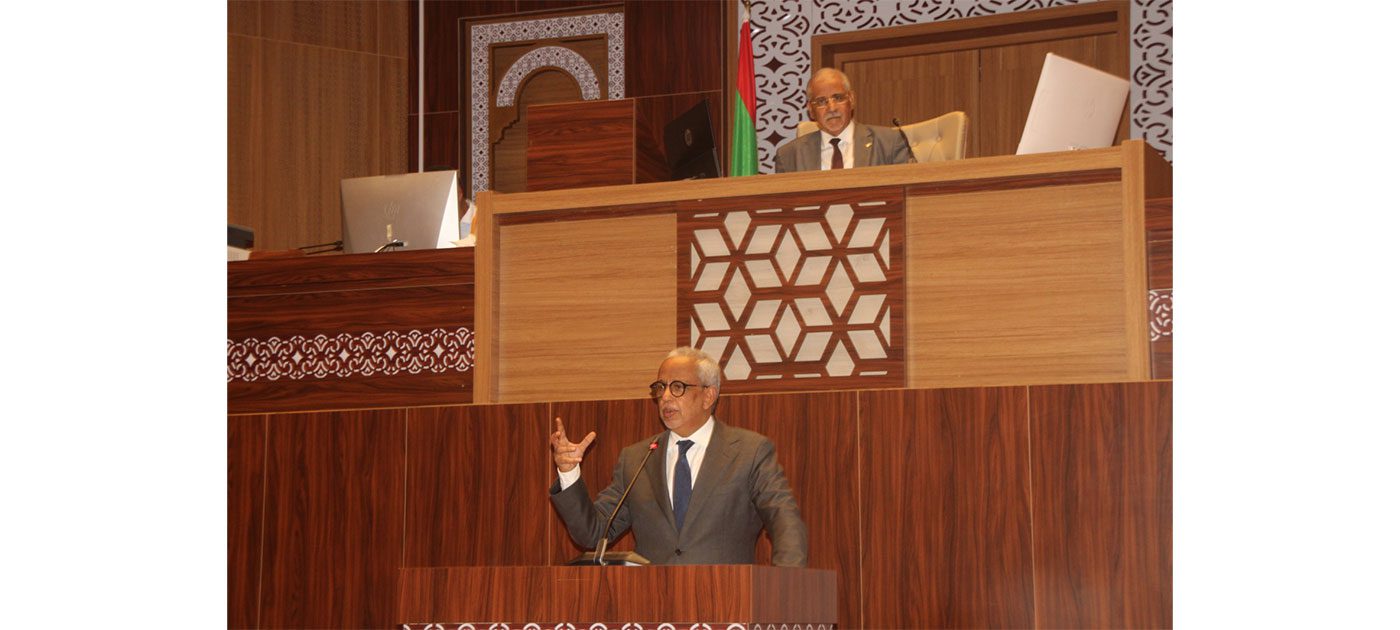
The National Assembly of Mauritania has approved three draft laws aimed at financing development programs within the country. The approvals occurred during a public session held on Friday morning, presided over by the Assembly's President, Mr. Mohamed Ould M'Barek Ould Beilil. The first draft law concerns the ratification of a framework agreement for financing through a "sale for future delivery" arrangement. This agreement was signed on June 19, 2026, between the Islamic Republic of Mauritania and the Islamic Development Bank. The details of the specific development programs to be funded by this agreement were not fully elaborated in the provided text. The National Assembly's legislative action signifies a commitment to securing financial resources for national development initiatives. This move is expected to facilitate the implementation of various projects designed to foster economic growth and improve living standards in Mauritania. The legislative process involved a public session, indicating transparency in the decision-making process.
The Mauritanian National Assembly's approval of these draft laws demonstrates a proactive approach to securing external financing for national development. The reliance on agreements with institutions like the Islamic Development Bank highlights a strategic choice to leverage international financial partnerships. This framework, particularly the "sale for future delivery" mechanism, suggests a structured approach to project funding, potentially aligning with the bank's developmental objectives. Future scrutiny should focus on the transparency of fund allocation, the efficacy of the implemented programs, and the long-term economic impact of such financial instruments on Mauritania's development trajectory, especially in the context of evolving global economic conditions and the increasing importance of sustainable development practices.
AI-generated to prompt reflection — not editorial opinion, not advice, not a statement of fact. How this works.