Mayo Zambada Accepts Life Sentence in US Custody
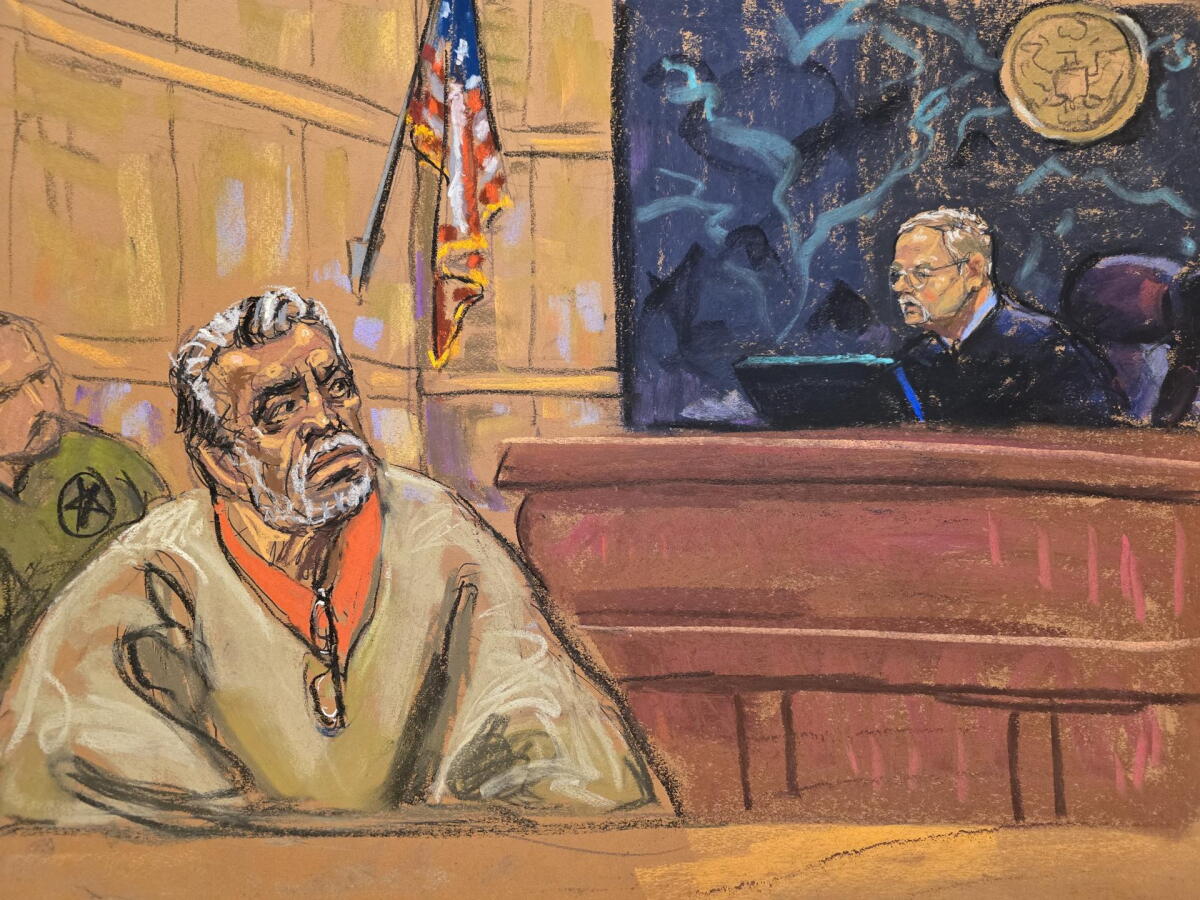
Ismael "Mayo" Zambada García, co-founder of the largest organized crime network in the Americas, has formally accepted his fate in New York justice. Zambada has acknowledged that he will spend the remainder of his life incarcerated. This development marks a significant moment after decades of operating in the shadows. His legal posture before the New York court indicates a surrender to the charges he faces. The cartel leader has been a fugitive for many years, evading capture by various law enforcement agencies. His eventual placement in US custody, though details of the capture are not provided, signifies a major blow to the Sinaloa Cartel. Zambada's long-standing role as a key figure in international drug trafficking has been a subject of intense scrutiny. His acceptance of a life sentence suggests a strategic decision, possibly to avoid a protracted legal battle or to secure certain conditions. The implications for the ongoing fight against organized crime in Mexico and the United States are substantial.
The formal acceptance of a life sentence by Ismael "Mayo" Zambada García, a prominent figure in international organized crime, signifies a critical juncture in law enforcement's efforts against major drug cartels. This development, occurring after decades of evasion, suggests a shift in strategic calculus, potentially influenced by evolving enforcement capabilities and the inherent risks of prolonged fugitive status. From a systemic perspective, Zambada's incarceration, regardless of the specific circumstances of his apprehension, addresses a key node in the complex network of illicit drug supply chains. The long-term impact will depend on the ability of successor figures and organizations to fill the void, and on the continued effectiveness of international cooperation in dismantling these transnational criminal enterprises. This event underscores the persistent challenge of combating deeply entrenched criminal organizations and highlights the ongoing need for adaptive strategies that address both leadership and the underlying economic and social factors that enable such activities.
AI-generated to prompt reflection — not editorial opinion, not advice, not a statement of fact. How this works.