Mayor Coronel Sandro Claims Civil Police Operation Targeted His Son
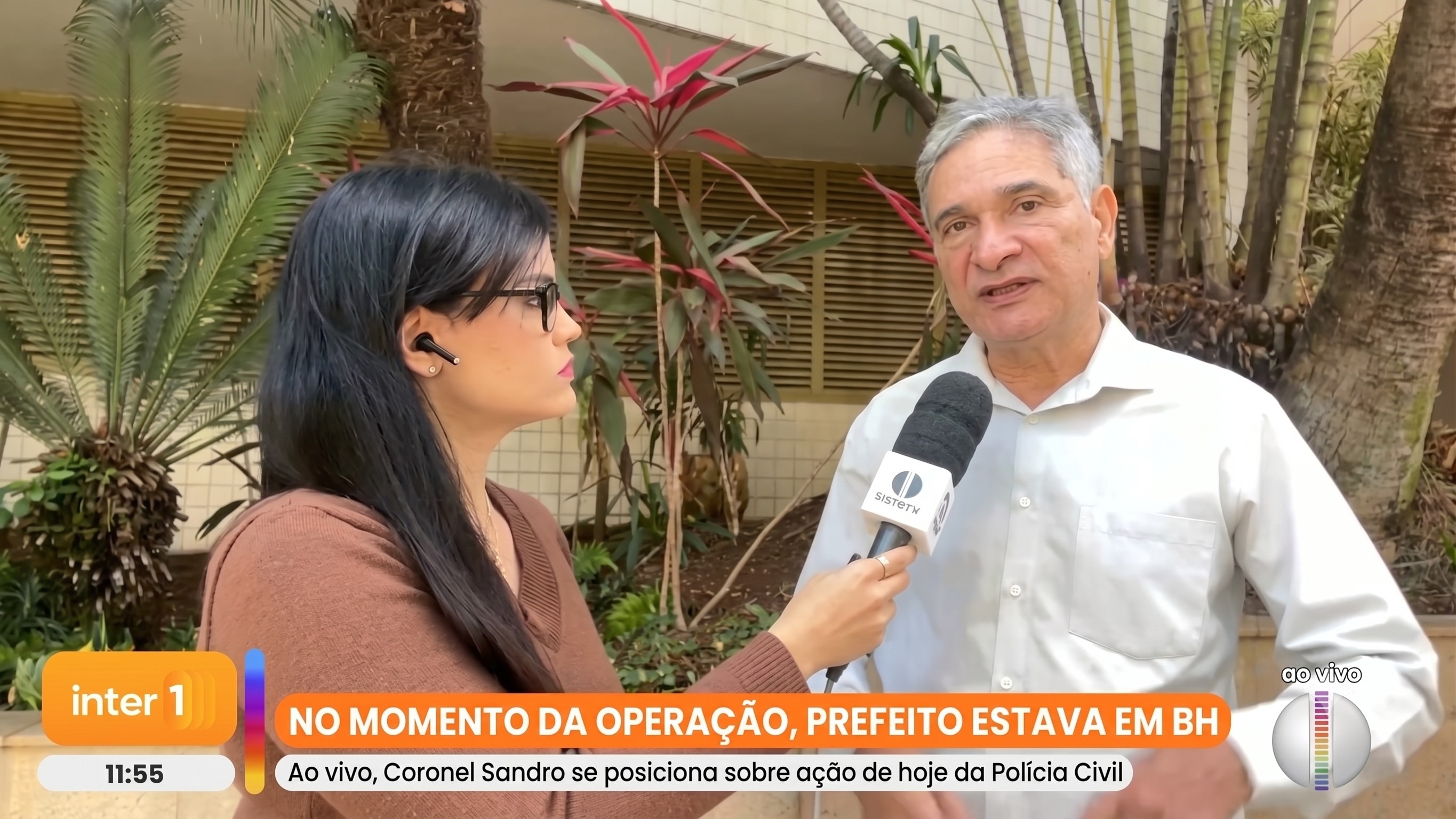
Governador Valadares Mayor Coronel Sandro (PL) stated on Friday, May 24th, that a Civil Police operation involving search and seizure warrants at properties linked to his family was aimed at his son, Marco Aurélio. Speaking in a live interview, the mayor announced his intention to appeal the judicial decision authorizing the searches. Coronel Sandro emphasized that the operation was not related to the Governador Valadares City Hall, its administration, or public servants, but was specifically directed at one of his children. He was in Belo Horizonte when the warrants were executed; police visited his residence there inquiring about his son. The mayor described the operation as "infamous" and "unjust," asserting that his legal team would challenge the warrants due to alleged irregularities, particularly questioning the jurisdiction of the Governador Valadares court for his case. He also noted the unusual nature of search warrants being issued for an investigation into alleged defamation. His son is reportedly being investigated for alleged online defamation and for spreading messages via billboards across the city. The businessman mentioned by the mayor declined to comment, stating his name was "frivolously mentioned" and that he supports institutional independence. The Civil Police confirmed the warrants were executed as part of an investigation into alleged crimes against honor, clarifying no arrests were made and withholding further details due to the investigation's secrecy. This operation occurs shortly after Coronel Sandro's reinstatement as mayor on May 21st, following a Supreme Federal Court (STF) decision that suspended his prior mandate cassation by the Municipal Chamber.
The reported Civil Police operation, involving search and seizure warrants at properties connected to Mayor Coronel Sandro and his son, highlights potential tensions between political figures and law enforcement. The mayor's assertion that the operation targeted his son for alleged online defamation, rather than his mayoral duties, frames the event as a personal or familial matter. However, the execution of warrants at the mayor's residence and his public reaction suggest a broader implication for his administration and public trust. The investigation into alleged defamation via social media and billboards points to the evolving challenges of regulating public discourse in the digital age and its intersection with traditional forms of communication. The legal challenge based on jurisdictional grounds and alleged irregularities in warrant authorization underscores the importance of due process and the separation of powers. Future scrutiny may focus on the proportionality of law enforcement actions in defamation cases and the potential for political motivations to influence investigative processes, particularly given the mayor's recent reinstatement following an STF decision.
AI-generated to prompt reflection — not editorial opinion, not advice, not a statement of fact. How this works.