Mbalula Defends Controversial Cabinet Appointment, Citing Redemption
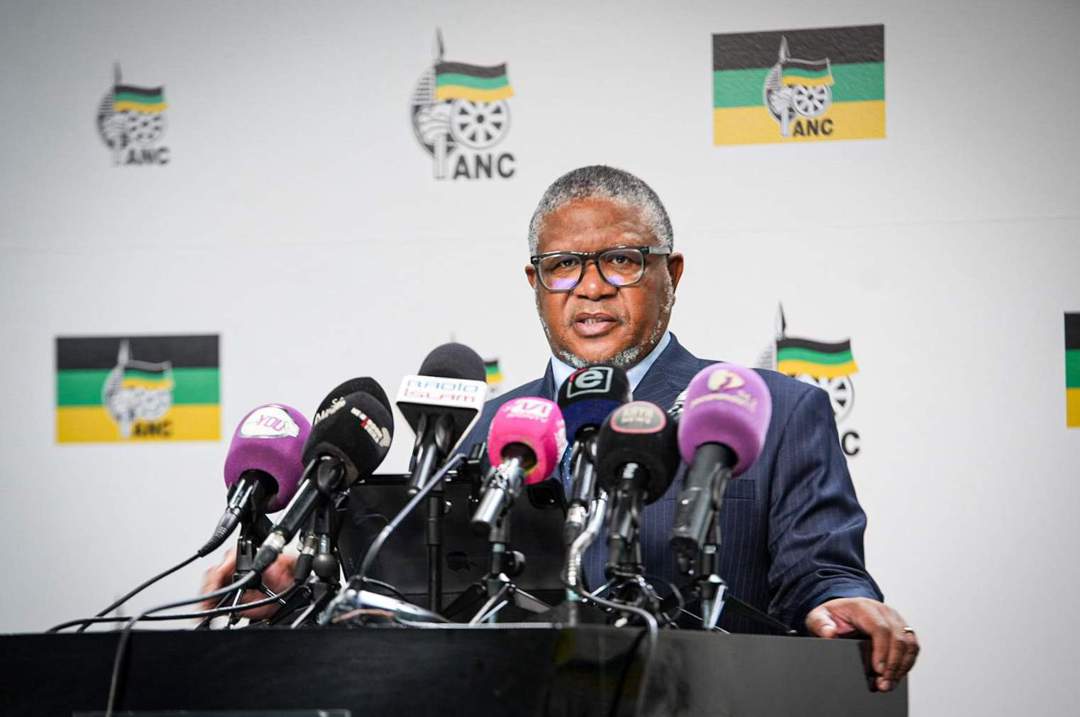
ANC secretary-general Fikile Mbalula has strongly defended a recent Cabinet appointment, arguing against permanent condemnation for individuals. Mbalula invoked a decade of quiet atonement and a pre-institutional "Council of Elders" process to support the decision. He framed the appointment within the broader political context of redemption, suggesting that individuals should not be permanently excluded from public life. This defense comes amidst significant controversy surrounding the chosen individual's return to the Cabinet. The justification highlights the ANC's internal mechanisms for dealing with past transgressions and reintegrating members into political roles. Mbalula's remarks suggest a belief in the possibility of rehabilitation and a second chance for politicians.
The justification for this Cabinet appointment centers on the principle of political redemption, suggesting that past actions do not necessitate permanent exclusion from public service. This approach raises questions about accountability versus rehabilitation within political structures. The invocation of a "Council of Elders" and a decade of quiet atonement points to an internal party process designed to manage reputational damage and facilitate reintegration. Such mechanisms, while potentially offering pathways for renewal, also warrant scrutiny regarding their transparency and the criteria for assessing genuine atonement versus political expediency. The long-term implications for public trust and governance standards will depend on the perceived fairness and rigor of these internal processes.
AI-generated to prompt reflection — not editorial opinion, not advice, not a statement of fact. How this works.