Mbappé and Messi's Near-Identical World Cup 2026 Knockout Stage Experiences
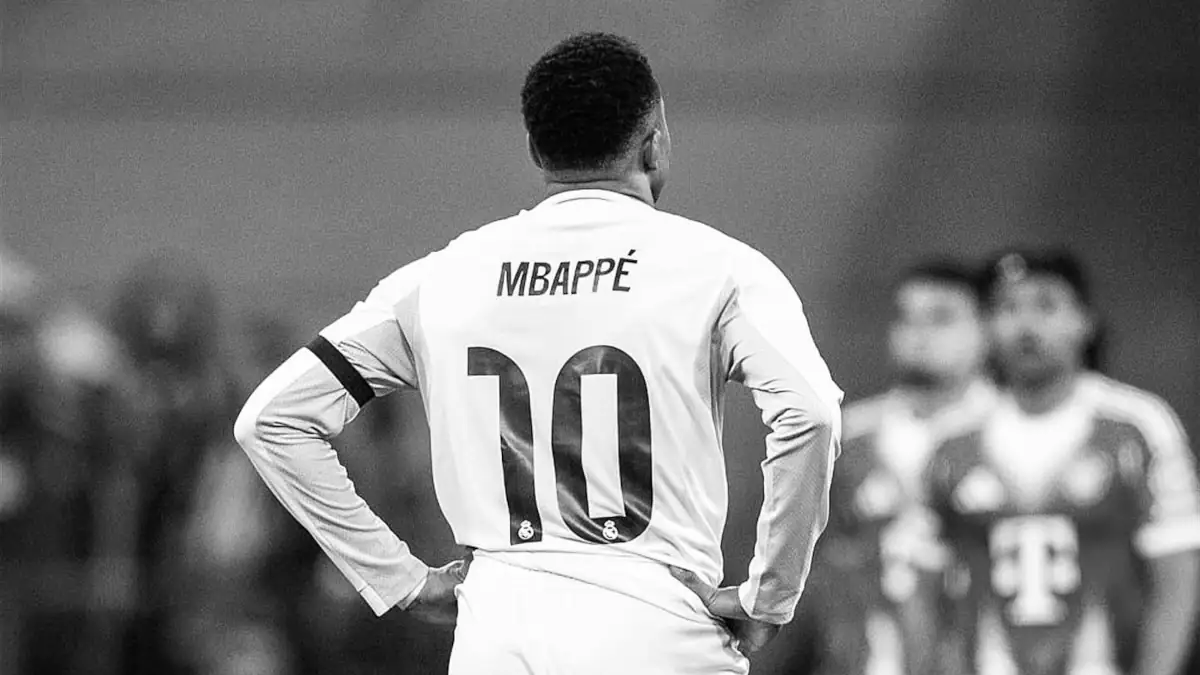
Kylian Mbappé and Lionel Messi experienced remarkably similar scenarios in the knockout stages of the 2026 World Cup, separated by only a few days. On July 7th, Argentinian forward Lionel Messi missed a penalty against Egypt. However, he quickly redeemed himself by providing an assist and scoring the equalizing goal in the round of 16. Shortly thereafter, French striker Kylian Mbappé faced a comparable situation. He also missed a penalty, but like Messi, he responded with a decisive performance. Mbappé went on to score a crucial goal, demonstrating resilience after his initial miss. Both superstars showcased their ability to recover from setbacks on the global stage. Their parallel experiences highlight the immense pressure and high stakes of World Cup knockout matches. The events underscore the mental fortitude required of elite athletes when facing critical moments in major tournaments. This season of the World Cup saw these two prominent players navigate similar challenges with contrasting yet ultimately successful outcomes.
The parallel experiences of Kylian Mbappé and Lionel Messi in the 2026 World Cup knockout stages, involving a missed penalty followed by a decisive contribution, illustrate the psychological pressures inherent in high-stakes football. While individual resilience is key, such moments also reflect the systemic importance of robust penalty-taking strategies and mental preparation protocols within elite teams. The recurrence of similar challenges for top players suggests a need for continuous refinement of psychological support systems, especially as tournament intensity escalates. Future football development may focus more on mitigating the impact of single errors through enhanced team-wide performance analytics and adaptive coaching methodologies, ensuring that individual moments of pressure do not disproportionately affect overall team success in the evolving landscape of global competition.
AI-generated to prompt reflection — not editorial opinion, not advice, not a statement of fact. How this works.