Mbappé's Defensive Efforts in 2026 World Cup Compared to Real Madrid Standards
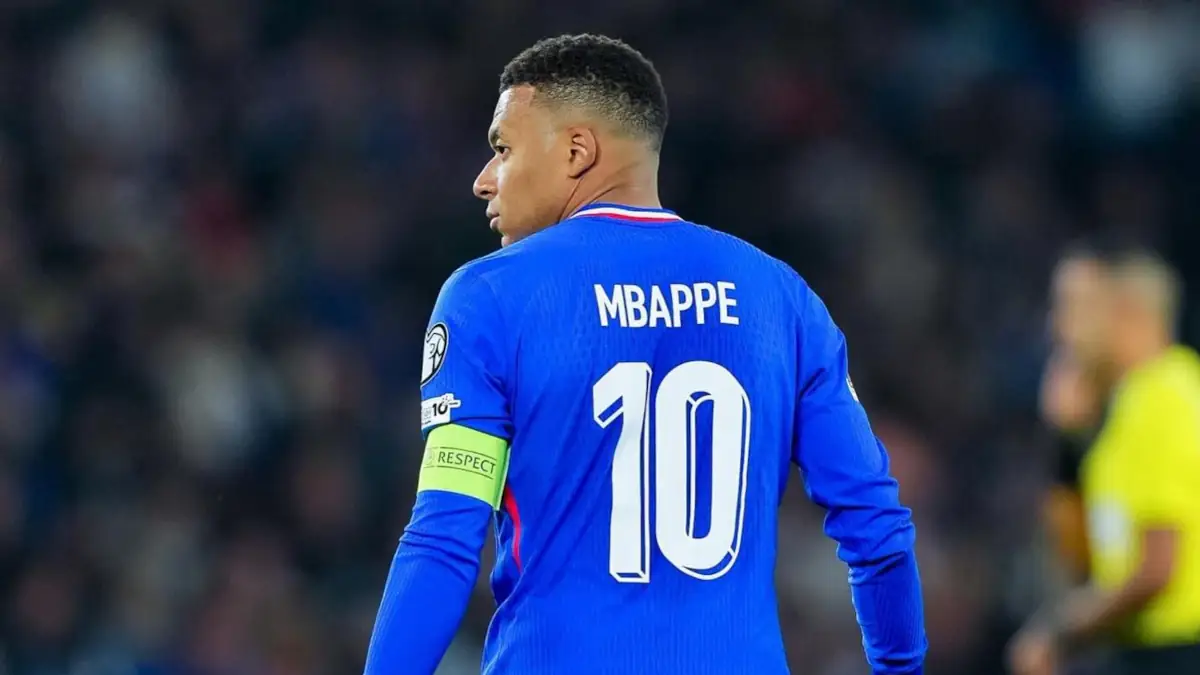
Kylian Mbappé has been delivering exceptional performances for the French national team throughout the 2026 World Cup. The Real Madrid forward has already accumulated six goals and two assists in just four matches. These impressive statistics, recently highlighted by RMC Sport, have sparked discussion regarding his overall contribution to the team. While his offensive output is undeniable, his defensive work rate has also drawn attention. Some analyses suggest that his defensive engagement, particularly in crucial moments, is being scrutinized. This scrutiny is reportedly being compared to the high standards expected of players at his club, Real Madrid. The club is known for its demanding tactical discipline, which often requires forwards to contribute significantly to defensive phases. The comparison aims to assess whether Mbappé's current defensive efforts align with the expectations placed upon him as a star player for both club and country. His dual role as a prolific scorer and a player expected to contribute defensively is under the spotlight as the tournament progresses.
Kylian Mbappé's dual role as a star forward and a defensively engaged player at the 2026 World Cup invites analysis through the lens of modern football's evolving tactical demands. The comparison to Real Madrid's rigorous standards highlights the increasing expectation for elite attackers to contribute across all phases of play, not solely in offense. This trend reflects a broader systemic shift in professional football, driven by data analytics and a quest for marginal gains in performance. Evaluating Mbappé's defensive contributions against club expectations prompts consideration of player workload management and the potential trade-offs between offensive freedom and defensive responsibility. As football continues its trajectory towards greater tactical specialization and physical intensity, understanding how players like Mbappé adapt and balance these demands will be crucial for both individual success and team strategy in the coming decade.
AI-generated to prompt reflection — not editorial opinion, not advice, not a statement of fact. How this works.