Mechanic Builds Unique "Rat Rod" From Scrap Over a Decade in Brazil
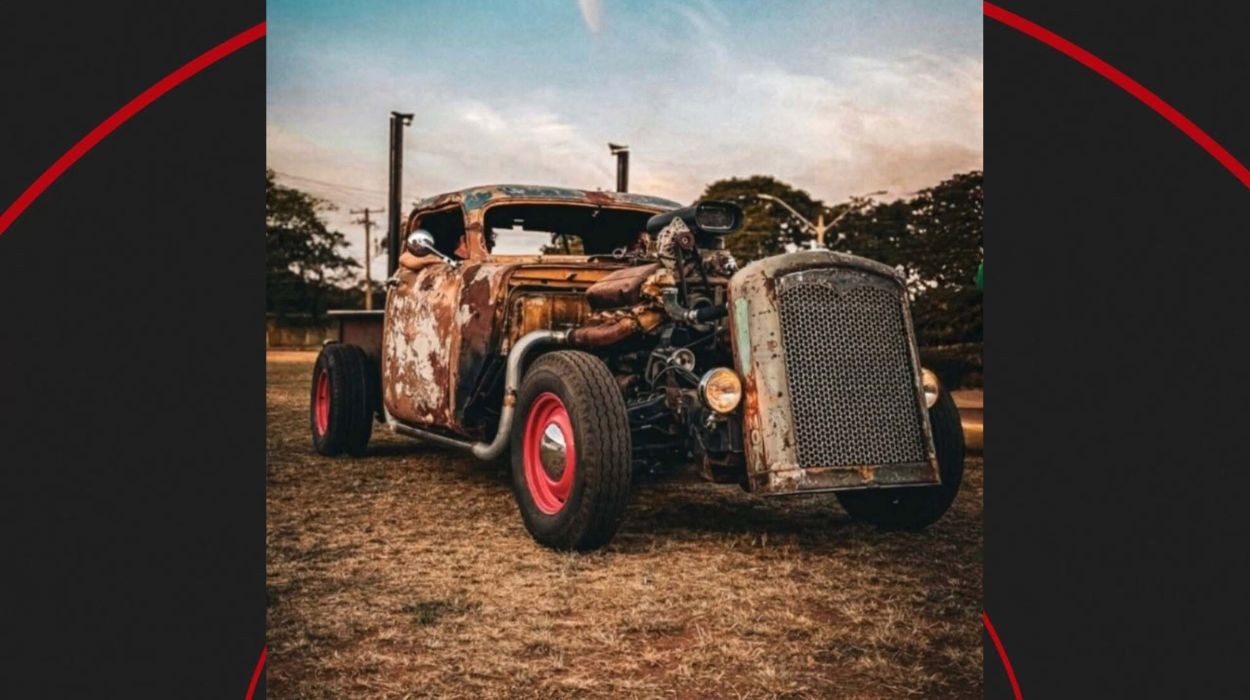
In Araraquara, São Paulo, Brazil, locomotive mechanic Luiz Milani, 46, has completed a decade-long project to build a unique "rat rod" vehicle entirely from scrap and repurposed parts. This customized car style is characterized by its intentionally rustic and worn appearance, contrasting with the polished finish of traditional hot rods. Milani's creation is noticeable even before it's seen, thanks to its rusty aesthetic and a deep engine rumble that can be heard from a distance. The project began ten years ago when Milani decided to create a rat rod distinct from anything he found online, utilizing a Detroit Diesel 6V-53 engine, originally from a truck and sourced from a scrapyard. He emphasized his passion for the raw style, creativity, and freedom offered by the rat rod concept, where each detail reflects the builder's personality. The construction involved extensive research, creativity, and scavenging for materials from scrapyards and other projects. A significant challenge was adapting each component to work together safely, particularly the mechanical and structural modifications required to accommodate the large Detroit Diesel engine. Despite difficult moments, Milani's passion for the project fueled his persistence. The completed rat rod represents the realization of a dream, a testament to years of dedication, learning, and perseverance, with each part holding a personal memory and contributing to the narrative of his journey. The vehicle's unique design and craftsmanship have garnered significant attention and admiration from the public, validating Milani's efforts and celebrating his artisanal work and creativity.
This narrative highlights an individual's dedication to a long-term, self-funded creative project, transforming discarded materials into a functional and aesthetically distinct vehicle. The story underscores the value placed on artisanal skill and personal expression within a subculture that embraces unconventional aesthetics. From a systems perspective, such projects can demonstrate innovative resource utilization and the potential for individuals to create unique value outside of mainstream industrial production. The decade-long development cycle also points to the personal commitment and iterative problem-solving required for complex, non-standard engineering feats. Future developments in personal fabrication technologies and the circular economy may offer new avenues for similar endeavors, potentially reducing reliance on new manufacturing and fostering a culture of repair and reuse.
AI-generated to prompt reflection — not editorial opinion, not advice, not a statement of fact. How this works.