Mechanism of Red Yeast Rice Supplement Kidney Damage Revealed
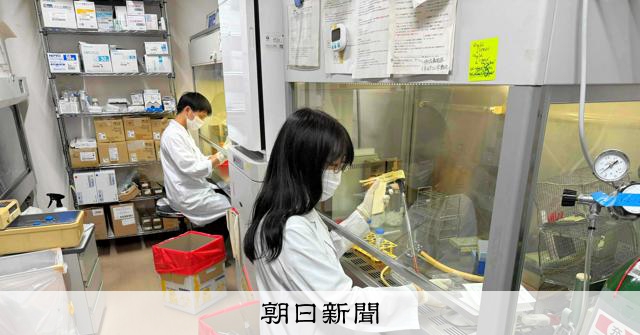
Researchers have elucidated the mechanism behind kidney damage caused by red yeast rice supplements. The study indicates that damage to mitochondria, the powerhouses of cells, precedes the onset of kidney dysfunction. This finding is crucial for understanding the adverse effects associated with red yeast rice, a popular dietary supplement derived from the fermentation of Monascus purpureus rice.
Red yeast rice is often used to manage cholesterol levels, but it has been linked to unexplained kidney problems. The new research suggests that a specific component or byproduct of the fermentation process leads to mitochondrial dysfunction. This cellular damage then triggers a cascade of events resulting in kidney injury. Further investigation is needed to identify the exact causative agent within red yeast rice and to develop strategies for preventing such adverse reactions.
The discovery of mitochondrial damage as a precursor to kidney issues from red yeast rice supplements highlights a critical pathway for cellular toxicity. This finding underscores the importance of rigorous scientific scrutiny for all dietary supplements, even those derived from traditional sources. Future regulatory frameworks may need to consider cellular-level impacts more proactively, especially as the supplement market continues to expand. Understanding these mechanisms can inform safer product development and provide clearer guidance for consumers, mitigating potential public health risks associated with widely consumed products.
AI-generated to prompt reflection — not editorial opinion, not advice, not a statement of fact. How this works.