Medellín Metro Clarifies Ownership Amidst Stock Market Entry
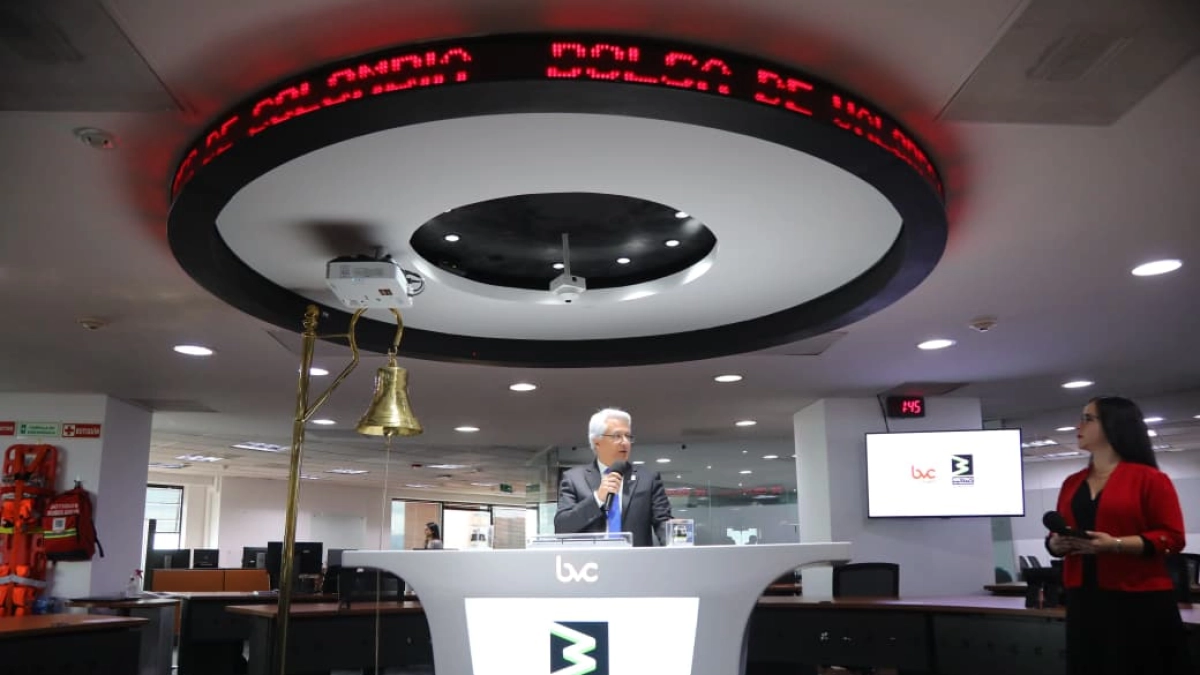
The Medellín Metro has entered the stock market by issuing sustainable bonds aimed at funding mobility projects. This move has raised questions about potential changes in ownership, prompting the company to provide clarification. The Metro de Medellín's decision to access capital markets through these bonds signifies a strategic step towards financing future development and infrastructure enhancements. The issuance of sustainable bonds specifically targets projects that align with environmental and social governance principles, reflecting a commitment to responsible growth. This financial strategy allows the Metro to raise funds without necessarily altering its fundamental ownership structure, as the bonds represent debt rather than equity. The company aims to assure the public and stakeholders that its core mission and operational integrity remain intact. Further details on the specifics of the bond issuance and its implications for the Metro's governance and future projects are expected to be released.
The Medellín Metro's entry into the stock market via sustainable bonds represents a novel approach to infrastructure financing in Latin America. This strategy leverages capital markets to fund public mobility projects, potentially offering a more sustainable and diversified funding stream than traditional government allocations. The issuance of bonds, particularly those designated as 'sustainable,' signals an alignment with global ESG trends and may attract a broader investor base interested in impact investing. However, this financial maneuver necessitates careful governance to ensure transparency and accountability, especially regarding the use of funds and the long-term implications for public service delivery. The success of this model could set a precedent for other public transportation systems seeking innovative funding solutions in an era of increasing fiscal constraints and evolving investor expectations.
AI-generated to prompt reflection — not editorial opinion, not advice, not a statement of fact. How this works.
