Media are a primary target of Russian aggression against Ukraine, says official
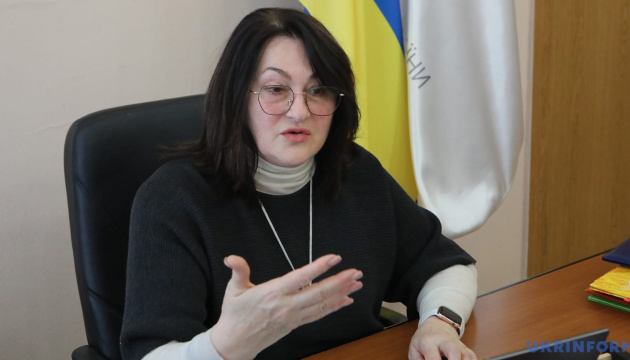
Olha Herasymiuk, head of the National Council on Television and Radio Broadcasting, has emphasized the digital security of media outlets. She stated that the media are among the primary targets of the Russian Federation in its hybrid aggression against Ukraine. This highlights the critical role of media and its vulnerability in the ongoing conflict. The focus on digital security underscores the evolving nature of warfare, extending beyond physical confrontation to encompass information and cyber domains. Herasymiuk's statement points to the strategic importance Russia places on influencing or disrupting Ukrainian media landscapes. This strategy is likely aimed at shaping public opinion, spreading disinformation, and undermining national unity. Consequently, ensuring the robust digital security of media organizations is presented as a crucial defense measure.
The assertion that media are a primary target in the conflict underscores the strategic importance of information control in modern warfare. Russia's alleged targeting of Ukrainian media, particularly in the digital sphere, suggests a sophisticated hybrid warfare approach. This strategy aims to influence narratives, sow discord, and potentially destabilize Ukrainian society by manipulating the information ecosystem. From a systems perspective, this highlights the critical need for enhanced cybersecurity measures within media organizations and robust national strategies to counter disinformation campaigns. The long-term implications involve a continuous arms race in the digital domain, where resilience and adaptability of information infrastructure will be paramount for national security and democratic stability in the coming decade.
AI-generated to prompt reflection — not editorial opinion, not advice, not a statement of fact. How this works.