Media Freedom: Distinguishing Fact from Fiction
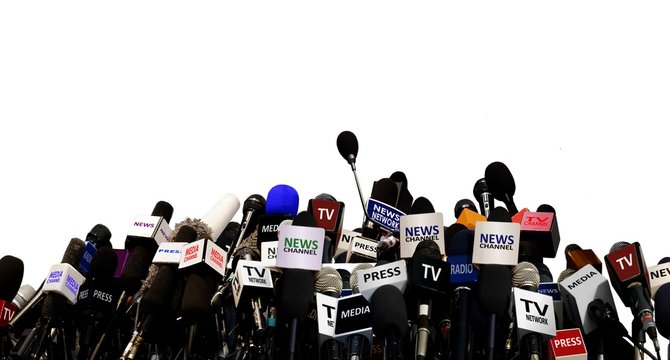
For many years, media freedom has been considered a cornerstone of democratic societies. Nations are assessed, governments are held accountable, and journalists are either praised or condemned based on the unrestricted flow of information within their territories. However, veteran journalist and media scholar Dr. Maurice Mwaffisi suggests that a crucial aspect of this concept is frequently overlooked. He implies that the perception and reality of media freedom may not always align, and that certain nuances are often missed in public discourse. Dr. Mwaffisi's perspective highlights the complexity of measuring and understanding media freedom beyond simple metrics. The discussion aims to delve deeper into what constitutes genuine media freedom and how it is practically experienced.
The discourse around media freedom often frames it as a simple binary of 'free' or 'not free,' influenced by international rankings and public perception. However, Dr. Mwaffisi's commentary suggests a more nuanced reality, potentially involving the gap between the ideal of unfettered information flow and the practical challenges faced by journalists and media organizations. Future analysis should explore the systemic factors that shape media environments, such as regulatory frameworks, economic pressures, and the evolving digital landscape, to understand how these elements contribute to or detract from genuine media freedom in the long term. Examining these underlying structures can offer a more robust understanding than relying solely on broad declarations or rankings.
AI-generated to prompt reflection — not editorial opinion, not advice, not a statement of fact. How this works.