Media Freedom in Bangladesh: A 55-Year Retrospective
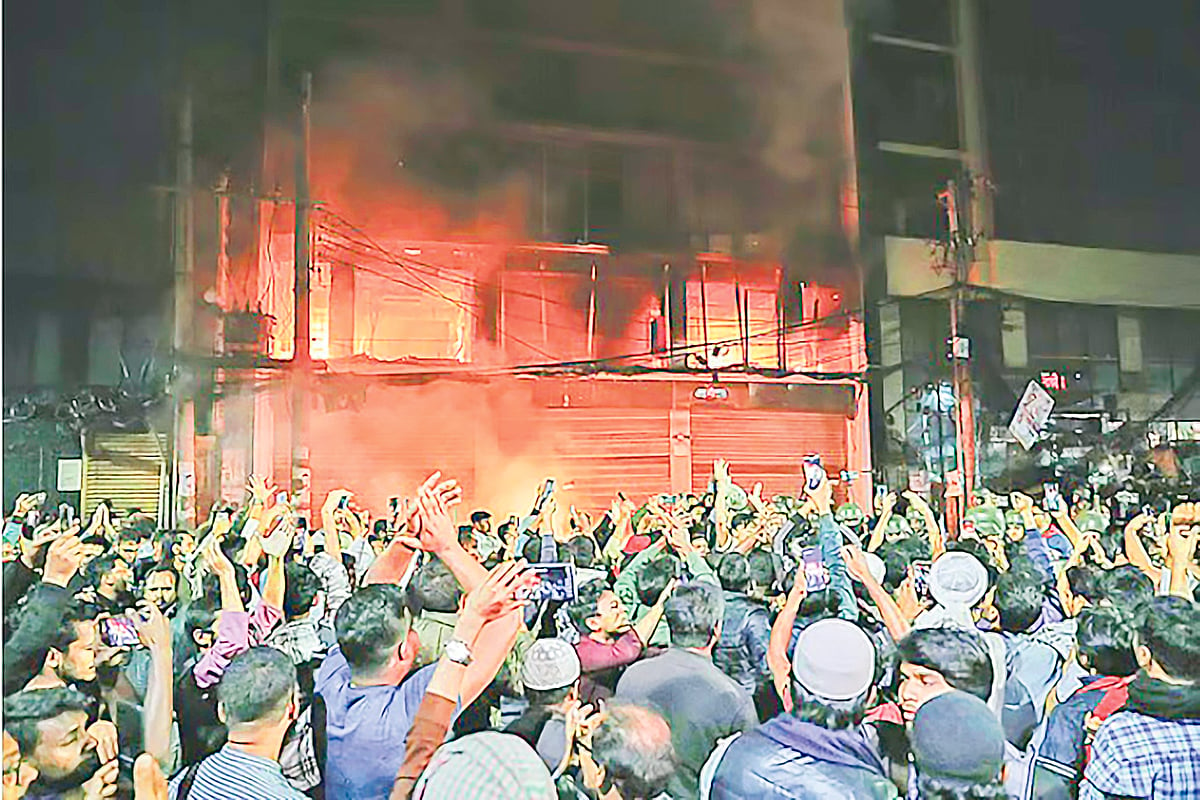
The most independent media landscape in Bangladesh's history emerged between 1991 and 2006, a period characterized by competitive parliamentary politics. This suggests that media freedom is not a gift from a particular political party, but rather a consequence of genuine political competition. The article, written by Rizwan-ul-Alam, examines the state of media freedom in the country over its 55-year history. It highlights that the conditions fostering media independence are rooted in robust democratic processes and the presence of a vibrant political opposition. The author implies that a decline in political competition could directly correlate with a reduction in media autonomy. The historical context provided by the 1991-2006 period serves as a benchmark for assessing current and future media freedoms. The piece aims to understand how the evolution of the political system has impacted the ability of news organizations to operate freely and report without undue influence. Ultimately, the article seeks to answer the question of what has become of media freedom in Bangladesh across its 55-year existence.
The historical trajectory of media freedom in Bangladesh, as indicated by the 1991-2006 period, suggests a strong correlation between competitive political environments and journalistic independence. This perspective implies that systemic factors, such as the robustness of democratic institutions and the presence of genuine political contestation, are more significant drivers of media autonomy than specific government policies or party affiliations. Evaluating the current state of media freedom requires an objective assessment of the prevailing political dynamics and their impact on the information ecosystem. Future developments in media freedom will likely depend on the strength and resilience of Bangladesh's democratic processes and the capacity of its political actors to foster an environment where diverse voices can be heard without fear of reprisal, aligning with global trends towards greater transparency and accountability in governance.
AI-generated to prompt reflection — not editorial opinion, not advice, not a statement of fact. How this works.