Media Giants Eye Broadcasting Rights for 2030 & 2034 World Cups Amid Potential $2 Billion Bidding War
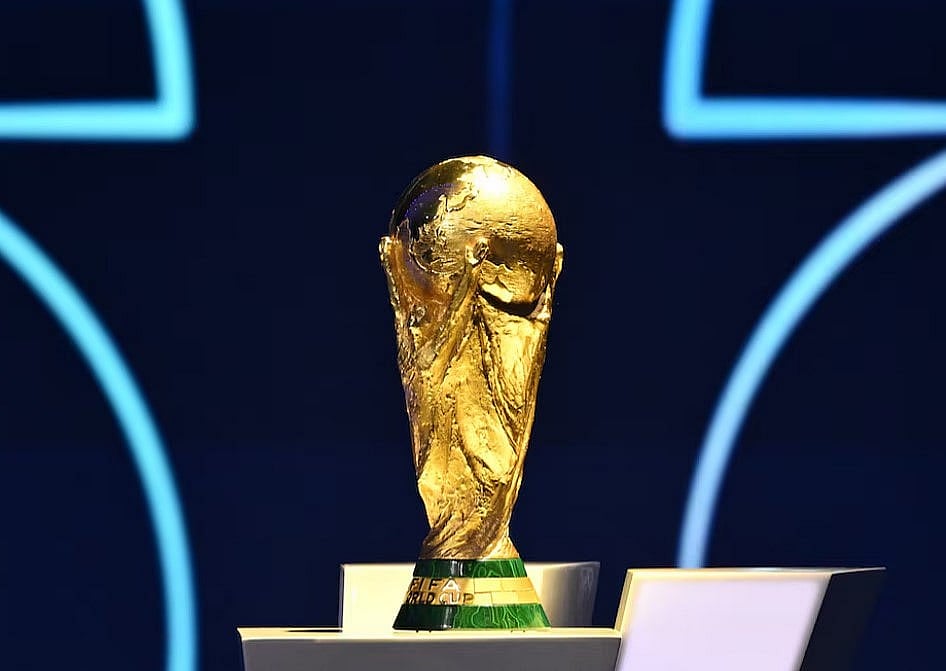
The battle for broadcasting rights for the 2030 and 2034 FIFA World Cups is heating up, with major media and streaming companies preparing to spend billions of dollars. Netflix, Disney, and YouTube, owned by Alphabet, are reportedly gearing up to challenge current rights holder Fox for the lucrative contracts. This potential shift could see World Cup broadcasting move from traditional television to streaming platforms. Amazon, which holds UEFA Champions League rights in the UK, and Apple, the global rights holder for Major League Soccer, are also expected to enter the competition, setting the stage for an intense bidding war.
FIFA is expected to begin formal discussions with potential media partners within the next three months. Sources indicate that FIFA is considering selling the English and Spanish language broadcasting rights together, a departure from previous World Cups where they were sold separately. For the current 2026 World Cup, Fox paid $485 million for the English rights in North America, while NBCUniversal's Telemundo paid $600 million for the Spanish rights. Media companies are reportedly planning to spend between $1.5 billion and $2 billion for all language rights in the United States for the 2030 and 2034 tournaments.
While time zone differences for the 2030 (Morocco, Portugal, Spain) and 2034 (Saudi Arabia) World Cups present challenges for US viewers, record viewership in the current tournament suggests that future broadcasting rights could command significantly higher prices. The Portugal-Croatia match, which did not feature the US, drew over 11 million viewers on Fox, becoming the most-watched World Cup match in US history without the American team's participation. This strong viewership, even for non-US matches, underscores the immense commercial appeal and potential for increased rights values.
The intense competition for FIFA World Cup broadcasting rights highlights a significant shift in media consumption, with streaming platforms leveraging major sporting events to drive subscriber growth. This dynamic suggests a potential redefinition of sports broadcasting's economic model, moving away from traditional ad-supported television towards subscription-based streaming services. FIFA's consideration of bundling English and Spanish rights could optimize revenue, but it may also consolidate market power, potentially excluding smaller players and increasing the financial burden on dominant platforms. The substantial projected spending reflects the perceived value of live sports in an increasingly fragmented media landscape, yet the long-term sustainability of such high valuations warrants scrutiny, especially given the inherent challenges of time zone differences impacting live viewership for major global events.
AI-generated to prompt reflection — not editorial opinion, not advice, not a statement of fact. How this works.