Media is a key driver of decolonization, says Abbas Abbasov
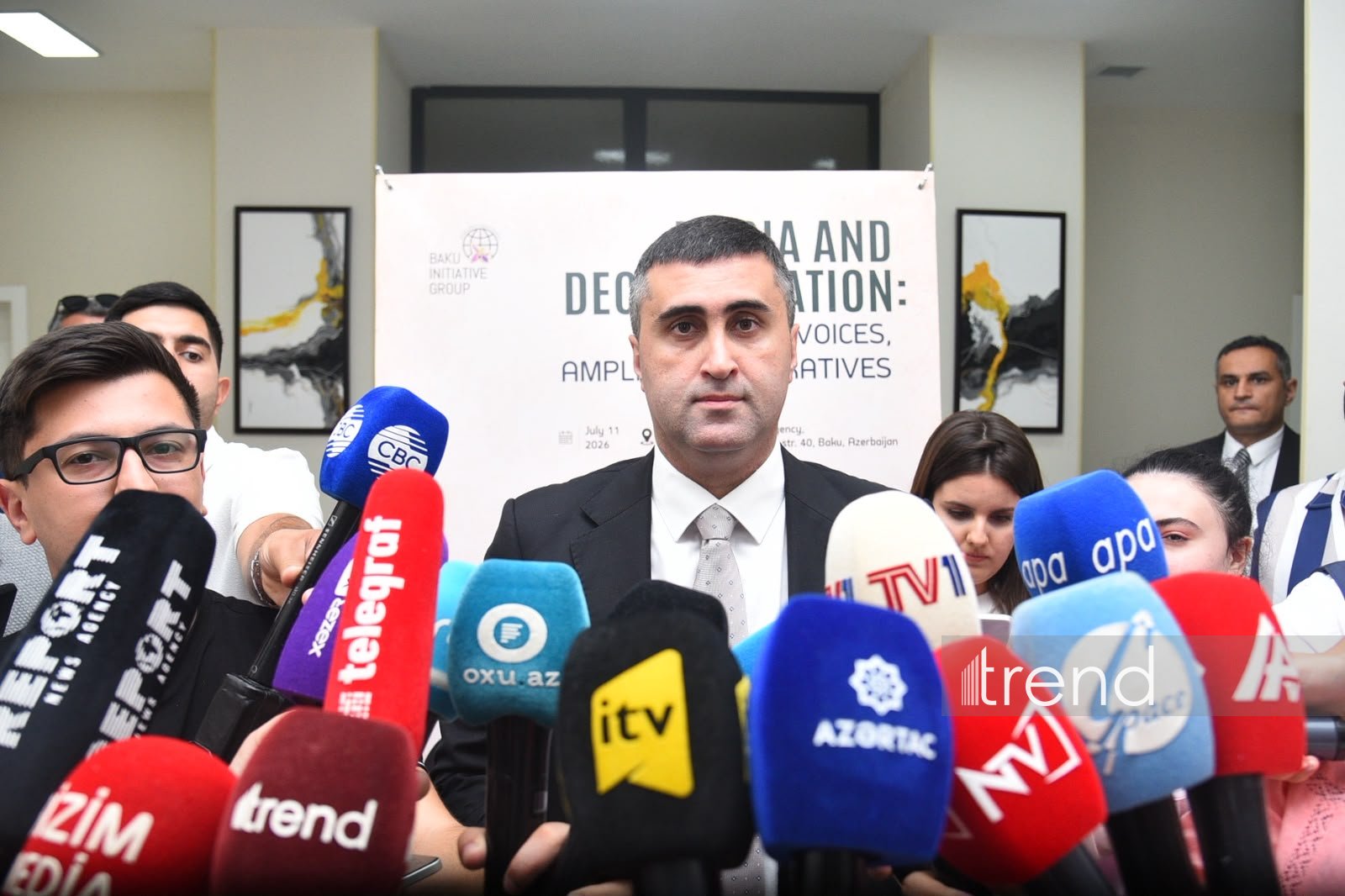
Abbas Abbasov, identified as a key figure in the media landscape, has stated that media plays a crucial role as one of the primary driving forces behind the process of decolonization. He emphasized that the media's influence is instrumental in dismantling colonial structures and fostering independent thought and identity. Abbasov's remarks highlight the significant power of media platforms in shaping public discourse and facilitating societal transformation. The statement suggests that through its narratives and reach, media can challenge existing power dynamics and promote self-determination. This perspective underscores the importance of media in contemporary global affairs, particularly in regions undergoing transitions away from historical colonial influences.
The assertion that media is a primary driver of decolonization frames media as a potent tool for challenging established power structures and fostering independent national identities. This perspective posits that media narratives can effectively deconstruct colonial legacies and empower formerly colonized populations by providing alternative viewpoints and promoting self-determination. However, it is also important to consider the potential for media to be co-opted or manipulated, potentially serving external interests rather than genuine decolonization. Future analyses should explore the complex interplay between media ownership, state influence, and the actual impact on decolonization processes, particularly in the context of evolving digital media landscapes and global information flows.
AI-generated to prompt reflection — not editorial opinion, not advice, not a statement of fact. How this works.