Media Plays Key Role in Decolonizing Consciousness, Says Voice of Congo
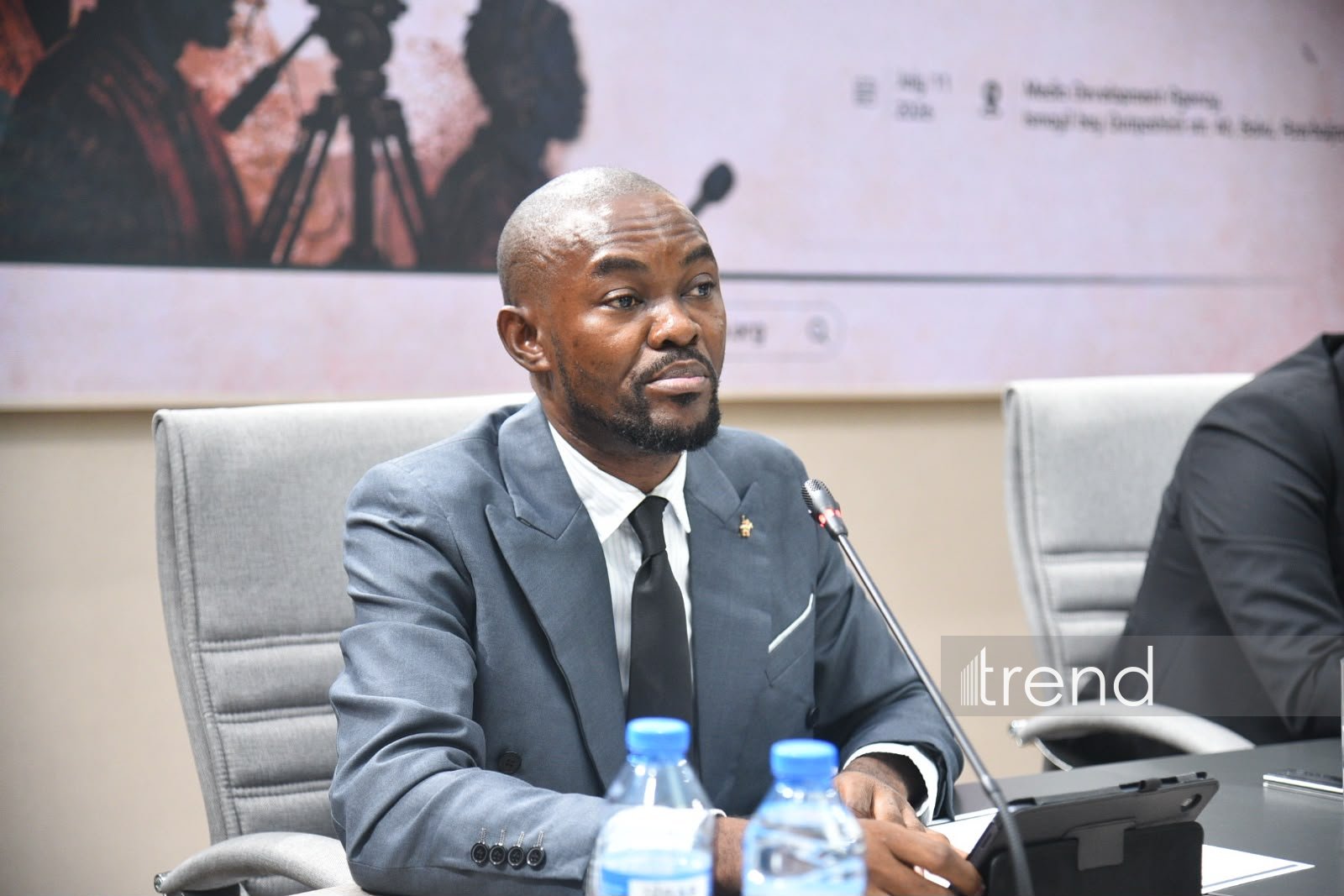
The Voice of Congo emphasizes the significant role that mass media plays in the process of decolonizing consciousness. This perspective suggests that media outlets are not merely passive conduits of information but active agents in shaping how individuals and societies perceive themselves and their history.
The decolonization of consciousness involves dismantling the lingering effects of colonial ideologies and power structures that may persist even after formal independence. Mass media, through its content, narratives, and framing, can either reinforce these colonial legacies or actively challenge them. By promoting local narratives, diverse perspectives, and critical thinking, media can contribute to a more self-determined and independent understanding of the world. Conversely, uncritical adoption of external narratives or the perpetuation of stereotypes can hinder this decolonization process.
The assertion that mass media is crucial for decolonizing consciousness highlights the power of narrative in shaping societal perceptions and identities. This perspective implies that media platforms can either perpetuate existing power imbalances inherited from colonial eras or serve as catalysts for intellectual and cultural liberation. Examining the content and ownership structures of media organizations becomes essential in understanding their potential to either reinforce or dismantle colonial mental frameworks. Future considerations should focus on fostering media ecosystems that prioritize diverse, locally-driven narratives and critical engagement, thereby empowering individuals and communities to construct their own understanding of the world, free from external hegemonic influences.
AI-generated to prompt reflection — not editorial opinion, not advice, not a statement of fact. How this works.