Mediators Push for Ceasefire as US-Iran Tensions Escalate
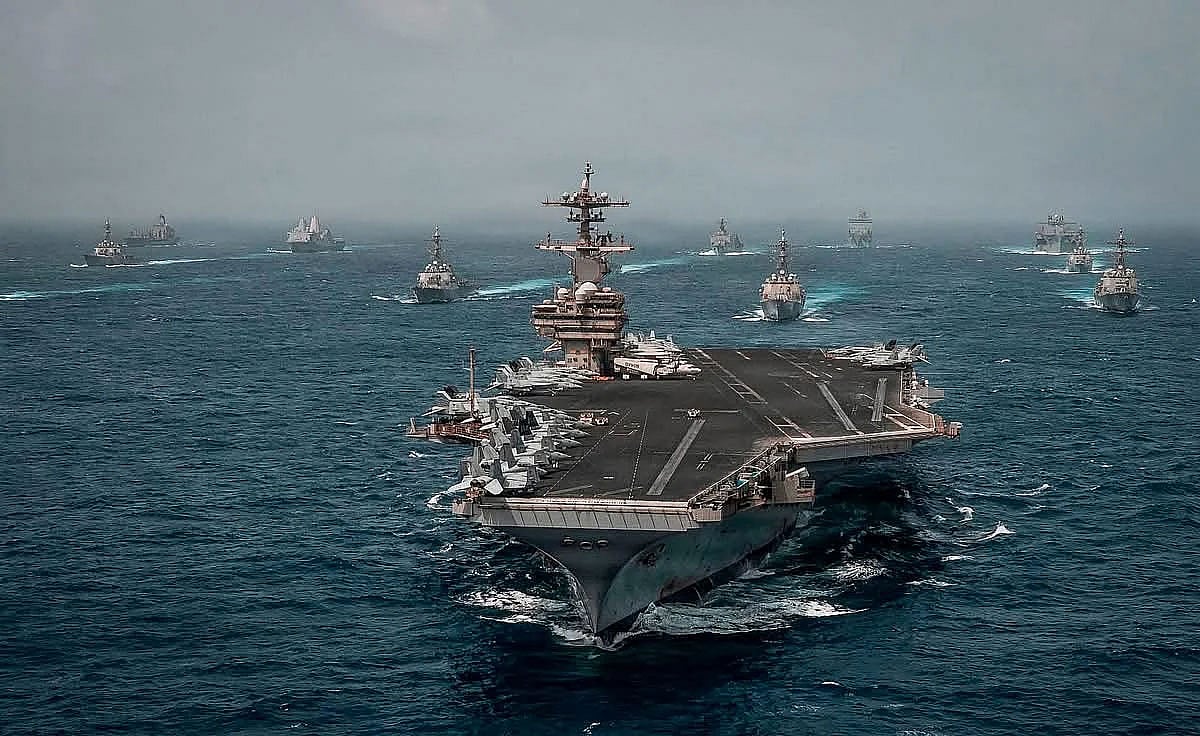
Mediators are engaged in intensive diplomatic efforts to secure a ceasefire between the United States and Iran, aiming to halt a cycle of increasingly deadly retaliatory attacks and prevent the conflict from escalating into a wider regional war. Iran's Foreign Ministry spokesperson, Ismail Baghaei, confirmed on Monday that mediators are actively working to de-escalate the situation, though he provided no further details. Regional intermediaries, including Qatar, Egypt, and Pakistan, have reportedly proposed a 10-day halt in fighting to both nations, alongside efforts to revive an interim understanding reached last month. A key element of the proposal includes reopening commercial shipping through the Strait of Hormuz, which has become a major point of contention due to reciprocal military actions. Despite these diplomatic initiatives, the reality on the ground suggests both the US and Iran are moving towards further escalation. Recent attacks have expanded beyond military targets to include civilian infrastructure, and both sides have hardened their public stances. The US has conducted deeper bombing raids into Iran, with President Donald Trump vowing consequences for any American casualties, while Iran has intensified attacks on regional targets and shipping. This heightened tension follows a month of deteriorating US-Iran relations and comes after a previous agreement that extended an April ceasefire and outlined a framework for peace talks. The current conflict began on February 28th with attacks on Iran by Israel and the United States, leading to mutual accusations of violating the agreement. The central question is whether mediators can persuade either party to back down before the military situation completely overshadows diplomatic efforts. The latest proposal is based on discussions held in Muscat, Oman, between Oman, Iran, and Qatar on July 11th, which ultimately collapsed. The proposal focuses on fully reopening both maritime routes through the Strait of Hormuz, one currently blocked by the US Navy and the other targeted by Iranian attacks on various vessels. Under the proposal, all military operations would be suspended for 10 days to allow mediators sufficient time to negotiate and preserve the interim understanding.
The ongoing cycle of retaliatory strikes between the United States and Iran, particularly concerning the Strait of Hormuz, highlights a persistent challenge in de-escalating geopolitical tensions. While diplomatic proposals for a temporary ceasefire and reopening vital shipping lanes are being advanced, the simultaneous escalation of military actions and targeting of civilian infrastructure suggests a complex interplay of strategic signaling and domestic political pressures. The ambiguity inherent in past agreements, as noted by experts, has proven to be a vulnerability, allowing for divergent interpretations and fueling mutual accusations. Future de-escalation efforts will likely require more precise commitments and a clear framework to prevent a recurrence of disputes. The risk of a 'trap of escalation,' where governments are compelled into further retribution, is amplified by recent casualties and the strategic importance of the Strait of Hormuz to Iran. The current dynamic suggests a precarious balance, with potential for continued tit-for-tat exchanges in the immediate future, underscoring the difficulty of transitioning from military posturing to sustained diplomatic resolution.
AI-generated to prompt reflection — not editorial opinion, not advice, not a statement of fact. How this works.