Medical Student, Formerly Incarcerated, Awaits University Transfer for Eight Months
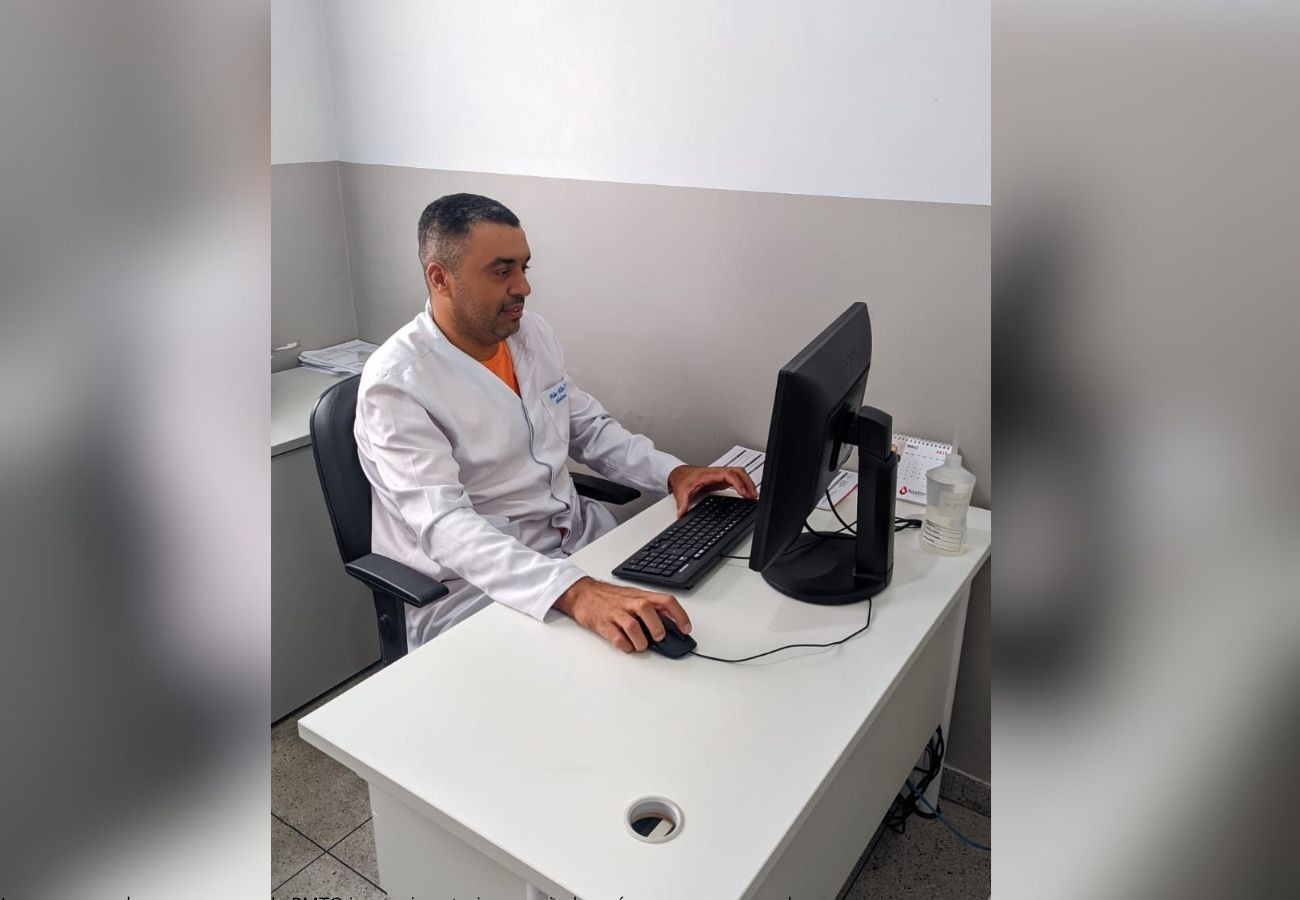
Wallace William da Costa, a 47-year-old medical student, has been waiting for eight months for his university transfer request to be processed. He is currently studying at the Federal University of Northern Tocantins (UFNT) and wishes to transfer to the Federal University of Juiz de Fora (UFJF) in Minas Gerais to be closer to his family. Costa has completed the 8th period of his medical studies and is preparing for his internship. He submitted his transfer request in November 2025, but it reportedly only reached UFJF in April 2026, with the destination university confirming receipt on June 30, 2026. The process is still pending a decision from the medical program at UFJF. The distance of two thousand kilometers between Tocantins and Minas Gerais has limited his family contact to university holidays. Costa, who served six years for drug trafficking after being arrested at 18 in 1997, believes the delay in his transfer process may stem from prejudice. He recounted that his application remained stalled for over 70 days at UFNT before being initiated after his personal intervention. While incarcerated, Costa decided to pursue education, starting with nursing during his conditional release and later enrolling in medical school. He has also passed public service exams, including one for a medical position in Minas Gerais in 2025, which he aims to assume after completing his degree.
The protracted administrative process for Wallace William da Costa's university transfer highlights potential systemic inefficiencies within federal educational institutions. While the student cites personal prejudice due to his past incarceration, the eight-month delay, involving inter-university communication lags, suggests a need for standardized, expedited protocols for transfer applications. This situation raises questions about institutional responsiveness and the potential for bureaucratic hurdles to impede educational mobility, particularly for individuals seeking to reintegrate and advance their careers. Future policy considerations could focus on digitalizing and streamlining inter-institutional administrative workflows to ensure equitable access and timely progression for all students, irrespective of their background.
AI-generated to prompt reflection — not editorial opinion, not advice, not a statement of fact. How this works.